
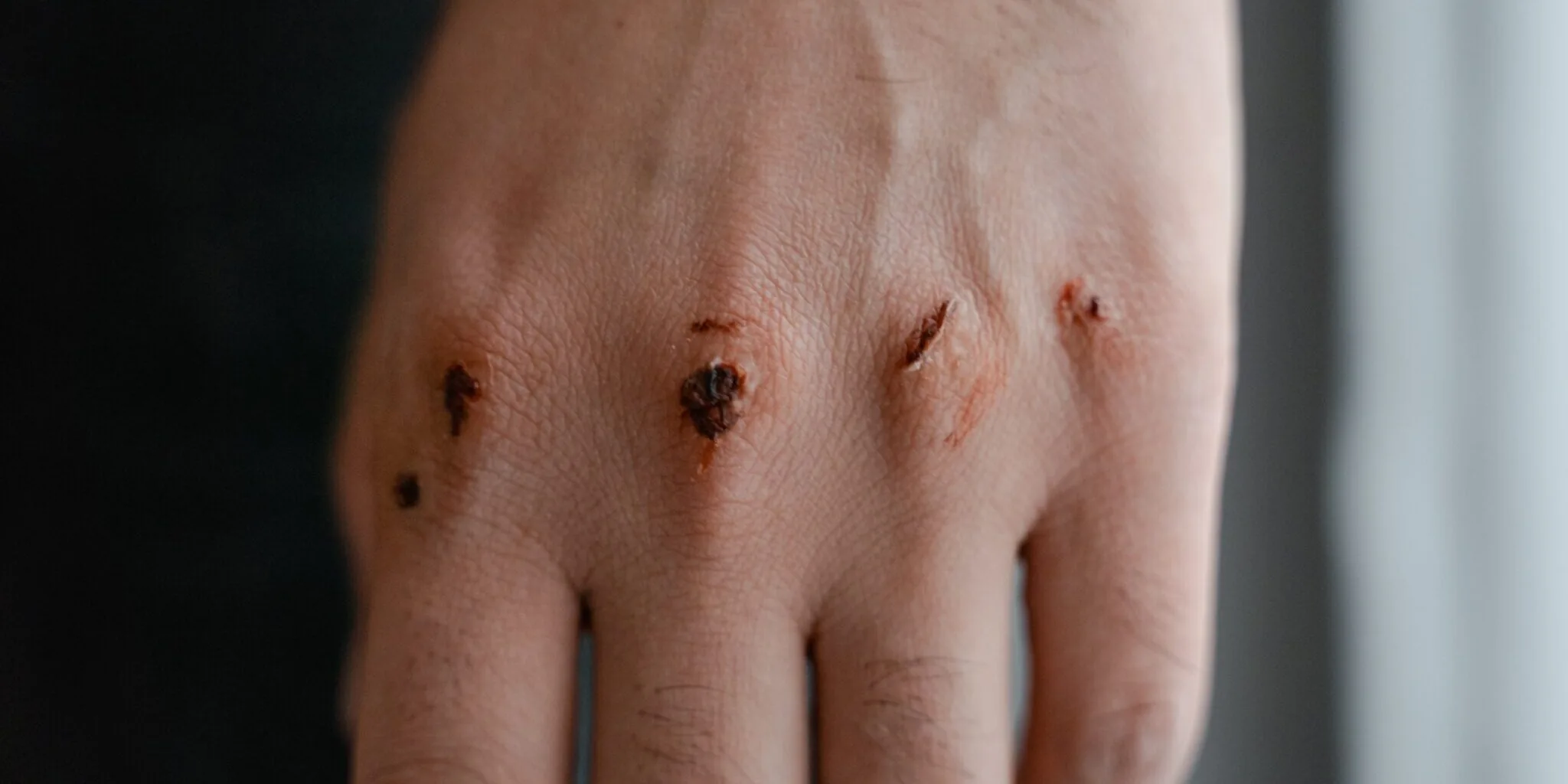

Our hands are incredibly useful – from buttoning a shirt to typing an email – but this constant use also makes them vulnerable to injury. Cuts, fractures, sprains, burns, and crush injuries can happen instantly during everyday activities. B…
Introduction
Our hands are incredibly useful – from buttoning a shirt to typing an email – but this constant use also makes them vulnerable to injury. Cuts, fractures, sprains, burns, and crush injuries can happen instantly during everyday activities. Because the hand has many small bones, joints, nerves, and tendons packed closely together, even a seemingly minor accident can cause pain, swelling, or lasting impairment. Prompt and proper first-aid can greatly reduce complications, while knowing the warning signs of a serious injury ensures timely medical care. This comprehensive guide, written by Dr. Amit Agarwal, walks you through how to respond immediately to a hand injury, when to seek professional treatment, and how to recover strength and function after an injury. Clear, step-by-step advice will help prepare anyone – from parents to workers – to keep hands safe and heal faster if an accident occurs.
Types and Symptoms of Hand Injuries
Hand injuries come in many forms. Recognizing the type of injury helps you respond correctly. Common hand injuries include:
- Cuts and lacerations: These range from shallow scrapes to deep, bleeding cuts that may penetrate muscle or tendon. You’ll notice bleeding, pain, and sometimes an inability to move a finger fully if a tendon or joint is affected. Lacerations may have ragged edges or a clean slice. If you see fat or muscle tissue, or even bone, the cut is serious.
- Fractures and dislocations: A fracture means a broken bone in a finger, hand, or wrist. Symptoms include severe pain, swelling, bruising, and often a visible deformity (e.g. a finger bent at an odd angle or a bump where the bone is broken). A dislocation is a joint forced out of place. If you can’t straighten or bend a finger and it looks misaligned, a bone is likely dislocated. Both cause intense pain – for example, a person might be unable to close a fist or grip anything. The finger or hand may swell rapidly and turn purple/blue. In a very bad fracture, the bone might even pierce the skin (an open fracture), which requires immediate emergency care.
- Sprains and strains: These occur when ligaments (sprains) or tendons/muscles (strains) around a hand or wrist joint are overstretched or torn, usually by a sudden twist or impact. You may feel a pop at the time of injury; afterward, the area is painful, swollen, and bruised. Movement is painful or limited, but joints remain intact (unlike in a break). For example, jamming your finger or falling onto an outstretched hand can sprain a finger joint or the wrist. Sprains often cause less dramatic symptoms than fractures, but still need care to avoid chronic instability.
- Burns: The hand is especially prone to burns since we touch so many surfaces. Thermal burns (from hot water, steam, fire, or hot objects like a stove or iron) will make the skin red, painful, and possibly cause blisters. A bad burn may appear white, brown, or charred, and might not hurt in the center if the nerve endings are destroyed. Chemical burns (from strong acids or alkalis) can also occur if spill occurs on a hand. Electrical burns happen if the hand touches a live wire or equipment. In any burns, the skin on fingers or palms may blister, peel, or ooze fluids. Even minor burns on the hands require careful first aid.
- Crush injuries or amputations: If something heavy (like machinery or a door) squashes the hand, or an accident results in a finger being partially or completely severed, it is a severe emergency. A crush injury can cause massive swelling, deep tissue damage, and break multiple bones at once. A partial or full amputation of a finger or hand will be obvious – you may see bleeding and the detached part. These cases need immediate professional intervention.
- Puncture wounds: Stepping on a nail or being bitten by an animal can cause a small, deep hole. Punctures may not bleed much initially, but they can introduce bacteria deep into the hand. You might notice later that the area becomes red, swollen, and painful. Even if a puncture looks minor (e.g. a small nail prick), it deserves attention because the depth can hide serious infection.
- Infections: Any hand injury – even a small cut or splinter – can become infected if not cleaned properly. Signs of infection include increasing warmth, redness, swelling, or pus around the wound. The hand may even develop red streaks crawling up the arm. The person may feel throbbing pain, and if the infection spreads, fever and feeling generally unwell can occur. Hand infections are dangerous because they can quickly spread to deeper tissues and joints.
- Other injuries: This includes things like contusions (bruises) from direct impact, nail bed injuries (if a nail is partially torn or broken), and ligament tears (other than sprains). For example, “jammed” fingers or teeth biting the hand are common minor injuries. Even repetitive overuse (from typing or manual work) can cause pain and swelling known as tendonitis. These injuries often cause localized pain and movement difficulty that come on gradually.
Warning Signs: Certain symptoms indicate a severe hand injury requiring immediate medical attention. If you see any of the following after an accident, don’t hesitate – go straight to an emergency department:
- Severe pain, deformity, or bone protrusion: If a finger or hand looks twisted, out of place, or a bone is visible through the skin, it’s an emergency. Likewise, if the pain is so bad that the person can’t tolerate moving the hand or makes a pained expression with even small motion, get help.
- Uncontrolled bleeding: If bleeding doesn’t stop after 10–15 minutes of direct pressure, or blood is spouting out (an arterial bleed), this is life-threatening and needs emergency care.
- Numbness or loss of movement: If any part of the hand or fingers goes permanently numb or pale, or if the person cannot move certain fingers at all (especially after swelling starts), this suggests nerve or blood vessel damage. Seek medical care immediately.
- Crush injury or partial amputation: These are always emergencies. If a finger or part of the hand has been severely crushed or torn off, call emergency services or go to a hospital immediately. (If a finger was severed, try to preserve it by wrapping it in a clean, moistened cloth and taking it with you, in case surgical reattachment is possible.)
- Burns involving the whole hand or palm, or any deep burn: A burn covering a large portion of the hand, or any burn that turns skin white/black or forms large blisters, requires prompt medical treatment. Also, if the person cannot bend their fingers after a burn, see a doctor.
- Signs of infection within a day or two: If the injured area (cut, puncture, etc.) becomes redder, warmer, more swollen, or starts oozing yellow/green fluid, or if the person develops a fever, get medical help. Early antibiotic treatment can prevent spreading infection.
- Crippling stiffness or instability: If the hand or fingers are very stiff, unresponsive, or if joints feel loose when handled, a specialist should assess it.
- Suspected tendon or nerve injury: For example, if a cut has left a finger limp (like a finger cannot be lifted or straightened), this suggests tendon damage and needs repair by a hand surgeon. Similarly, unusual tingling or loss of sensation merits professional care.
- Electric shock or chemical exposure: Even if skin damage seems minor, these injuries can have hidden complications (internal burns or electrolyte disturbances). Always seek medical evaluation after an electrical or chemical burn.
If any of the above warning signs are present, act quickly: calm the person, apply appropriate first aid (stopping bleeding, immobilizing, etc.), and get to an ER. The quicker a specialist treats a serious hand injury, the better the chances of full recovery.
Immediate First-Aid Steps
When a hand injury happens, prompt and correct first aid can greatly improve the outcome. Follow these steps in order before professional help arrives:
- Ensure Safety and Stay Calm: First, make sure the environment is safe. For example, if an injury was caused by machinery, turn it off. If clothing or hair catches fire, use stop, drop, and roll or smother flames with a coat or blanket. Remove the person from the hazardous situation (burning substance, electrical source, etc.) immediately. Then stay calm ; speak reassuringly to the injured person and have them sit or lie down. Check for any danger to yourself or them, and make sure both of you are out of harm’s way. Check for shock: Look for early signs of shock (pale, clammy skin; rapid shallow breathing; feeling weak, dizzy, or nauseous). While shock can happen with any severe injury, it is more likely if the person is faint or vomiting. If you observe these, tuck the person in with a blanket (on the uncovered body parts) and gently elevate their legs if no spinal injury is suspected. Call emergency services immediately if you suspect shock.
- Stop the Bleeding: If the hand is bleeding, controlling hemorrhage is critical. Have the person hold their hand elevated above heart level (for example, resting it on a pillow). Apply firm pressure: Take a clean cloth, gauze, or even a folded hand towel and press directly on the wound. Maintain constant pressure for several minutes. The Mayo Clinic advises using pressure without removing the cloth until the bleeding subsides . If blood soaks through, do not remove the first cloth—add more layers of clean cloth on top and continue pressing. Use a bandage or glove: If available, slip on a clean rubber glove or wrap a bandage firmly around the cloth and hand to hold pressure while you maintain it, as performing manual pressure is easier that way (but do not loose the initial pressure). Elevate and rest: Keep the injured hand raised and still. Elevation and immobility help slow bleeding. Tourniquet (only if necessary): If you cannot control heavy bleeding with pressure and it is life-threatening (e.g. arterial bleed with bright red spurts), a tourniquet above the injury can be a lifesaver. Improvised tourniquets (like a strip of cloth or belt tightened around the wrist or arm above the injury) can stop bleeding. Only use this extreme measure if you know the proper technique and medical help is minutes away, as it can cause tissue damage if left on too long . Watch the person: Monitor for signs of extreme blood loss or shock. Be prepared to call emergency services (108 or 102 in India, or 112) if the bleeding doesn’t slow within 10–15 minutes of pressure.
- Clean and Dress the Wound: Once bleeding is under control and the situation is stable, attend to the wound to minimize infection: Rinse gently: If there is debris (dirt, glass, metal) in a cut, rinse the wound under cool, running water. Remove any visible debris with clean hands or tweezers sterilized with alcohol. For scrapes or shallow cuts, a gentle rinse is usually enough. Avoid strong antiseptics (like hydrogen peroxide or alcohol) directly in the wound, as these can irritate tissue. Instead, clean around the wound with mild soap and water, but keep soap out of the wound itself. Dry and protect: Pat the area dry with a sterile gauze or clean cloth. Cover the wound immediately, to block germs. Use a sterile gauze pad or bandage — do not wrap tight, but make sure the wound is covered. If you have antiseptic ointment (like povidone-iodine) and the wound is minor, you may apply a thin layer before bandaging. For deeper cuts requiring stitches, simply place sterile gauze over it and see a doctor promptly; the physician will clean and close it professionally. Blisters and burns: If the hand injury is a burn, cool the burn area under cool (not icy) running water for about 10 minutes to reduce pain and swelling. Then cover with a clean, dry dressing. Never burst skin blisters — they contain fluid that protects the underlying skin. If a blister breaks, treat it like an open wound: clean gently and bandage it. Minor burns (like a small hot water scald on a finger) can be treated this way at home, but see a doctor if the burn is large, deep, or on the palm/fingers. Do not apply irritants: Under no circumstances put butter, toothpaste, oils, or home remedies on a fresh wound or burn. These can trap heat or introduce infection . Only clean water and sterile dressings should touch the wound initially.
- Immobilize Suspected Fractures or Sprains: If you suspect a broken bone or dislocated joint in the hand or fingers (the person felt a pop, there is a clear deformity, or they cannot move it), you must immobilize the area to prevent further injury: Buddy-taping fingers: For a misaligned or painful finger (e.g. one that might be broken), tape it gently to an adjacent, uninjured finger using soft padding between them (cotton or gauze). This provides support and limits motion. Always place padding between fingers before taping to protect the skin. Keep the tape snug but not cutting off circulation. After taping, check the color and warmth of the fingertips beyond the injury; if they go pale or numb, loosen the tape. Splints for wrist or multiple broken bones: If you suspect a wrist fracture or several bones are injured, create a temporary splint. You can use a thin board, a tightly rolled magazine, or a piece of cardboard along the inner side of the forearm and hand, securing it with cloth or bandages. The hand should be straight and the splint should immobilize the wrist and fingers. Do not try to “reset” a dislocated or broken bone — leave that to medical professionals. Just splint it as is. Check circulation: After any splinting or taping, again check that blood is still flowing to the fingers (the fingertips should not be cold, blotchy, or blue). Loosen any wrap if circulation is compromised. Proper immobilization can greatly reduce pain and prevent complications until the person can see a doctor. Dislocations: If a finger or joint is dislocated (out of place) and you suspect it, do not attempt to pop it back yourself—this should only be done by a medical professional with proper training. Treat it like a fracture (immobilize, ice, and get to a hospital).
- Ice, Elevate, and Reduce Swelling: For sprains, bruises, or after bleeding is controlled, try to minimize swelling and pain: R.I.C.E. method: Use the standard R.I.C.E. approach (Rest, Ice, Compression, Elevation). Rest the hand and avoid using it. Apply an ice pack or a bag of frozen vegetables wrapped in a towel to the injured area for 15–20 minutes. Repeat this every 1–2 hours as needed. Cold therapy reduces swelling and numbs pain. Never place ice directly on the skin. Compression: If there is swelling but no open wound, you can wrap the hand lightly with an elastic bandage (like an ACE wrap) to control swelling. The wrap should be firm but not so tight that it cuts off circulation. If any tingling or numbness occurs, loosen it immediately. Elevation: Keep the injured hand elevated above the level of the heart as much as possible (for example, resting on pillows while sitting or lying down). Elevation helps drain fluid away and reduces throbbing pain. Elevation is especially important in the first 24–48 hours after injury. Avoid heat and massage: Do not apply heat, hot packs, or perform vigorous massage on the injured hand during the first couple of days — heat and rubbing can increase inflammation and swelling at this stage. Ice and rest are best initially. Once swelling has gone down (typically after 48–72 hours), gentle heat or warm soaks can help stiffness.
- Remove Jewelry and Manage Pain: Rings, bracelets, or watches on the injured hand should be removed immediately before the hand swells. If a ring is tight and cannot be easily removed, get someone to help slide it off. If swelling is too advanced, the ring may need to be cut off. Any constricting item that stays put could turn a minor injury into a serious circulation problem. Pain relief: Give over-the-counter painkillers as appropriate. Paracetamol (acetaminophen) or ibuprofen can be used to relieve pain and reduce inflammation. Follow dosage instructions (for children, use the pediatric dose; children under 16 should never take aspirin). Pain medication not only eases discomfort but also helps the person avoid tensing up muscles around the injury. Keep them as comfortable as possible. If pain is not managed by these measures, a medical facility can provide stronger analgesics. Observe for shock or distress: Keep talking to the injured person and watching for any signs of shock or worsening condition. If the person becomes confused, vomits, has trouble breathing, or their condition deteriorates, call emergency services right away. In the meantime, keep the person lying still on their back, cover them with a blanket (to prevent chills from shock), and do not allow them to eat or drink in case they need surgery.
- Check for shock: Look for early signs of shock (pale, clammy skin; rapid shallow breathing; feeling weak, dizzy, or nauseous). While shock can happen with any severe injury, it is more likely if the person is faint or vomiting. If you observe these, tuck the person in with a blanket (on the uncovered body parts) and gently elevate their legs if no spinal injury is suspected. Call emergency services immediately if you suspect shock.
- Apply firm pressure: Take a clean cloth, gauze, or even a folded hand towel and press directly on the wound. Maintain constant pressure for several minutes. The Mayo Clinic advises using pressure without removing the cloth until the bleeding subsides . If blood soaks through, do not remove the first cloth—add more layers of clean cloth on top and continue pressing.
- Use a bandage or glove: If available, slip on a clean rubber glove or wrap a bandage firmly around the cloth and hand to hold pressure while you maintain it, as performing manual pressure is easier that way (but do not loose the initial pressure).
- Elevate and rest: Keep the injured hand raised and still. Elevation and immobility help slow bleeding.
- Tourniquet (only if necessary): If you cannot control heavy bleeding with pressure and it is life-threatening (e.g. arterial bleed with bright red spurts), a tourniquet above the injury can be a lifesaver. Improvised tourniquets (like a strip of cloth or belt tightened around the wrist or arm above the injury) can stop bleeding. Only use this extreme measure if you know the proper technique and medical help is minutes away, as it can cause tissue damage if left on too long .
- Watch the person: Monitor for signs of extreme blood loss or shock. Be prepared to call emergency services (108 or 102 in India, or 112) if the bleeding doesn’t slow within 10–15 minutes of pressure.
- Rinse gently: If there is debris (dirt, glass, metal) in a cut, rinse the wound under cool, running water. Remove any visible debris with clean hands or tweezers sterilized with alcohol. For scrapes or shallow cuts, a gentle rinse is usually enough. Avoid strong antiseptics (like hydrogen peroxide or alcohol) directly in the wound, as these can irritate tissue. Instead, clean around the wound with mild soap and water, but keep soap out of the wound itself.
- Dry and protect: Pat the area dry with a sterile gauze or clean cloth. Cover the wound immediately, to block germs. Use a sterile gauze pad or bandage — do not wrap tight, but make sure the wound is covered. If you have antiseptic ointment (like povidone-iodine) and the wound is minor, you may apply a thin layer before bandaging. For deeper cuts requiring stitches, simply place sterile gauze over it and see a doctor promptly; the physician will clean and close it professionally.
- Blisters and burns: If the hand injury is a burn, cool the burn area under cool (not icy) running water for about 10 minutes to reduce pain and swelling. Then cover with a clean, dry dressing. Never burst skin blisters — they contain fluid that protects the underlying skin. If a blister breaks, treat it like an open wound: clean gently and bandage it. Minor burns (like a small hot water scald on a finger) can be treated this way at home, but see a doctor if the burn is large, deep, or on the palm/fingers.
- Do not apply irritants: Under no circumstances put butter, toothpaste, oils, or home remedies on a fresh wound or burn. These can trap heat or introduce infection . Only clean water and sterile dressings should touch the wound initially.
- Buddy-taping fingers: For a misaligned or painful finger (e.g. one that might be broken), tape it gently to an adjacent, uninjured finger using soft padding between them (cotton or gauze). This provides support and limits motion. Always place padding between fingers before taping to protect the skin. Keep the tape snug but not cutting off circulation. After taping, check the color and warmth of the fingertips beyond the injury; if they go pale or numb, loosen the tape.
- Splints for wrist or multiple broken bones: If you suspect a wrist fracture or several bones are injured, create a temporary splint. You can use a thin board, a tightly rolled magazine, or a piece of cardboard along the inner side of the forearm and hand, securing it with cloth or bandages. The hand should be straight and the splint should immobilize the wrist and fingers. Do not try to “reset” a dislocated or broken bone — leave that to medical professionals. Just splint it as is.
- Check circulation: After any splinting or taping, again check that blood is still flowing to the fingers (the fingertips should not be cold, blotchy, or blue). Loosen any wrap if circulation is compromised. Proper immobilization can greatly reduce pain and prevent complications until the person can see a doctor.
- Dislocations: If a finger or joint is dislocated (out of place) and you suspect it, do not attempt to pop it back yourself—this should only be done by a medical professional with proper training. Treat it like a fracture (immobilize, ice, and get to a hospital).
- R.I.C.E. method: Use the standard R.I.C.E. approach (Rest, Ice, Compression, Elevation). Rest the hand and avoid using it. Apply an ice pack or a bag of frozen vegetables wrapped in a towel to the injured area for 15–20 minutes. Repeat this every 1–2 hours as needed. Cold therapy reduces swelling and numbs pain. Never place ice directly on the skin.
- Compression: If there is swelling but no open wound, you can wrap the hand lightly with an elastic bandage (like an ACE wrap) to control swelling. The wrap should be firm but not so tight that it cuts off circulation. If any tingling or numbness occurs, loosen it immediately.
- Elevation: Keep the injured hand elevated above the level of the heart as much as possible (for example, resting on pillows while sitting or lying down). Elevation helps drain fluid away and reduces throbbing pain. Elevation is especially important in the first 24–48 hours after injury.
- Avoid heat and massage: Do not apply heat, hot packs, or perform vigorous massage on the injured hand during the first couple of days — heat and rubbing can increase inflammation and swelling at this stage. Ice and rest are best initially. Once swelling has gone down (typically after 48–72 hours), gentle heat or warm soaks can help stiffness.
- Pain relief: Give over-the-counter painkillers as appropriate. Paracetamol (acetaminophen) or ibuprofen can be used to relieve pain and reduce inflammation. Follow dosage instructions (for children, use the pediatric dose; children under 16 should never take aspirin). Pain medication not only eases discomfort but also helps the person avoid tensing up muscles around the injury. Keep them as comfortable as possible. If pain is not managed by these measures, a medical facility can provide stronger analgesics.
- Observe for shock or distress: Keep talking to the injured person and watching for any signs of shock or worsening condition. If the person becomes confused, vomits, has trouble breathing, or their condition deteriorates, call emergency services right away. In the meantime, keep the person lying still on their back, cover them with a blanket (to prevent chills from shock), and do not allow them to eat or drink in case they need surgery.
Summary of First Aid: These urgent steps (securing the scene, stopping bleeding, cleaning wounds, immobilizing fractures, and controlling swelling/pain) can often turn a disaster into a manageable situation. They minimize damage to tissue, reduce the risk of infection, and make the injured hand more likely to heal well. Keep a first-aid kit handy with sterile gauze, bandages, and pre-measured analgesics. But remember: these are immediate measures. They are not a substitute for professional care if the injury is serious. Always be prepared to escalate to medical help based on the next section.
When to Seek Professional Care
Certain hand injuries always need prompt evaluation by a doctor, even if you have applied first aid. Do not hesitate to go to an emergency room or urgent care clinic (or call an ambulance) if any of the following apply:
- Uncontrolled or heavy bleeding: If bleeding doesn’t stop after sustained pressure (about 15 minutes) and elevation, or if blood is spurting out, get emergency help. This could indicate arterial damage.
- Possible fracture or dislocation: If the finger or hand is clearly deformed, bone is visible, joints hum at odd angles, or if you cannot straighten the finger after 24 hours, see a doctor. Did the person feel a snap or grinding? These are signs a bone may be broken or a joint dislocated. Even if you have immobilized it, a professional needs to set the bone properly.
- Numbness or lack of blood flow: If any finger becomes completely numb, bluish, or cold, or if capillary refill is delayed (the fingertip stays white when pressed and released), immediate medical attention is needed. These are signs that blood flow may be compromised. A surgeon or emergency team may need to relieve pressure or repair blood vessels.
- Deep wound or tendon injury: Any laceration that goes deep into the hand, especially if it extends between the fingers or near a joint, should be evaluated. If the injury prevents normal movement (e.g. you can’t bend or straighten a finger), suspect a severed tendon. Tendon injuries often require surgical repair within the first day or two to restore function. Cuts on the palm or base of fingers often involve underlying structures that need stitches under sterile conditions.
- Animal or human bites: Bites carry a high risk of infection. The hand has many tiny compartments where bacteria can quickly fester. Any bite wound to the hand should be seen by a doctor. You may need rabies shots (if animal) or antibiotics to prevent infection. Do not attempt to treat a bite at home.
- Puncture wounds: A deep puncture (like a nail or needle injury) can hide infection. If the object was rusty, very dirty, or if you stepped on it barefoot, get medical care. Often doctors will cleanse the wound thoroughly and may prescribe antibiotics or a tetanus booster.
- Large or deep burns: For burns on the hand larger than about 3 centimeters in diameter, or if the burn involves blisters, broken skin, or multiple skin layers (full-thickness burn), seek emergency care. Hand burns need careful evaluation to prevent contractures. Even smaller burns on the palm of a child or hand joint should be seen by a doctor. If the burn is from chemicals or electricity, always get medical help.
- Signs of infection: Within a day or two after the injury, if you notice increasing redness, warmth, swelling, red streaks, pus, or if the person develops fever/chills, see a doctor immediately. Infections in the hand can spread to deeper tissues (like cellulitis or tenosynovitis). Early antibiotics and wound care by a professional can stop a dangerous infection.
- Crush injuries: If the hand was caught or crushed by a heavy object, even if the skin is unbroken, this is serious. Crush injuries can cause hidden damage to muscles and fluids that might need surgical cleaning. Always get a medical examination after a crush.
- Amputation: If any part of the hand or finger has been severed, call emergency services right away and go to a hospital equipped for microsurgery. Time is critical for possible reattachment.
- Persistent or worsening symptoms: If after 1–2 days of basic care you still have severe pain, or if movement is not improving, medical evaluation is wise. For example, if a sprained finger is still extremely swollen or you are unable to hold objects after a few days, get it checked. Sometimes what seems like a simple sprain or bruise is actually a small fracture or deep infection.
- Other concerns: If the person is diabetic or immunocompromised, or if the injury was at work with particularly dirty materials, err on the side of caution. Contact a healthcare provider for even minor-looking injuries.
When in doubt, see a doctor. It’s better to get a prompt evaluation than to risk long-term damage. Emergency departments and urgent care clinics can X-ray the hand, clear debris, properly repair any cuts, and start treatments (like antibiotics or drainage) if needed.
Expert Treatment: Diagnosis and Medical Care
Once under medical care, a healthcare team will follow a thorough process to diagnose and treat the hand injury:
- Initial Assessment: The doctor (often an emergency physician, orthopedic hand specialist, or plastic surgeon) will examine the hand’s appearance, range of motion, and function. They will ask how the injury happened and check every part of the hand. This includes testing sensation (can the person feel light touch or pinpricks), checking pulses at the wrist to ensure blood flow, and testing tendons by asking the patient to flex and extend each finger against resistance. A very important step is assessing whether nerves or tendons are intact. For example, if a patient can’t bend the fingertip, the doctor knows a flexor tendon might be cut.
- Imaging: X-rays are usually done if a fracture or dislocation is suspected (which is most of the time in severe injuries). X-rays will show broken bones, bone fragments, or dislocated joints that need realignment. Sometimes multiple X-rays from different angles are taken. For very complex injuries, a CT scan might be ordered to get detailed 3D views of small bone fragments. If there is a puncture wound or cut, imaging can also check for any foreign object left in the hand.
- Wound Cleansing and Closure: All open wounds are cleaned under sterile conditions. This may involve numbing the area with local anesthetic (so-called “local blocks”) to make the cleaning painless. The doctor will flush out any debris or dirt in the wound with sterile saline. Once clean, the wound is assessed: small superficial cuts may just be bandaged, but deeper lacerations usually require stitching (sutures). Stitches might be placed in layers to realign muscle and skin. In some cases, if there is severe contamination (like from a bite), the wound may be left open (packed with sterile gauze) and closed in a delayed fashion to prevent infection. Tetanus immunization status will be checked; if it’s been over 5 years since the last tetanus shot, a booster is given for hand wounds.
- Reducing and Immobilizing Fractures: If the hand is fractured or a joint dislocated, the doctor will realign it. Dislocations (e.g. knuckle or wrist) are usually gently popped back into place after numbing medicine. Broken bones (especially fingers) are put into proper position (a process called reduction) and then immobilized. This can be done with a cast, a rigid splint, or a bulky dressing for a finger. For example, many finger fractures are treated by buddy-taping to the adjacent finger for support; more complex breaks require a plaster cast or a custom splint that may cover the hand, wrist, and forearm. In severe cases with multiple fragments, surgery might be needed (see below).
- Surgical Interventions: Some hand injuries require operation. Examples include: open fractures (broken bone protruding through skin), multiple broken bones, severely crushed tissue, deep tendon tears, or amputated parts. An orthopedic or hand surgeon will fix these with procedures like internal fixation (using metal plates, screws, or wires to hold bone pieces together) or tendon repair (surgically stitching torn tendons). For instance, if a tendon in a finger was cut, the surgeon uses tiny sutures under magnification to rejoin the tendon ends. Severed nerves also can be microsurgically repaired to give back feeling and movement. Amputated fingers may sometimes be reattached if done quickly and properly. Skin grafts or flap surgeries might be used for major soft-tissue loss. You may be given anesthesia (often local or regional block; sometimes general anesthesia) for these procedures.
- Medication: In the hospital, pain relief may be upgraded – for example, stronger medication or even intravenous pain control if needed. If there is a high risk of infection (like puncture wounds or known contamination), the doctor will start antibiotics right away. Common ones for hand injuries include broad-spectrum antibiotics that cover staph and strep bacteria. If there is a clear infection or serious cut, an oral or IV antibiotic course is prescribed. Pain relief (like acetaminophen, ibuprofen, or stronger analgesics) is also given for home use.
- Special Care for Burns: If the injury is a burn, treatment follows burn care protocols. After initial cooling, severe burns are often treated by burn specialists. This may involve cleaning away dead skin (debridement), applying specialized dressings or skin grafts, and ensuring the patient’s tetanus is up to date. Deep burns on the hand may also require splinting to avoid finger contractures.
- Follow-Up Plan: Before discharge or conclusion of the ER visit, you’ll be given instructions. This might include: how to care for the wound, signs of infection to watch for, when to remove the bandage or stitches, and activity restrictions. Often a follow-up appointment is scheduled with a hand surgeon or at a wound-care clinic in 1–2 weeks. If a fracture was plastered, you may return for an X-ray to ensure bones are healing correctly. The doctor will explain any limitations on exercise or work. Always adhere carefully to these instructions; for example, do not attempt heavy lifting or strenuous use of the hand until cleared by your doctor.
Expert care by qualified doctors ensures the hand is properly set to heal. Improper or delayed treatment can lead to chronic pain, stiffness, or permanent disability. For example, the British National Health Service notes that untreated finger injuries can result in lasting limitation . Therefore, trusting the specialists and following their guidance is key.
Recovery and Rehabilitation
Healing a hand injury is often a gradual process. Here’s what to expect during the recovery phase and how to optimize healing:
- Healing Times: A minor wound or bruise might heal in days, but deeper injuries take longer. Fractures usually need 6–8 weeks of bone healing while immobilized. Full recovery (restoring muscle strength and joint motion) may take several months. For example, even after a fractured finger is set, it can feel stiff and weak until it’s fully rehabbed (studies suggest it can take 3–4 months to regain pre-injury strength ). Tendon and ligament injuries often heal more slowly; for instance, tendon repairs require protected motion for weeks followed by gradual exercise. Nerve injuries recover at about 1 mm per day, so sensation in a fingertip might take months to return after a cut. Prepare for patience.
- Physical Therapy: As soon as the doctor allows, physical or occupational therapy should begin to prevent stiffness. A therapist will guide you through gentle range-of-motion exercises and hand-strengthening routines. Even in a cast, you might be instructed to move your fingers (if safe) every few hours. Once the cast or splint comes off, therapy braces, putty squeezing, finger lifts, and other exercises will rebuild grip and flexibility. Daily exercises are crucial; missing workouts can cause a finger to stiffen permanently. The therapist might also teach wound massage or scar management techniques later in healing.
- Pain Management: Some discomfort or aching is normal during recovery. Continue using pain relievers as needed (following dosage guidelines). Often doctors recommend continuing anti-inflammatory medication (like ibuprofen) for the first few weeks to control swelling. If large hardware (plates or pins) was placed, some soreness is expected. Use ice and elevation again during rehab if swelling flares up after exercise.
- Protecting the Hand: Even after wounds close, the healing hand should be protected. Wear any braces or splints as directed – for example, the doctor might want you to wear a support when sleeping or using the hand. Use safety precautions: avoid sharp objects, do not return to strenuous activities (like heavy lifting or operating machinery) until cleared. The hand’s skin and nerves may be extra sensitive during healing, so be careful with hot water and rough handling. Keep the healing hand clean and dry (apart from wound care); some dressings should be changed regularly as the doctor or nurse instructs.
- Care and Nutrition: Good nutrition helps healing. Eat a balanced diet rich in protein (meat, eggs, beans) and vitamins (fruits and vegetables) to support tissue repair. Stay well hydrated. If the injury was significant (like a big fracture or surgery), your doctor might recommend extra calcium and vitamin D for bone healing. If you smoke, try to quit – smoking can slow tissue and bone healing considerably. Also, alert your doctor if you have conditions that impair healing (like diabetes); they may give special instructions.
- Monitoring Progress: Call your doctor if anything changes unexpectedly. For example, if swelling worsens, or if you hear a popping sound after a cast is on, or if you see any sign of infection after leaving the hospital (redness, pus, persistent fever), seek medical advice. Keep follow-up appointments; at these visits the doctor may remove stitches, change the cast, or refer you to therapy. X-rays may be repeated to ensure proper healing.
- Long-Term Outlook: With proper care, many hand injuries heal fully. Minor cuts and sprains often leave no permanent damage. Fractures, once healed, generally allow return to normal life – though it may take a couple of months. Some severe injuries (like very bad palm crushes or big burns) can result in some loss of motion or strength. In those cases, therapists have tools like scar tissue mobilization, longer therapy, or even small corrective surgeries to improve outcomes. Stay positive and consistent with rehab exercises.
Examples: A broken finger immobilized in a splint might feel stiff when the splint comes off; simple exercises like making a fist, spreading fingers apart, and gently bending each finger joint can gradually normalize motion. A hand that had stitches might heal in 1–2 weeks, but the person may wear a light bandage for a few more days. A patient with a repaired tendon will progress from passive assisted movement (helping the finger move gently) to active bending over several weeks. The ultimate goal is to restore as much range of motion, sensation, and strength as possible.
Remember that patience and persistence are essential. Thank goodness, with today’s medical advances, even some devastating hand injuries can be treated successfully. Dedicated rehabilitation makes a big difference. If you follow your care plan, you maximize your chances of a complete recovery.
Conclusion
Hand injuries – whether a simple cut or a complex fracture – should be taken seriously. The good news is that most hand injuries heal well if treated promptly and properly. The key steps are to act quickly and correctly in the first moments after injury : protect the person from further harm, stop bleeding, clean the wound, immobilize the area, and manage pain. Then, know when the injury is beyond home care and requires a doctor. By recognizing the warning signs (severe bleeding, deformity, numbness, etc.) you’ll know to seek prompt medical attention, which can prevent permanent damage.
Once under professional care, follow all medical advice and commit to the recovery process. Keep wounds clean, take medications, and do your hand exercises every day. Protect the healing hand from new injury, and give it time. With a careful first-aid response, skilled medical treatment, and diligent rehabilitation, most people regain full use of their hands after injury. In other words, early action and persistent care mean you can avoid long-term consequences and get back to life with functional, strong hands.
Remember : always err on the side of caution . If an injury looks bad, or the person’s condition worsens, it’s far better to have it checked out by professionals. Quick response can save fingers and even lives when it comes to hand trauma. Stay safe and informed – and use your hands wisely!
About the Author
Written and reviewed by Dr. Amit Agarwal, M.Ch. (Plastic Surgery), Kaya Kriti Plastic Surgery & Dental Clinic, Lucknow. Dr. Agarwal is a board-certified plastic and reconstructive surgeon who has extensive experience treating hand injuries, accidents, and burns. He is dedicated to patient education and safe surgical outcomes.
Author:amit agarwal
Post navigation
Have a question about this?
Free first consultation with our FRCS-certified surgical team. No obligation. Totally confidential.
Book a consultation