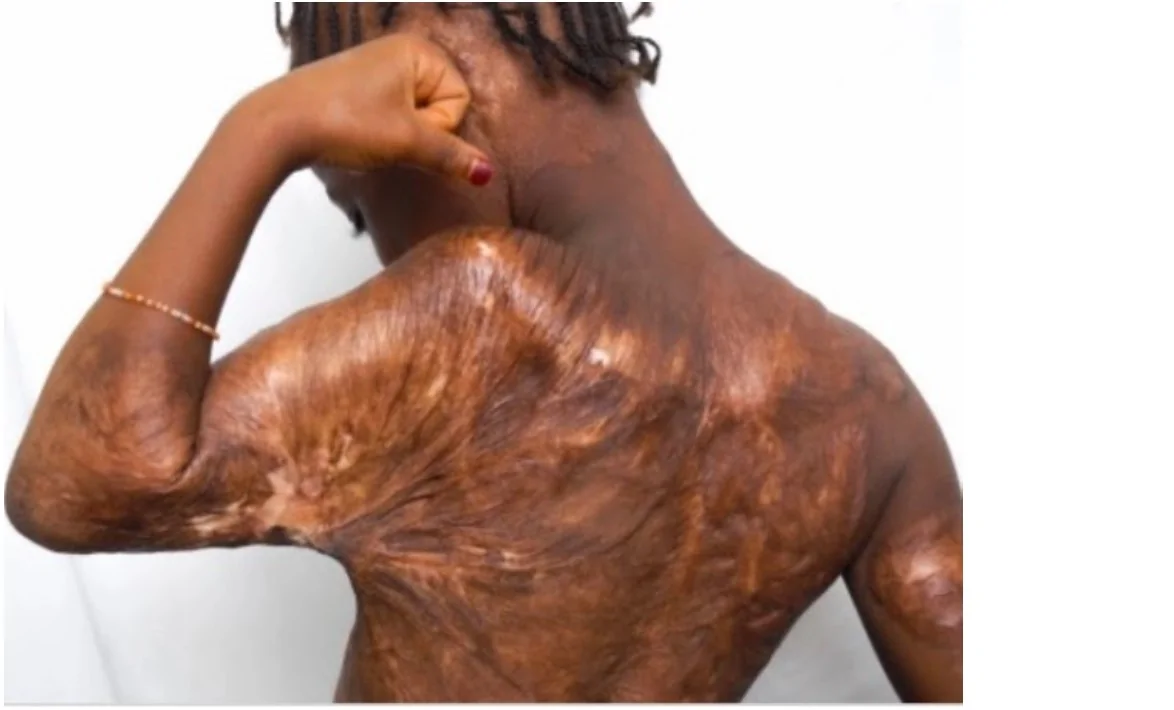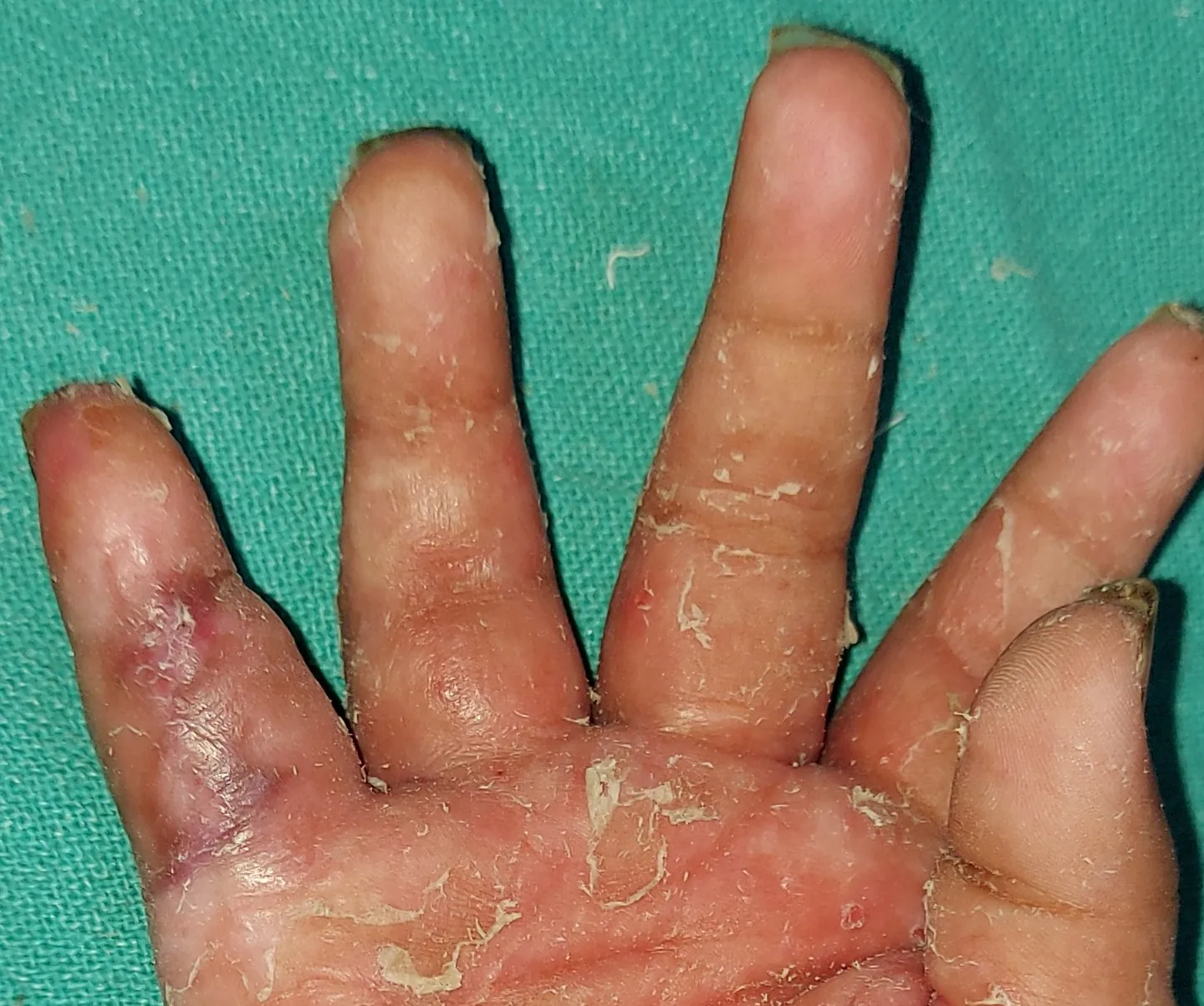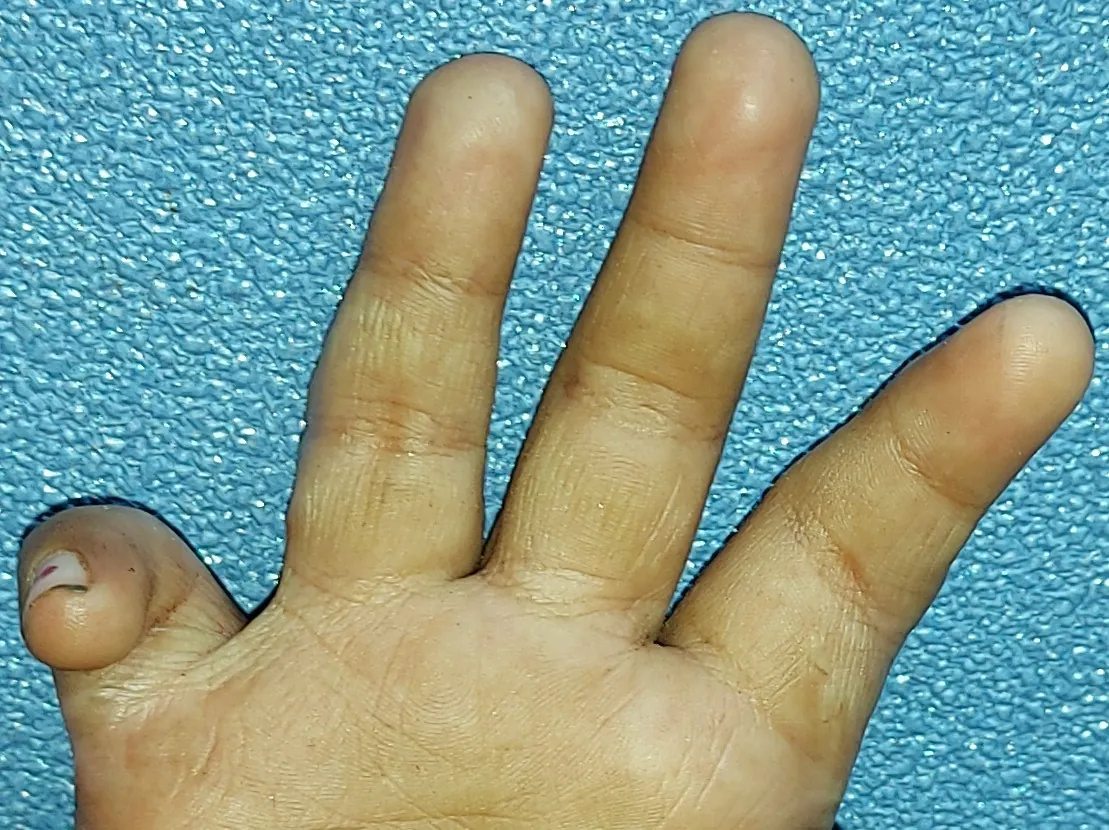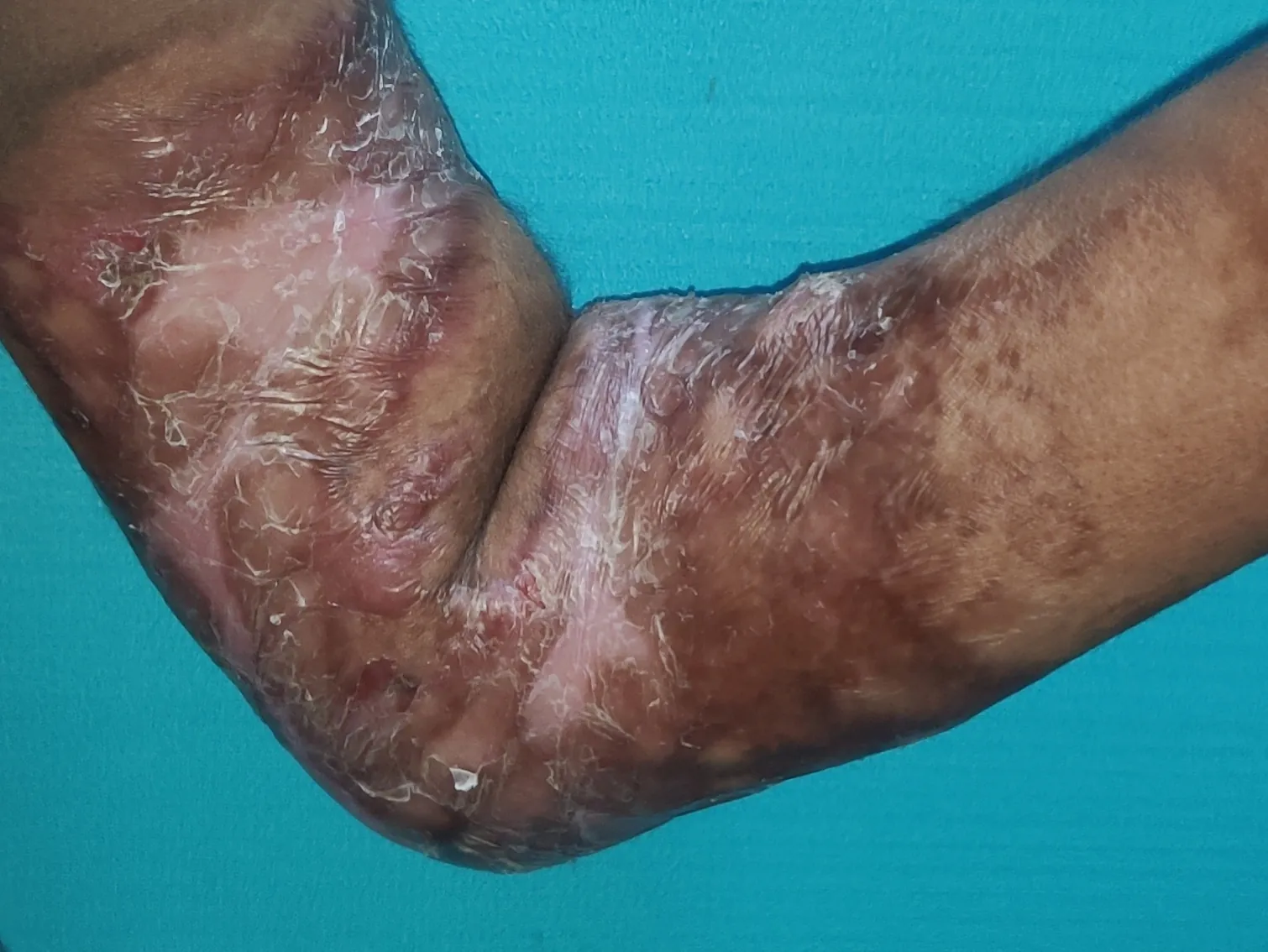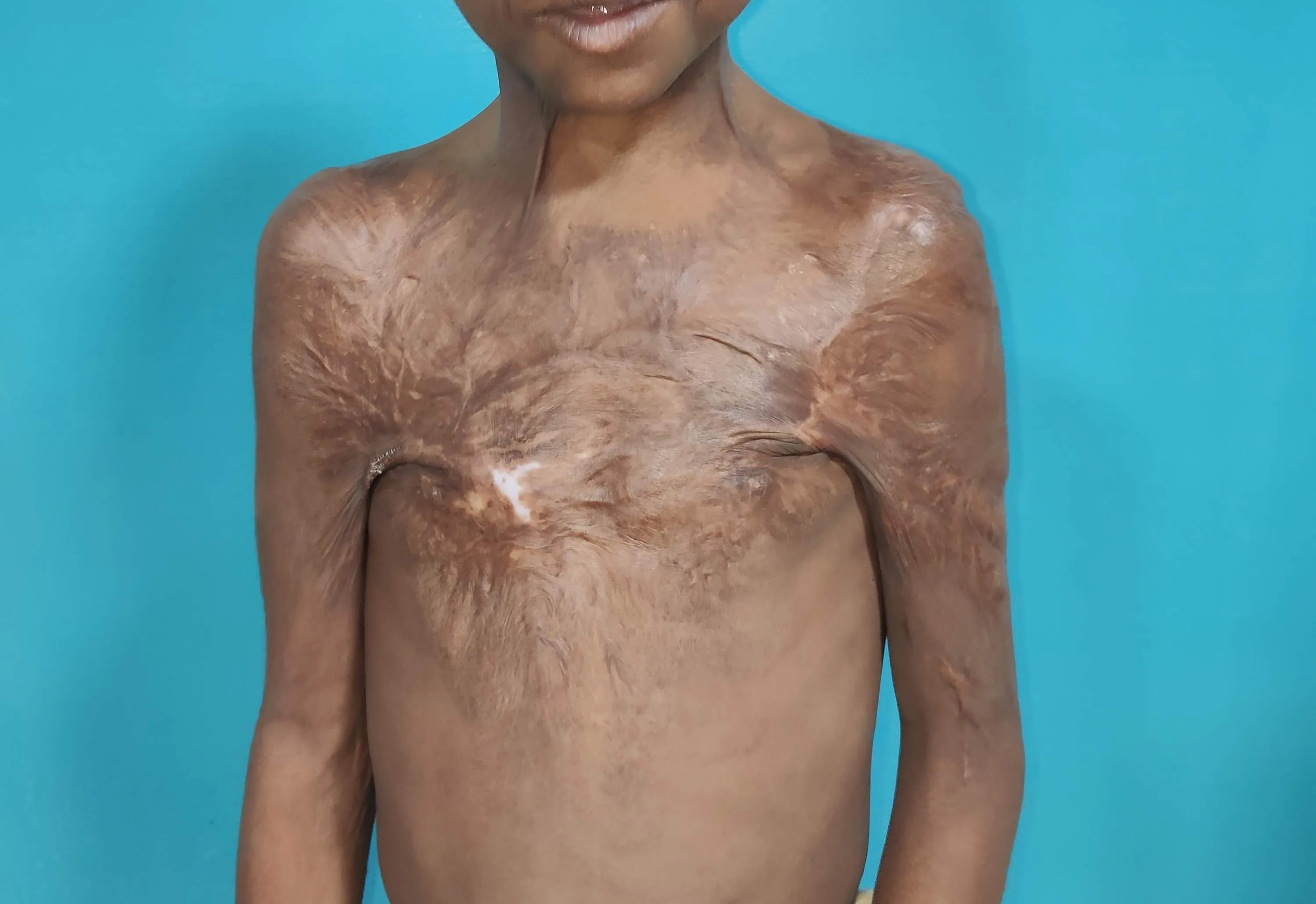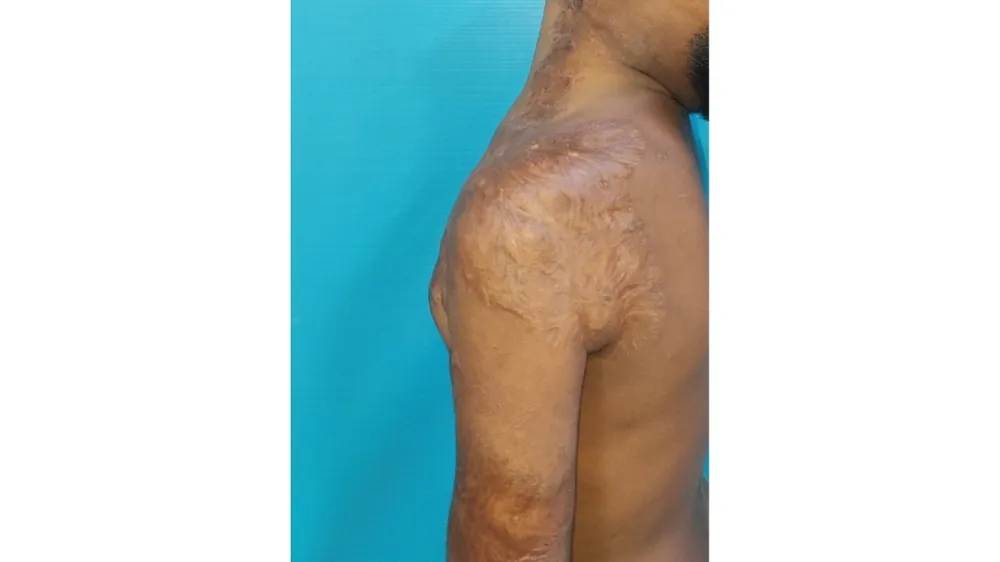
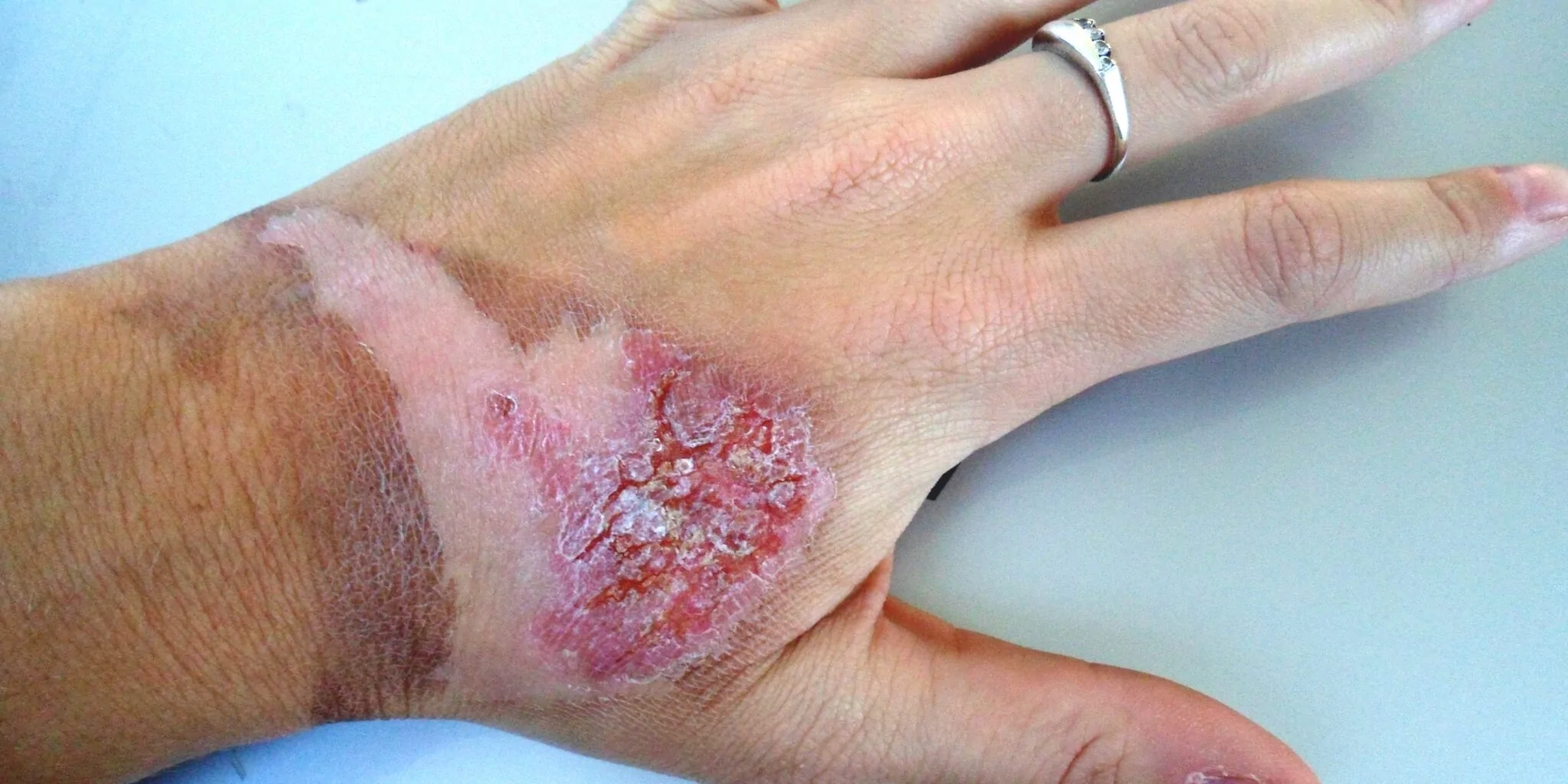
A burn contracture refers to the tightening and shortening of the skin that occurs after a second or third-degree burn injury. During the healing process of the burn wound, the skin around the injured area begins to contract, leading to the formation of a contracture. This contracture can cause the affected skin to become tight and restrict the normal range of motion in nearby joints.
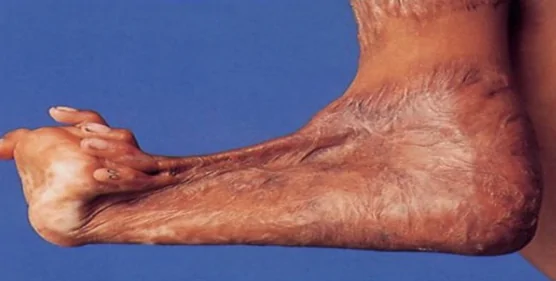
Burn contractures can develop in various parts of the body, depending on the location of the burn injury. Common sites for burn contractures include the:
Neck
Wrist
Elbow
Axilla (armpit)
Knee
Hand
Contractures result in abnormal bending of the joints crossed by the scarred skin, leading to functional limitations.
Preventing the formation of burn contractures is a critical goal in burn care. Several preventive measures can be taken:
In hand burns, splinting the hand and individually wrapping each finger can help maintain joint mobility.
For neck burns, keeping the neck stretched back (i.e., avoiding the use of pillows) during the healing process can prevent contractures.
In cases of large burns across joints where the full thickness of the skin is damaged, prompt and appropriate treatment, such as regular dressings and the replacement of burnt skin with split-thickness skin grafts, can prevent contractures.
Medical treatments like silicone gel and pressure massage therapy may be used to promote scar maturation and reduce the risk of contractures.
While these methods can prevent or reduce the severity of contractures in many cases, surgical intervention is often necessary if contractures persist.
Burn contractures should be treated as soon as possible because they can lead to restricted joint movement and, over time, permanent damage to the involved joint.
The treatment of burn contractures may involve various surgical techniques, depending on the severity and location of the contracture:
Local Skin Flaps (Z-Plasty): Local flaps may be used to release and reposition the scar tissue, improving joint mobility.
Skin Grafting: In some cases, skin grafts (either full-thickness or split-thickness) may be applied to cover the raw area created after the contracture release.
Microsurgical Free Flaps: For complicated contractures that may expose vital internal structures, a durable, thick cover is required. In such cases, either a local flap or a microsurgical free flap may be used to provide adequate tissue coverage.
The patient is typically admitted to the hospital a day before the surgery, and routine pre-surgery investigations are conducted. During the surgery, the contracture is released, and the resulting raw area is either covered with a skin graft or a flap, depending on the specific case.
After the surgery, the patient may remain in the hospital for a period of 2 to 3 days, with longer hospitalization (7 to 10 days) required for neck contractures. Dressings are usually changed after 7 days, and regular follow-up appointments are scheduled weekly. Once the area has fully healed and the contracture is corrected, preventive measures should be taken to avoid contracture recurrence. These measures include regular massage with coconut oil, wearing pressure garments for at least 3 to 6 months, and engaging in regular exercises to maintain joint flexibility.
When a patient has multiple contractures affecting various joints, the treatment may be prioritized by Dr. Amit based on the severity and impact of the contractures. Contractures of the neck, hand, and eyelids should be addressed as early as possible to prevent significant functional limitations and deformities.
Are you ready for a consultation?
Your treatment will be performed by board certified plastic surgeon. Schedule your appointment now!
Are you ready for a consultation?
Your treatment will be performed by board certified plastic surgeon. Schedule your appointment now!
A True Devotion to Healing
Where Compassionate Care Meets Advanced Medicine, Guiding You on the Path to Recovery and Well-being.
24/7 Patient Support
We understand that questions and concerns don’t have office hours. That’s why we offer round-the-clock support, ensuring you have access to the care and information you need, whenever you need it.
Premium Quality Materials
We commit to only using the highest-grade materials and the latest technology in your procedures. This commitment is our promise to you for superior outcomes and your utmost satisfaction.
Safety and Hygiene Promise
Your well-being is our top priority. Across our practice, we adhere to stringent safety and hygiene protocols, reassuring you of your safety and comfort at every step of your journey with us.
Burn contractures are tightened, scarred areas of the skin and underlying tissues that result from burn injuries. Common causes include burns from fire, hot objects, chemicals, or radiation, and risk factors may include the degree and location of the burn.
Burn contractures can lead to restricted movement, pain, and cosmetic deformities. They may limit the range of motion of affected joints, making daily activities difficult.
Prevention involves early wound care, physical therapy, and the use of splints or pressure garments to maintain tissue elasticity and prevent contractures.
Diagnosis involves a clinical examination by a healthcare professional, assessing range of motion and functional limitations. Imaging studies like X-rays may be used to evaluate joint involvement.
Kayakriti Clinic specializes in burn contracture management with a focus on surgical release, physical therapy, and rehabilitation. Their approach includes a team of experts experienced in treating contractures.
Kayakriti Clinic offers a patient-centric approach to burn contracture treatment, providing personalized treatment plans, scar revision surgery, and post-operative care to optimize mobility and function.
Privacy is of utmost importance to us. Rest assured, all your personal and medical information is handled with strict confidentiality.
TRUST
Our Surgeon is highly qualified and internationally certified with a team of skilled staff to perform any surgical or non-surgical treatment on your body.
SAFETY
Safety is our priority. We maintain stringent protocols to ensure a secure environment for all patients and staff members.
Breast augmentation and breast reduction are two very different procedures. Augmentation (breast enlargement) increases breast volume and alters shape, usually for cosmetic or reconstructive goals. Reduction removes breast tissue and skin to make breasts smaller and relieve symptoms. In general, augmentation is chosen by patients who want fuller, more symmetrical breasts (or as reconstruction after…
Rhinoplasty, commonly known as a “nose job,” is a surgical procedure to reshape the nose. It can be performed for cosmetic enhancement of appearance or for functional improvement of breathing (and often both). If you’re medically informed and considering rhinoplasty, it’s important to understand the types of rhinoplasty, what the surgery involves, and how the…
When diet and exercise don’t address certain stubborn fat deposits, liposuction can be a safe and effective solution—when chosen for the right reasons and in the right patient. As a commonly performed body-contouring procedure, liposuction reshapes specific areas of the body rather than serving as a weight-loss method. At Kayakriti Plastic Surgery & Dental Center…