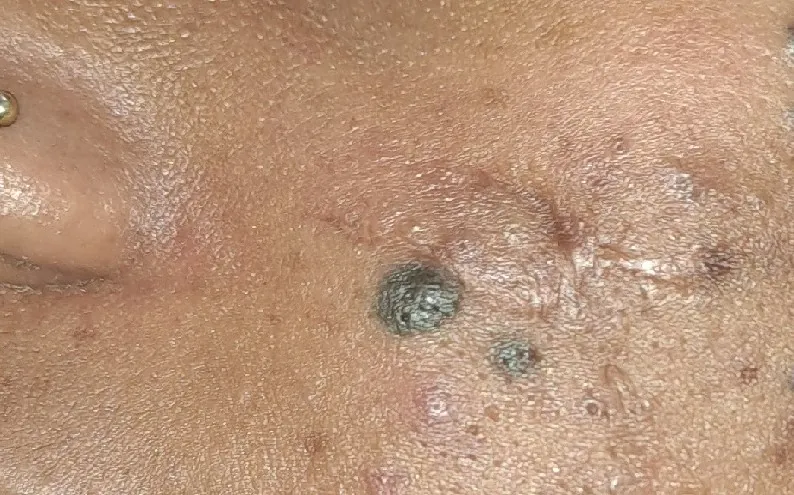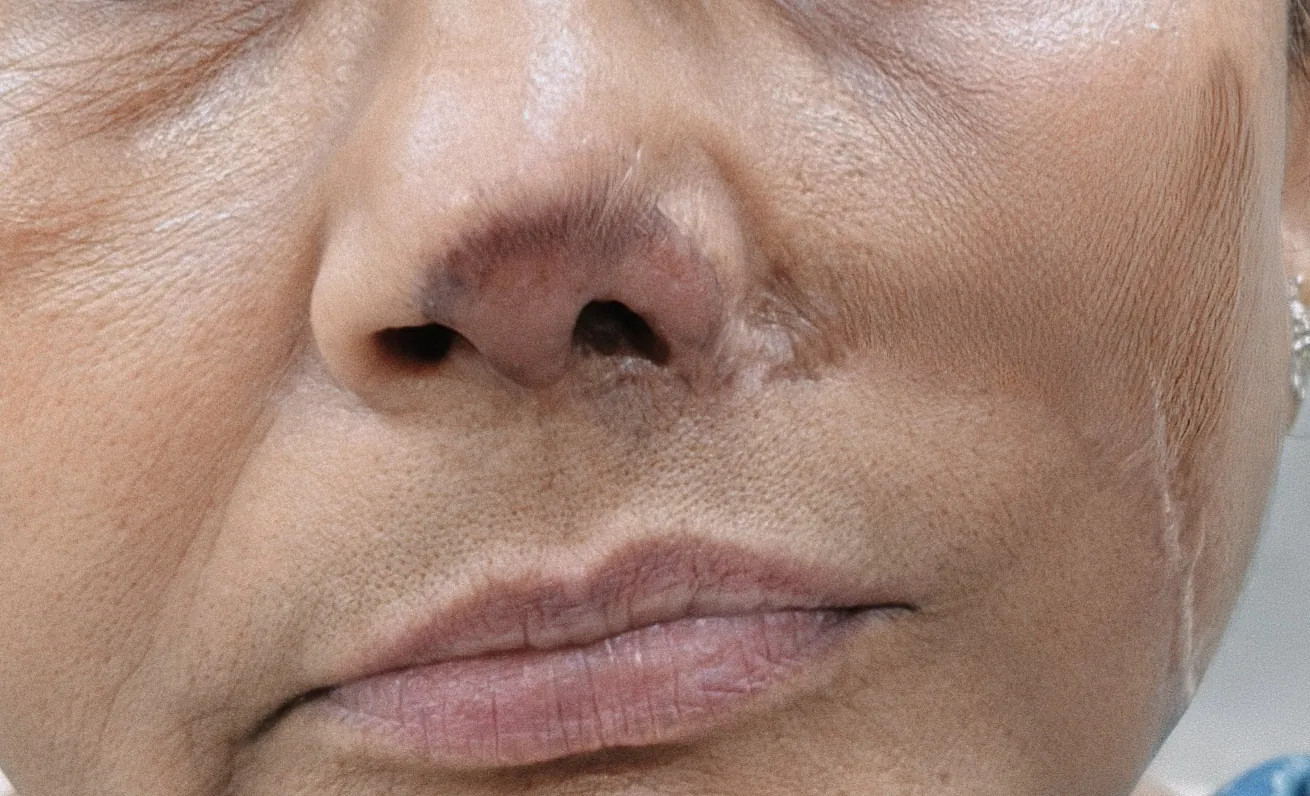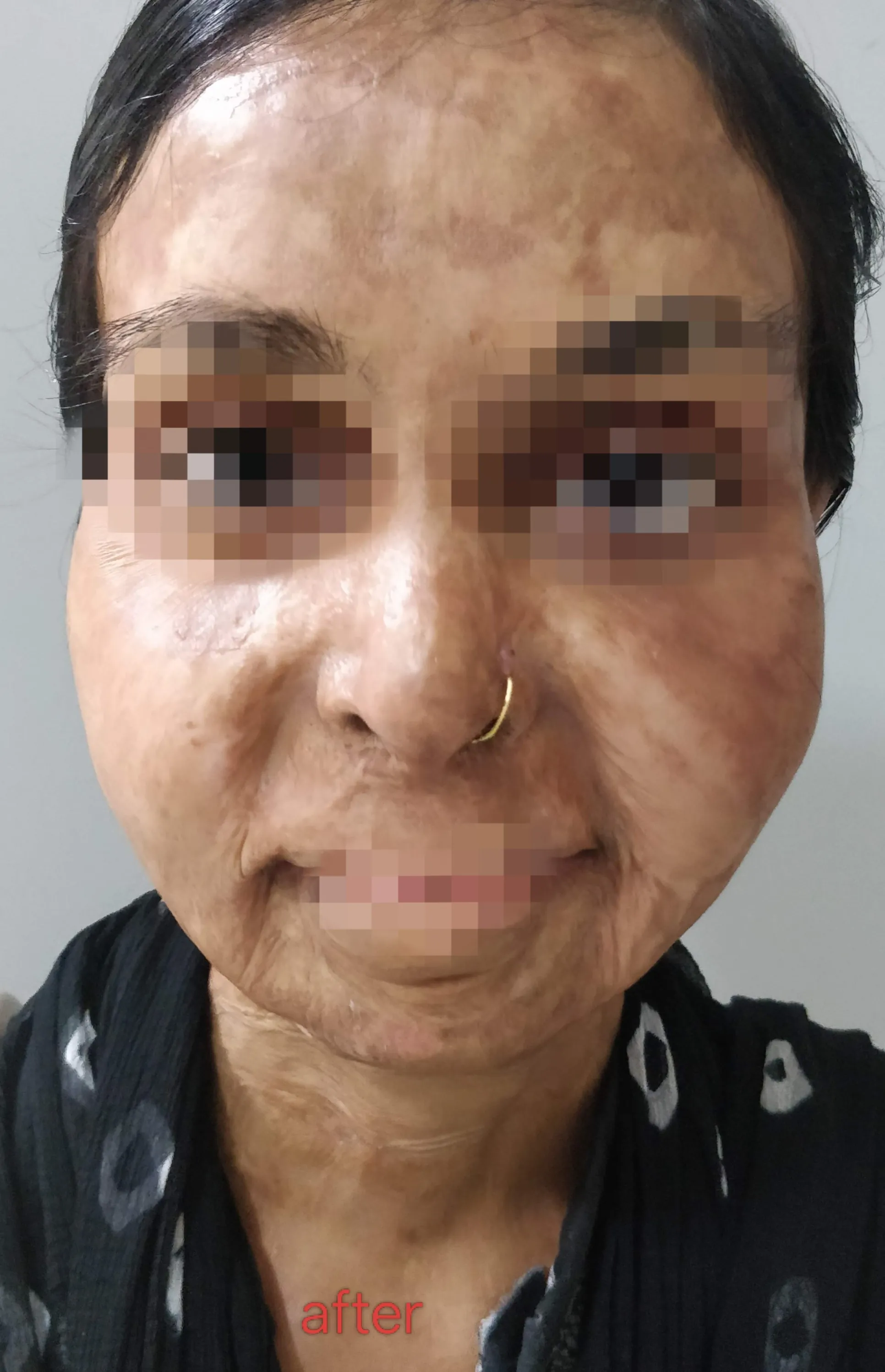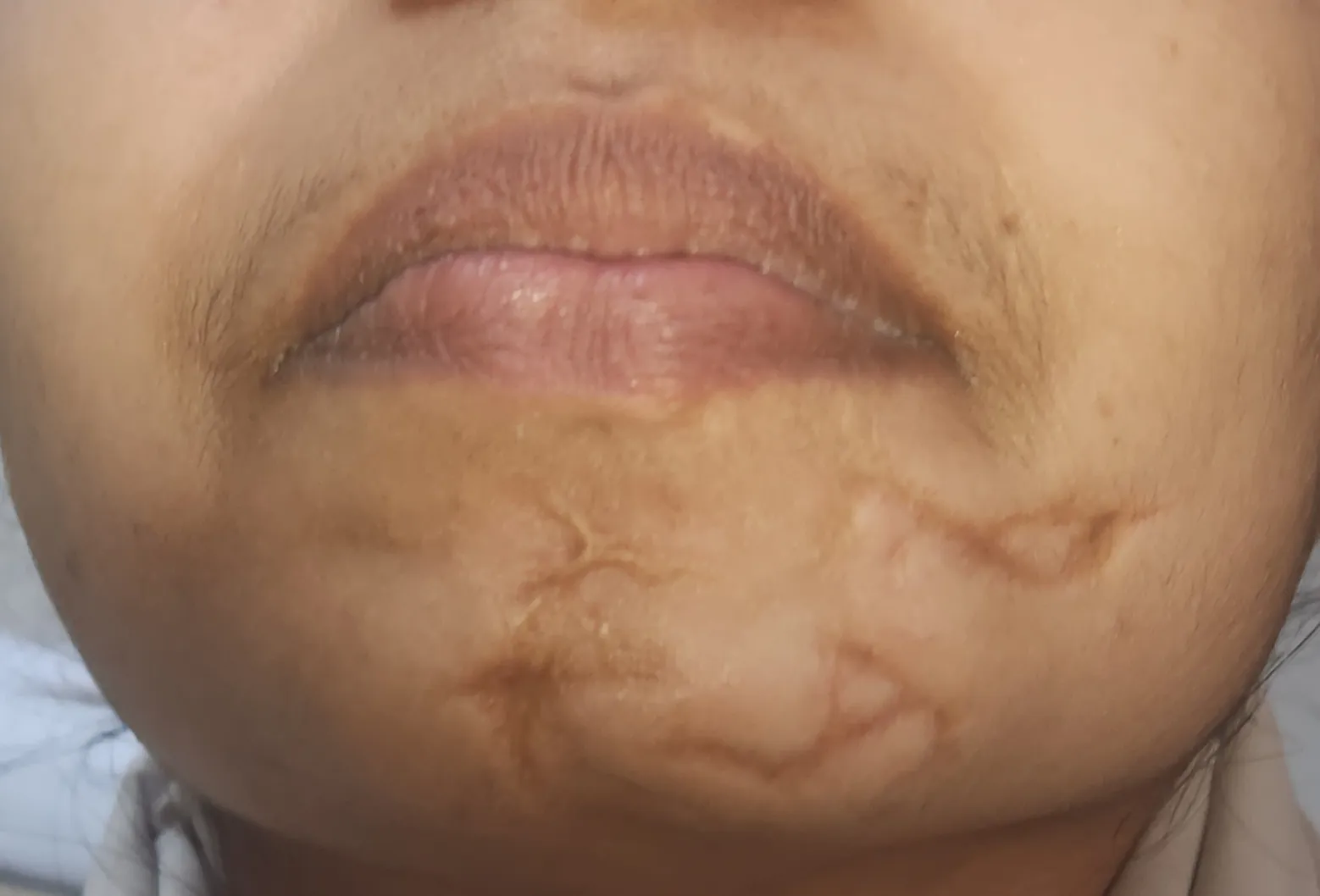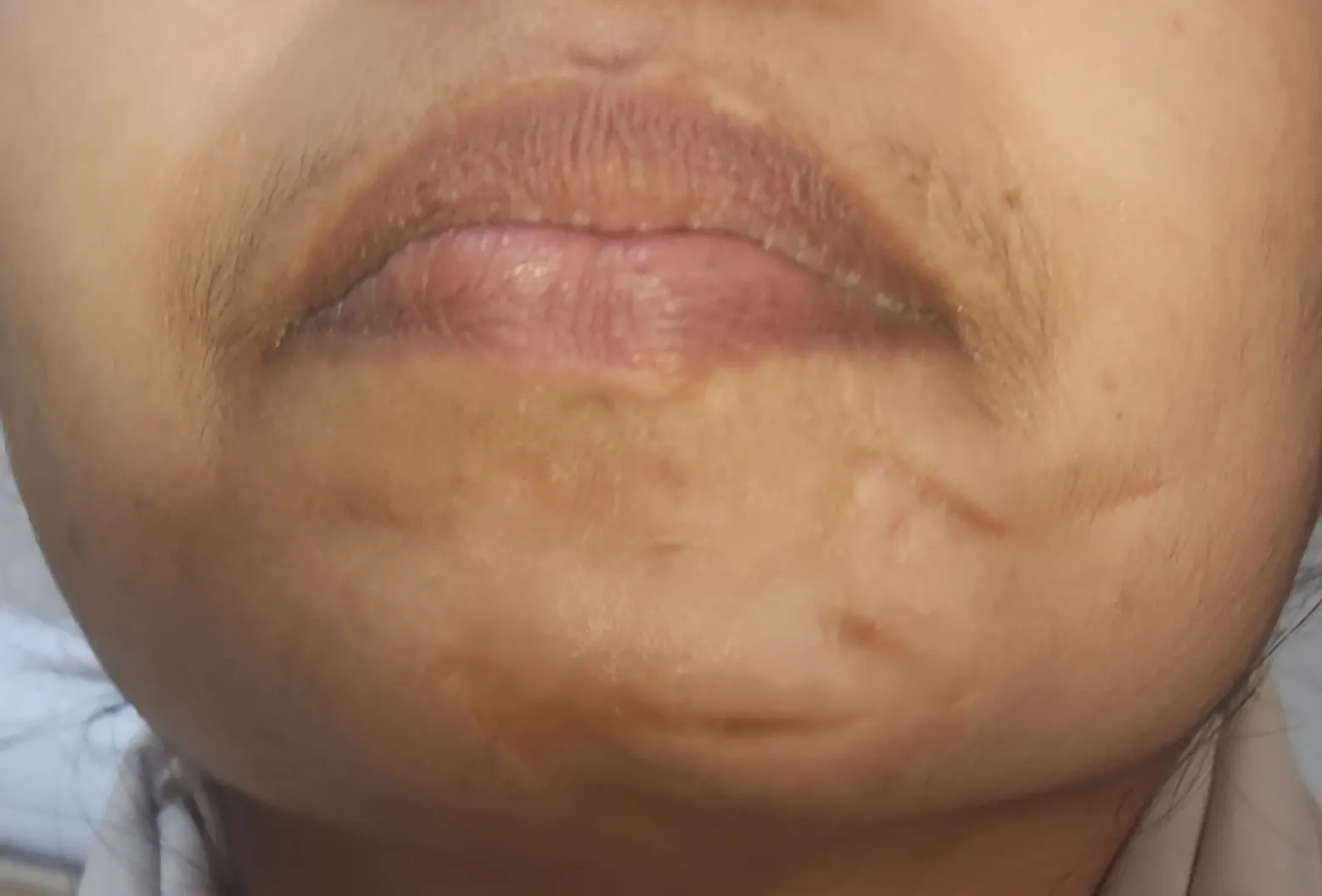
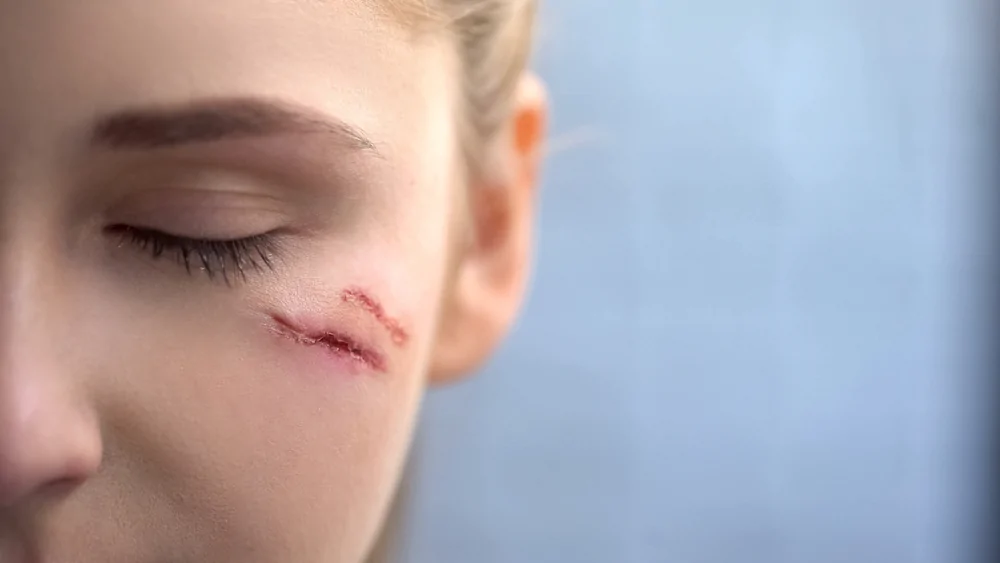
A scar is a visible mark that remains after a wound has healed. While scars cannot be completely removed, their appearance can be significantly improved through various treatments, including surgery. Indian skin is known to scar more easily than White skin, and the characteristics of scars can vary based on genetics.
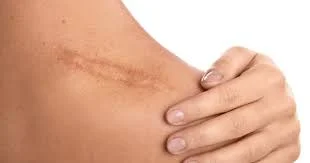
There are several types of scars, each with its own characteristics:
Discoloration or Surface Irregularities: These are subtle scars that can be improved with treatments. They include acne scars and minor surgical incisions.
Hypertrophic Scars: These are thick, raised scars that can be red, uncomfortable, and may widen over time. They can be darker or lighter in color than the surrounding skin.
Keloids: Keloids are larger than hypertrophic scars and can be painful and itchy. They extend beyond the original wound or incision and often occur where there is little underlying fatty tissue.
Contractures: Contractures are scars that restrict movement due to skin and underlying tissue pulling together during healing. They can limit mobility if they cross joints.
The procedure for scar revision depends on the type, size, and location of the scar. Techniques may include:
Surgical Scar Revision: This involves excising the scar and using layered closure techniques to prevent stretching. Advanced techniques like flap closures may be used.
Fat Grafting: Fat grafting can treat depressed or concave scars. Healthy fat is harvested from one area of the body, purified, and injected into the scar region.
Injectable Treatments: Steroidal-based compounds may be used to treat raised scars, such as keloids and hypertrophic scars.
Tissue Expansion: This method is used for larger scars. An inflatable balloon (tissue expander) is placed under the skin to stretch healthy skin, which is then used to replace scar tissue.
Surface Treatments: Surface treatments include dermabrasion, laser therapy, chemical peels, and skin bleaching agents to improve scar texture and pigmentation.
Recovery after scar revision is gradual and depends on various factors. You may walk or be discharged on the same day, and full recovery can take a year or more. Topical treatments like gels and sheets are important for healing. Follow-up appointments are essential to monitor scar progress.
While scar revision generally yields the desired results, there can be risks and complications, including the possibility of revisional surgery, recurrent looseness of skin, suboptimal aesthetic results, unfavorable scarring, infection, bleeding, poor wound healing, swelling, bruising, and irregular pigmentation. These should be discussed with Dr. Amit Agarwal before the procedure.
Follow instructions for scar care, follow-up appointments, and medications.
Consult Dr. Amit Agarwal if you experience complications.
Maintain a healthy lifestyle to preserve results.
Scar revision surgery aims to minimize the appearance of scars, and it’s essential to have realistic expectations and adhere to post-operative care instructions for the best results.
Ready for Your Transformation? Contact Dr. Amit Agarwal Today for Expert Scar Reversal/ Removal Surgery and Reveal Your Best Self!
Are you ready for a consultation?
Your treatment will be performed by board certified plastic surgeon. Schedule your appointment now!
Are you ready for a consultation?
Your treatment will be performed by board certified plastic surgeon. Schedule your appointment now!
A True Devotion to Healing
Where Compassionate Care Meets Advanced Medicine, Guiding You on the Path to Recovery and Well-being.
24/7 Patient Support
We understand that questions and concerns don’t have office hours. That’s why we offer round-the-clock support, ensuring you have access to the care and information you need, whenever you need it.
Premium Quality Materials
We commit to only using the highest-grade materials and the latest technology in your procedures. This commitment is our promise to you for superior outcomes and your utmost satisfaction.
Safety and Hygiene Promise
Your well-being is our top priority. Across our practice, we adhere to stringent safety and hygiene protocols, reassuring you of your safety and comfort at every step of your journey with us.
This procedure is performed under local anesthesia. There is no sedation required. During the procedure, you will not feel any pain but there may be some pain and swelling during the recovery process which will be taken care of with medications.
Quitting smoking is a perfect solution even without surgery as it involves many health risks, but it’s totally up to your wish whether you want to quit or not. But you should surely stop smoking at least 2 weeks before the surgery.
Proper care is very important in scar revision surgery for the next 6 months to avoid irregular pigmentation and raising of scars. You should avoid direct sun exposure. Topical treatments, such as gels, sheets, or external compressions (pressure garments) should be applied to reduce the ability of the skin to rise above the level of scar and reduce irregular pigment.
Always be in regular touch with your operating surgeon. Regular follow-up is mandatory in scar revision surgery to diagnose any hypertrophy or raised scar which in the initial stages subsides with good topical treatments or injectable therapy.
Privacy is of utmost importance to us. Rest assured, all your personal and medical information is handled with strict confidentiality.
TRUST
Our Surgeon is highly qualified and internationally certified with a team of skilled staff to perform any surgical or non-surgical treatment on your body.
SAFETY
Safety is our priority. We maintain stringent protocols to ensure a secure environment for all patients and staff members.
Breast augmentation and breast reduction are two very different procedures. Augmentation (breast enlargement) increases breast volume and alters shape, usually for cosmetic or reconstructive goals. Reduction removes breast tissue and skin to make breasts smaller and relieve symptoms. In general, augmentation is chosen by patients who want fuller, more symmetrical breasts (or as reconstruction after…
Rhinoplasty, commonly known as a “nose job,” is a surgical procedure to reshape the nose. It can be performed for cosmetic enhancement of appearance or for functional improvement of breathing (and often both). If you’re medically informed and considering rhinoplasty, it’s important to understand the types of rhinoplasty, what the surgery involves, and how the…
When diet and exercise don’t address certain stubborn fat deposits, liposuction can be a safe and effective solution—when chosen for the right reasons and in the right patient. As a commonly performed body-contouring procedure, liposuction reshapes specific areas of the body rather than serving as a weight-loss method. At Kayakriti Plastic Surgery & Dental Center…