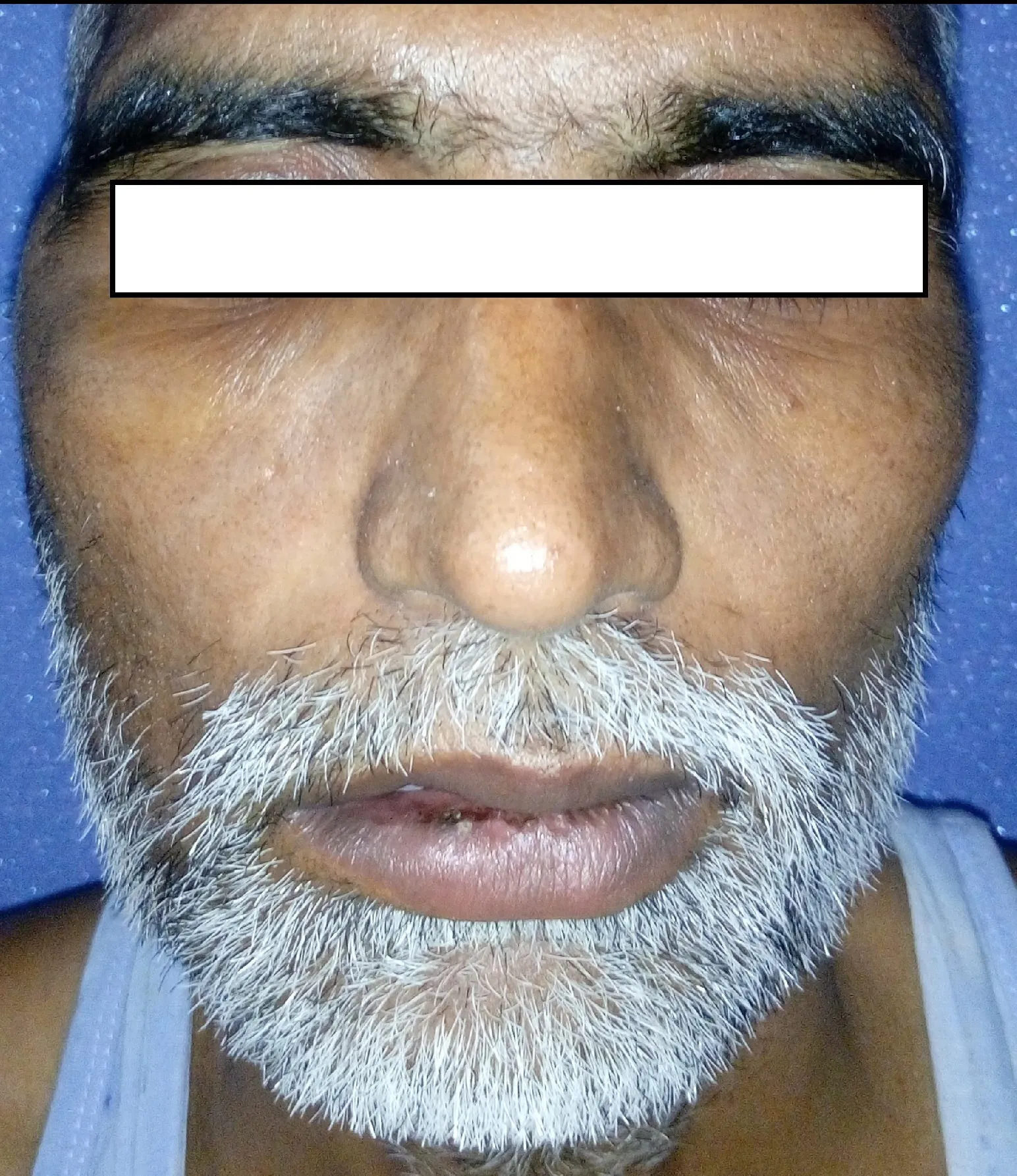
Parotid glands, two in number, are salivary glands located just in front of the ears on each side of the face. They play a crucial role in producing saliva, which aids digestion, maintains mouth moisture, and promotes dental health. There are three major salivary glands, including the parotid glands, and several smaller salivary glands scattered throughout the mouth, throat, and lips
Parotid tumors are the most common among all salivary gland tumors. These tumors result from the abnormal growth of cells within the parotid glands. While most parotid tumors are non-cancerous, they can potentially transform into cancerous conditions. There are two primary types:
Benign Tumors: These tumors exhibit slow, non-aggressive growth and arise from various intracellular events within the gland. They typically grow slowly, are painless, and do not invade nearby tissues. However, they can exert pressure on adjacent structures, potentially causing functional issues. Pleomorphic Adenoma is the most common benign parotid tumor. It is slow-growing and has a low likelihood of turning malignant.
Parotid Cancer: Benign parotid tumors can undergo malignant transformation over time if left untreated. This transformation significantly impacts prognosis and treatment options.
Discussion about chances of facial nerve injury or palsy during surgery. This can lead to weakness or paralysis of one side of the face. It could be transient due to stretching or pressure over the nerve which gets auto-corrected within 3 to 6 months. It can also be a permanent injury, but the chances are very rare (less than 1 percent).
Surgical options can be customized accordingly if the tumor is benign and not extensive and if the patient is not willing to accept any risk of facial nerve injury.
Discussion with the patient is also done regarding post-surgical follow-ups, prognosis, and any treatment required after the surgery.
The choice of surgery depends on the tumor type, location, and potential involvement of facial nerves. Surgical options include:
Superficial Parotidectomy: This surgery is the most common choice. It involves removing the parotid gland above the facial nerve while preserving the nerve itself.
Extracapsular Resection: This surgery removes the tumor along with some healthy parotid gland tissue. It is suitable for small tumors in the superficial lobe and for patients who wish to avoid the risk of facial nerve injury.
Total Parotidectomy: For larger tumors, cancers, or those involving nerves, complete removal of the parotid gland, along with potential nerve reconstruction, is performed. Dr. Amit Agarwal specializes in nerve-sparing total parotidectomy.
Patients are advised to avoid heavy lifting and straining, keep the wound clean, and not worry about temporary facial nerve paralysis, which often resolves on its own. Possible risks and complications include bleeding, infection, scarring, and more.
For cancerous parotid tumors, radiation therapy and chemotherapy may be recommended after surgery. These treatments help eliminate any remaining cancer cells and manage advanced cases.
It’s important to consult with Dr. Amit Agarwal to determine the most suitable treatment plan based on your specific condition and needs.
Are you ready for a consultation?
Your treatment will be performed by board certified plastic surgeon. Schedule your appointment now!
Are you ready for a consultation?
Your treatment will be performed by board certified plastic surgeon. Schedule your appointment now!
A True Devotion to Healing
Where Compassionate Care Meets Advanced Medicine, Guiding You on the Path to Recovery and Well-being.
24/7 Patient Support
We understand that questions and concerns don’t have office hours. That’s why we offer round-the-clock support, ensuring you have access to the care and information you need, whenever you need it.
Premium Quality Materials
We commit to only using the highest-grade materials and the latest technology in your procedures. This commitment is our promise to you for superior outcomes and your utmost satisfaction.
Safety and Hygiene Promise
Your well-being is our top priority. Across our practice, we adhere to stringent safety and hygiene protocols, reassuring you of your safety and comfort at every step of your journey with us.
Parotid Tumors are growths or masses that occur in the parotid gland, a major salivary gland located near the ear. Common causes and risk factors include genetic predisposition, exposure to radiation, and certain medical conditions.
Parotid Tumors can vary in type, including benign tumors like pleomorphic adenomas and malignant tumors like mucoepidermoid carcinoma. They are categorized based on their histological features.
Diagnosis involves a clinical examination, imaging studies like ultrasound, MRI, or CT scans, and often a fine-needle aspiration biopsy to determine the nature of the tumor.
Treatment options may include surgery, radiation therapy, chemotherapy, or a combination of these, depending on the type and stage of the parotid tumor.
Kayakriti Clinic specializes in Parotid Tumor management with a focus on precise diagnosis, tumor removal, and post-operative care. Their approach includes a team of experts experienced in salivary gland surgery.
Kayakriti Clinic offers a patient-centric approach to Parotid Tumor treatment, providing personalized surgical plans, minimally invasive techniques, and supportive care to optimize recovery and quality of life.
Privacy is of utmost importance to us. Rest assured, all your personal and medical information is handled with strict confidentiality.
TRUST
Our Surgeon is highly qualified and internationally certified with a team of skilled staff to perform any surgical or non-surgical treatment on your body.
SAFETY
Safety is our priority. We maintain stringent protocols to ensure a secure environment for all patients and staff members.
Breast augmentation and breast reduction are two very different procedures. Augmentation (breast enlargement) increases breast volume and alters shape, usually for cosmetic or reconstructive goals. Reduction removes breast tissue and skin to make breasts smaller and relieve symptoms. In general, augmentation is chosen by patients who want fuller, more symmetrical breasts (or as reconstruction after…
Rhinoplasty, commonly known as a “nose job,” is a surgical procedure to reshape the nose. It can be performed for cosmetic enhancement of appearance or for functional improvement of breathing (and often both). If you’re medically informed and considering rhinoplasty, it’s important to understand the types of rhinoplasty, what the surgery involves, and how the…
When diet and exercise don’t address certain stubborn fat deposits, liposuction can be a safe and effective solution—when chosen for the right reasons and in the right patient. As a commonly performed body-contouring procedure, liposuction reshapes specific areas of the body rather than serving as a weight-loss method. At Kayakriti Plastic Surgery & Dental Center…