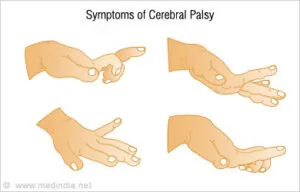
Cerebral palsy (CP) is a developmental disorder caused by brain injury before or after birth during a child’s developmental years. It is commonly associated with low-birth-weight babies, prematurity, jaundice, genetic disorders, maternal infections, and intracranial bleeding.
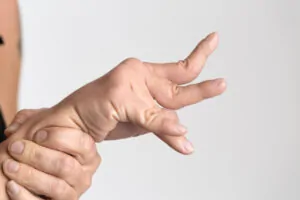
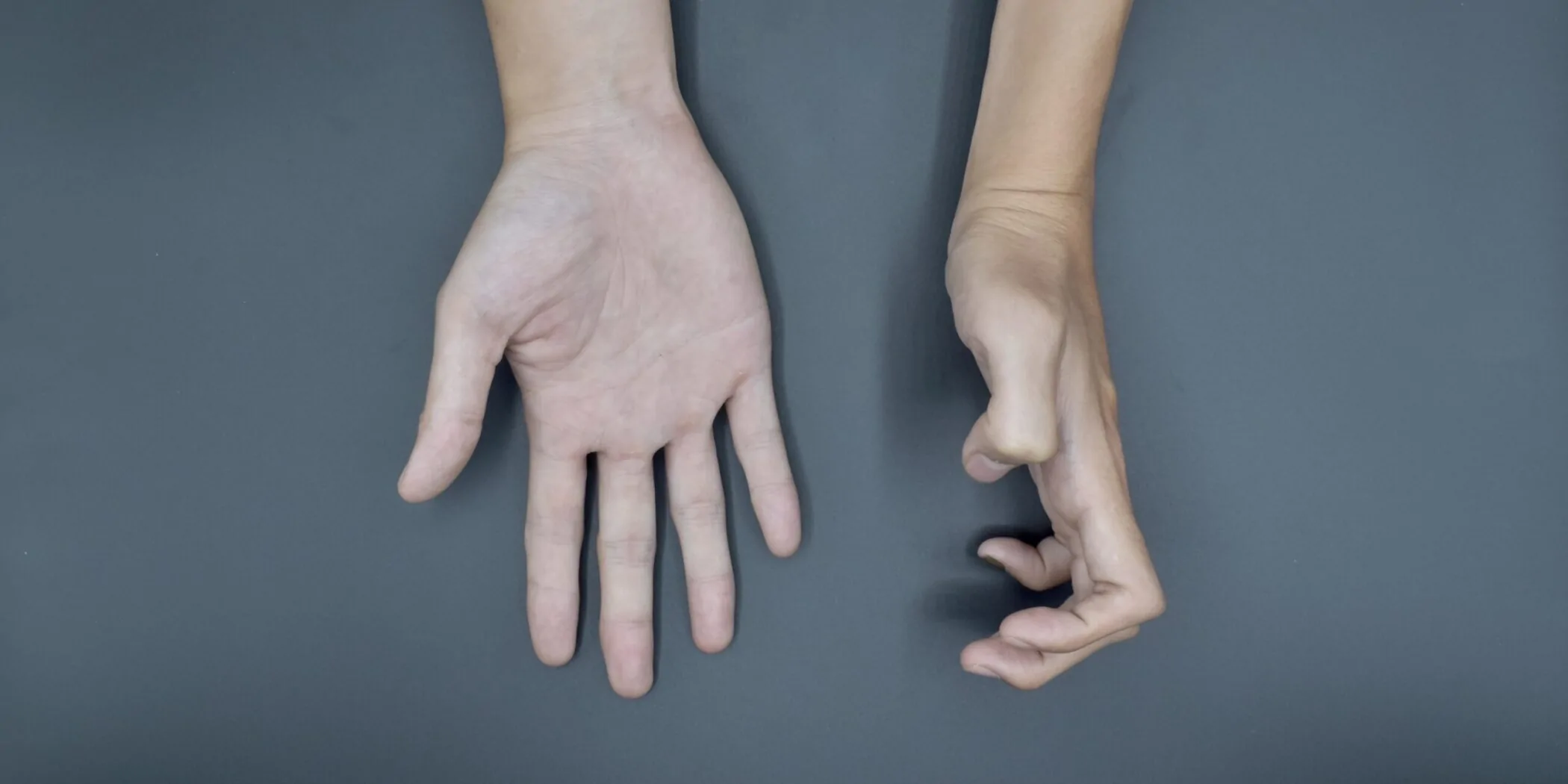
CP can affect one or both hands and/or lower limbs, leading to spasticity, muscle tightness, stiff joints, limited mobility, an abnormal gait, toe-walking, and contractures.
Early detection of hand deformities is crucial for better management. However, these deformities are challenging to recognize in the initial years due to delayed developmental milestones. Diagnosis typically occurs around the age of five.
Children with CP may also have associated disabilities, such as communication impairments, vision and hearing issues, and mental impairments, along with a history of seizures. All these aspects need to be considered when assessing a child with a spastic hand.
The goal of treating a spastic hand in children with CP is to develop and maintain hand manipulation skills, coordination, and basic hand functions. This includes holding objects for feeding and play. In older children, the focus extends to skills like writing, manipulation, activities of daily living, and social interactions.
Treating a spastic hand is a team effort that involves parents, surgeons, physiotherapists, pediatricians, occupational therapists, nurses, and psychologists.
In children under four, a combination of physical therapy, occupational therapy, and splinting should be attempted to improve functional activities, flexibility, and joint suppleness. Physical therapy focuses on a range of motion exercises and stretching to improve motor function.
Occupational therapy aims to enhance the child’s ability to perform daily activities at home and school, focusing on strength improvement and bilateral hand coordination. Splints may be used for better hand positioning.
For older children, an intensive therapy program is developed, incorporating physical and occupational therapy along with splints. Botox injections may be administered to relax spastic and contracted muscles, making them more amenable to physical therapy.
If hand deformities persist or do not improve after Botox injections, surgery is considered. The ideal age for surgery in children with CP is typically between 8 to 12 years, although it can be performed in adults as well. Surgery can lead to significant improvements in hand function and the quality of life for both children and their parents.
Various surgical procedures are performed to address hand deformities in children with CP:
Muscle Lengthening: Surgical lengthening of muscles aims to relieve tightness in the hands and fingers, improving wrist and hand movements.
Tendon Lengthening: Reduces hand contractures, with joint-oriented physiotherapy necessary post-surgery.
Tendon Transfer: Enhances hand and wrist function by rerouting a functional tendon to provide movement to non-functional areas.
Tenotomy/Myotomy: Cutting tendons or muscles can improve muscle function and control, increasing upper limb abilities.
Osteotomy: Bone alignment is corrected to improve posture and function.
Arthrodesis: Severe cases of spastic hand may require wrist arthrodesis in a functional position to enhance daily activity performance.
Properly planned and performed surgeries significantly enhance the quality of life for children with CP, enabling them to lead more independent lives.
Are you ready for a consultation?
Your treatment will be performed by board certified plastic surgeon. Schedule your appointment now!
Are you ready for a consultation?
Your treatment will be performed by board certified plastic surgeon. Schedule your appointment now!
A True Devotion to Healing
Where Compassionate Care Meets Advanced Medicine, Guiding You on the Path to Recovery and Well-being.
24/7 Patient Support
We understand that questions and concerns don’t have office hours. That’s why we offer round-the-clock support, ensuring you have access to the care and information you need, whenever you need it.
Premium Quality Materials
We commit to only using the highest-grade materials and the latest technology in your procedures. This commitment is our promise to you for superior outcomes and your utmost satisfaction.
Safety and Hygiene Promise
Your well-being is our top priority. Across our practice, we adhere to stringent safety and hygiene protocols, reassuring you of your safety and comfort at every step of your journey with us.
Cerebral Palsy is a developmental disorder caused by brain injury before or after birth during a child’s developmental years. It differs from other developmental disorders based on its specific association with brain injury and its impact on motor function.
Cerebral Palsy is primarily caused by brain injury during early development. Factors contributing to its development can include prenatal, perinatal, or postnatal factors that affect the brain.
Symptoms of Cerebral Palsy may include motor impairments, muscle stiffness, and coordination difficulties. These symptoms can affect a child’s mobility and daily activities.
Diagnosis typically involves a clinical evaluation by a pediatrician or neurologist. Additional tests, such as MRI or brain imaging, may be used to confirm the diagnosis and determine the type and severity of CP.
Management of Cerebral Palsy often includes a multidisciplinary approach that may involve physical therapy, occupational therapy, speech therapy, medication, assistive devices, and, in some cases, surgical interventions. The specific treatment plan is tailored to the child’s unique needs.
Kayakriti Clinic specializes in the management of Cerebral Palsy, offering a team of experts with extensive experience in pediatric neurorehabilitation. They provide a patient-centric approach, including tailored therapies and interventions to optimize a child’s function and quality of life.
Privacy is of utmost importance to us. Rest assured, all your personal and medical information is handled with strict confidentiality.
TRUST
Our Surgeon is highly qualified and internationally certified with a team of skilled staff to perform any surgical or non-surgical treatment on your body.
SAFETY
Safety is our priority. We maintain stringent protocols to ensure a secure environment for all patients and staff members.
Breast augmentation and breast reduction are two very different procedures. Augmentation (breast enlargement) increases breast volume and alters shape, usually for cosmetic or reconstructive goals. Reduction removes breast tissue and skin to make breasts smaller and relieve symptoms. In general, augmentation is chosen by patients who want fuller, more symmetrical breasts (or as reconstruction after…
Rhinoplasty, commonly known as a “nose job,” is a surgical procedure to reshape the nose. It can be performed for cosmetic enhancement of appearance or for functional improvement of breathing (and often both). If you’re medically informed and considering rhinoplasty, it’s important to understand the types of rhinoplasty, what the surgery involves, and how the…
When diet and exercise don’t address certain stubborn fat deposits, liposuction can be a safe and effective solution—when chosen for the right reasons and in the right patient. As a commonly performed body-contouring procedure, liposuction reshapes specific areas of the body rather than serving as a weight-loss method. At Kayakriti Plastic Surgery & Dental Center…