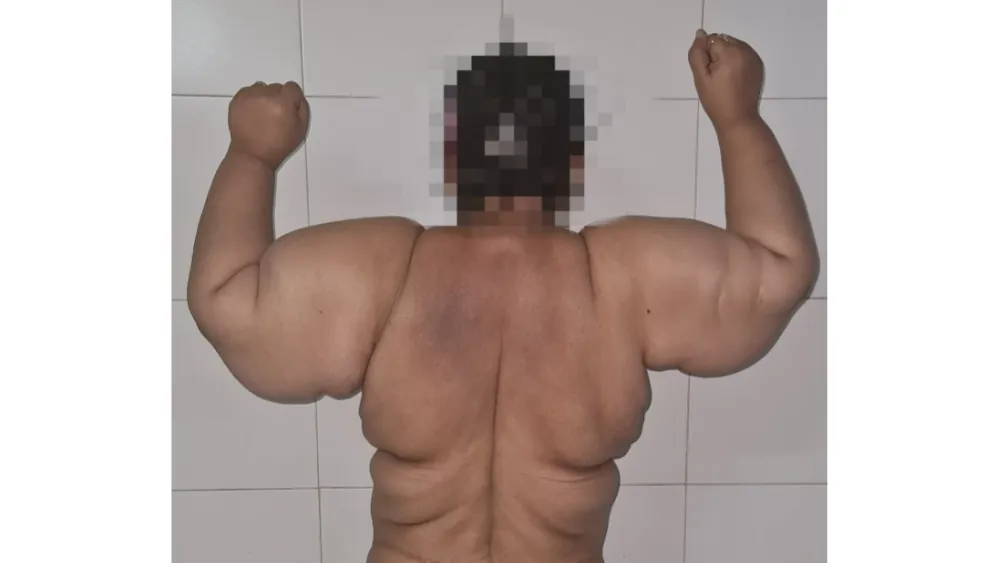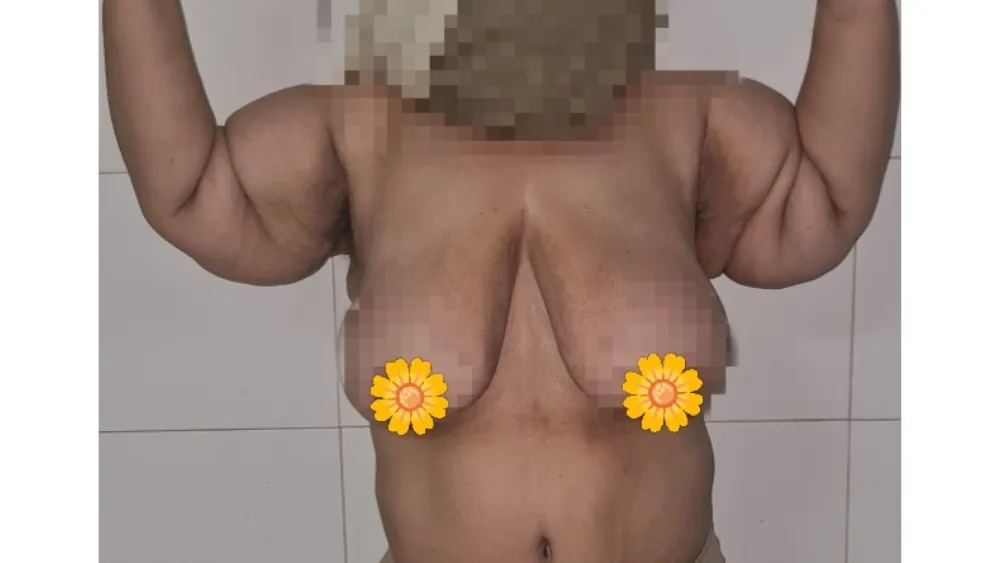
An upper body lift is a transformative procedure designed for both men and women seeking to eliminate excess skin and fat after significant weight loss. This surgery targets loose and sagging skin in various upper body areas, including the arms, breasts, and back. If you’ve undergone bariatric surgery or experienced substantial weight loss through diet and exercise, an upper body lift can rejuvenate your appearance and enhance your self-confidence.
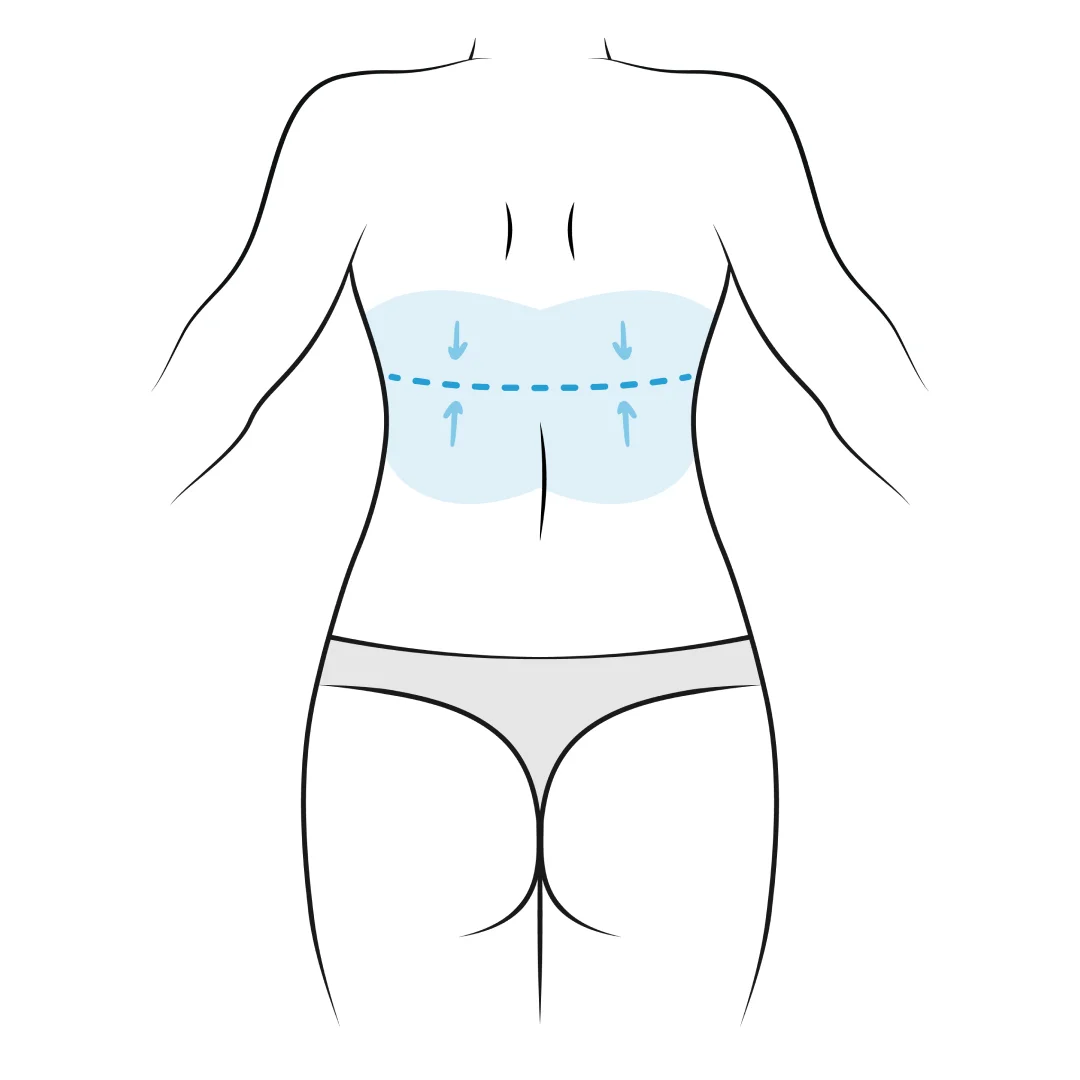
After significant weight loss, whether through bariatric surgery or other means, many individuals are left with loose and excess skin that can be uncomfortable and affect their quality of life. Upper body lift surgery, often part of a comprehensive body contouring strategy, addresses these concerns. It typically includes three main procedures: Brachioplasty (arm reshaping), breast reshaping (lift or reduction for women or chest contouring for men), and back lift to remove excess skin and fat rolls.
The extent and location of excess skin can vary based on factors like body shape and the amount of weight lost. Common areas affected include the upper back, underarms, and the sides of the chest, often leading to discomfort and hygiene issues.
Not everyone is a suitable candidate for an upper body lift. To achieve the best results, individuals considering this procedure should meet specific criteria:
Weight Stability: Your weight should be stable for at least six months, with no further weight loss expected.
Good Health: You should be physically healthy with controlled or no chronic medical conditions, such as diabetes, high blood pressure, or thyroid issues.
Non-Smoker: Smoking should ideally be avoided, as it can hinder the healing process and increase surgical risks.
Realistic Expectations: It’s crucial to have realistic expectations about the procedure’s outcomes.
During your consultation with a plastic surgeon like Dr. Amit Agarwal, various factors will be assessed, including your BMI, areas of concern, asymmetry, and overall health. Open communication about your goals and expectations is essential.
Before your upper body lift surgery, several preparations are necessary:
Medical Tests: Complete any tests recommended by your surgeon.
Dietary Plan: Follow a strict diet as prescribed by your surgeon.
Alcohol and Smoking: Refrain from alcohol consumption 48 hours before surgery, and quit smoking at least four weeks prior to and after the procedure.
Medications and Supplements: Avoid anti-inflammatory drugs and herbal supplements, as they can increase the risk of bleeding.
Admission for the surgery will typically occur on the same day or the day before the procedure. You’ll meet with an anesthetist for a pre-anesthetic check-up and sign a consent form explaining the surgery.
Upper body lift surgery is performed under general anesthesia and consists of three main steps:
Brachioplasty: Targets sagging skin in the upper arms. An incision is made along the inner arm, extending into the armpit and, if necessary, along the upper chest wall. Excess skin and fat are removed, and the arm is reshaped. The incision is then closed, typically with absorbable sutures and glue.
Breast Reshaping: For women, this involves an incision around the areola, extending to the breast crease and underneath the breast. The breast tissue is uplifted, areolas reduced, and excess skin removed. In men, this procedure is similar to gynecomastia surgery, addressing hanging skin in the chest region.
Back Lift: Removes excess skin from the back. An incision is made on the back, away from the midline, extending to the side of the chest. After the excess skin is removed, the incision is closed.
Results of the upper arm lift are immediately visible, but optimal results are observed after the swelling subsides.
Recovery following an upper body lift is a significant process and often requires nursing assistance at home for at least 3 to 4 weeks. Here are key points regarding recovery:
Dressings and a compression garment are applied to support the surgical areas.
Temporary drains may be used to remove excess fluid.
Swelling and bruising are common but typically subside within 1 to 2 weeks.
Pain and soreness can be managed with prescribed painkillers.
Walking is encouraged early in the recovery process.
Exercise can generally be resumed after six to eight weeks.
Wearing a pressure garment is essential for about 6 months.
Returning to work and normal activities typically occurs between three to four weeks post-surgery.
Full results are typically seen within 6 to 12 months as swelling and bruising subside.
Every individual’s experience may differ, but some potential risks and complications include:
General Anesthesia Risks: These are exceedingly rare, especially with modern equipment and qualified anesthetists.
Visible Scars: While scarring is inevitable, they usually fade over time and are strategically placed to minimize visibility.
BMI-Related Risks: Higher BMI can increase the risk of wound healing issues.
Seroma Formation: Fluid accumulation that usually subsides with time.
Infection and Wound Dehiscence: Rare, but may require antibiotic therapy and re-suturing.
Bleeding or Hematoma Formation: May necessitate observation or drainage.
Breast Asymmetry or Sensitivity Loss: Possible outcomes, especially in breast reshaping.
Persistent Swelling and Bruising: These tend to reduce with time.
Issues with Blood Supply: Especially common in smokers and individuals with multiple health conditions.
Irregular Contours: This may be corrected with a pressure garment.
Change in Skin Sensation: Typically recovers with time.
Irregular Pigmentation or Scarring: Usually resolves with time or treatment.
Nerve Compressions or Damage: Rare but possible.
Rare Systemic Complications: Such as Deep Vein Thrombosis, fat embolism, and cardiac issues.
Maintaining a healthy lifestyle is essential to preserve your results. Failure to do so may result in new fat deposits, potentially necessitating further surgery.
To ensure a successful outcome and minimize risks, follow these guidelines:
Don’t Force Excess Fat Removal: Avoid pressuring your surgeon for excessive fat removal to prevent complications.
Be Honest About Health: Disclose any major chronic illnesses to your surgeon.
Wear the Compression Garment: This aids in reducing swelling and enhancing your contour.
Maintain a Healthy Lifestyle: Exercise and a proper diet help prevent further fat deposits.
Promptly Address Complications: If you experience any issues, consult your surgeon immediately.
Ready for Your Transformation? Contact Dr. Amit Agarwal Today for Expert Body Plastic Surgery and Reveal Your Best Self!
Are you ready for a consultation?
Your treatment will be performed by board certified plastic surgeon. Schedule your appointment now!
Are you ready for a consultation?
Your treatment will be performed by board certified plastic surgeon. Schedule your appointment now!
A True Devotion to Healing
Where Compassionate Care Meets Advanced Medicine, Guiding You on the Path to Recovery and Well-being.
24/7 Patient Support
We understand that questions and concerns don’t have office hours. That’s why we offer round-the-clock support, ensuring you have access to the care and information you need, whenever you need it.
Premium Quality Materials
We commit to only using the highest-grade materials and the latest technology in your procedures. This commitment is our promise to you for superior outcomes and your utmost satisfaction.
Safety and Hygiene Promise
Your well-being is our top priority. Across our practice, we adhere to stringent safety and hygiene protocols, reassuring you of your safety and comfort at every step of your journey with us.
The results are long-lasting but if you gain or lose weight following your upper body lift, you may see some of your results diminish; however, maintaining a healthy body weight can help results last for years or decades.
Quitting smoking is a perfect solution even without surgery as it involves many health risks, but it’s totally up to your wish whether you want to quit or not. But you should surely stop smoking at least 4 weeks before the surgery.
Men and women who have undergone massive loss of weight through natural means by diet and exercise or bariatric surgery and have loose skin under their arms, armpits, breasts, and back region.
Privacy is of utmost importance to us. Rest assured, all your personal and medical information is handled with strict confidentiality.
TRUST
Our Surgeon is highly qualified and internationally certified with a team of skilled staff to perform any surgical or non-surgical treatment on your body.
SAFETY
Safety is our priority. We maintain stringent protocols to ensure a secure environment for all patients and staff members.
Breast augmentation and breast reduction are two very different procedures. Augmentation (breast enlargement) increases breast volume and alters shape, usually for cosmetic or reconstructive goals. Reduction removes breast tissue and skin to make breasts smaller and relieve symptoms. In general, augmentation is chosen by patients who want fuller, more symmetrical breasts (or as reconstruction after…
Rhinoplasty, commonly known as a “nose job,” is a surgical procedure to reshape the nose. It can be performed for cosmetic enhancement of appearance or for functional improvement of breathing (and often both). If you’re medically informed and considering rhinoplasty, it’s important to understand the types of rhinoplasty, what the surgery involves, and how the…
When diet and exercise don’t address certain stubborn fat deposits, liposuction can be a safe and effective solution—when chosen for the right reasons and in the right patient. As a commonly performed body-contouring procedure, liposuction reshapes specific areas of the body rather than serving as a weight-loss method. At Kayakriti Plastic Surgery & Dental Center…