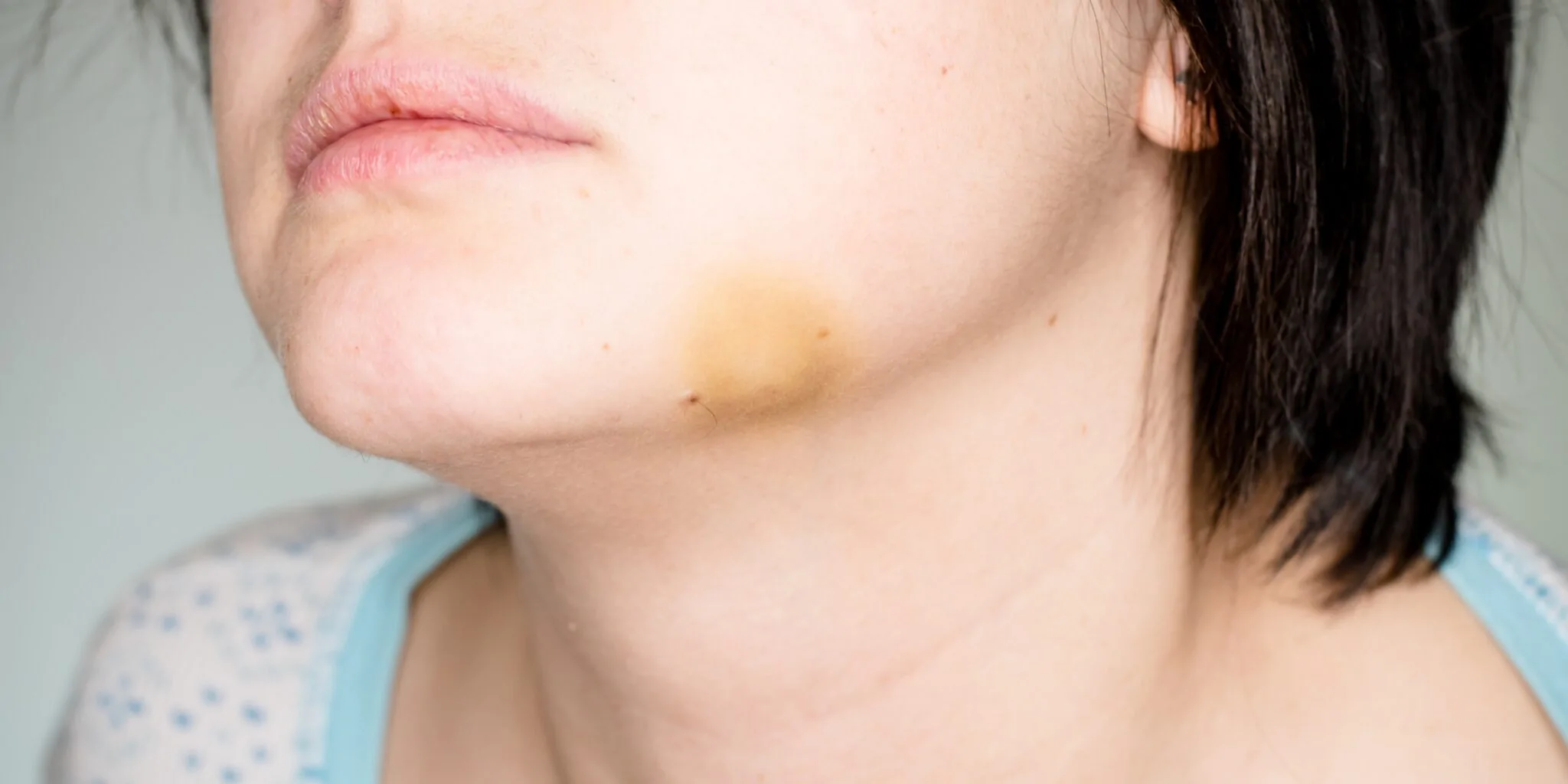
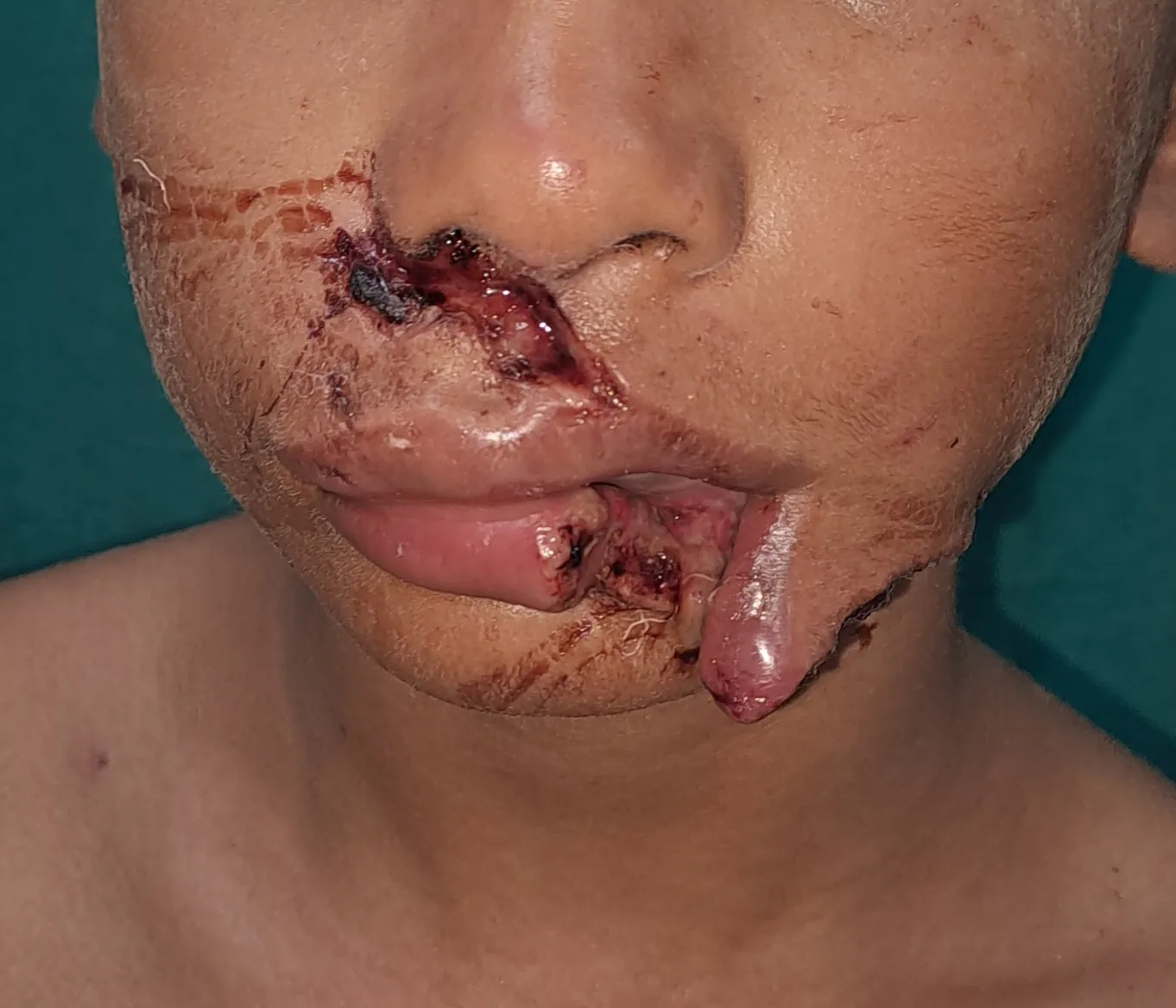
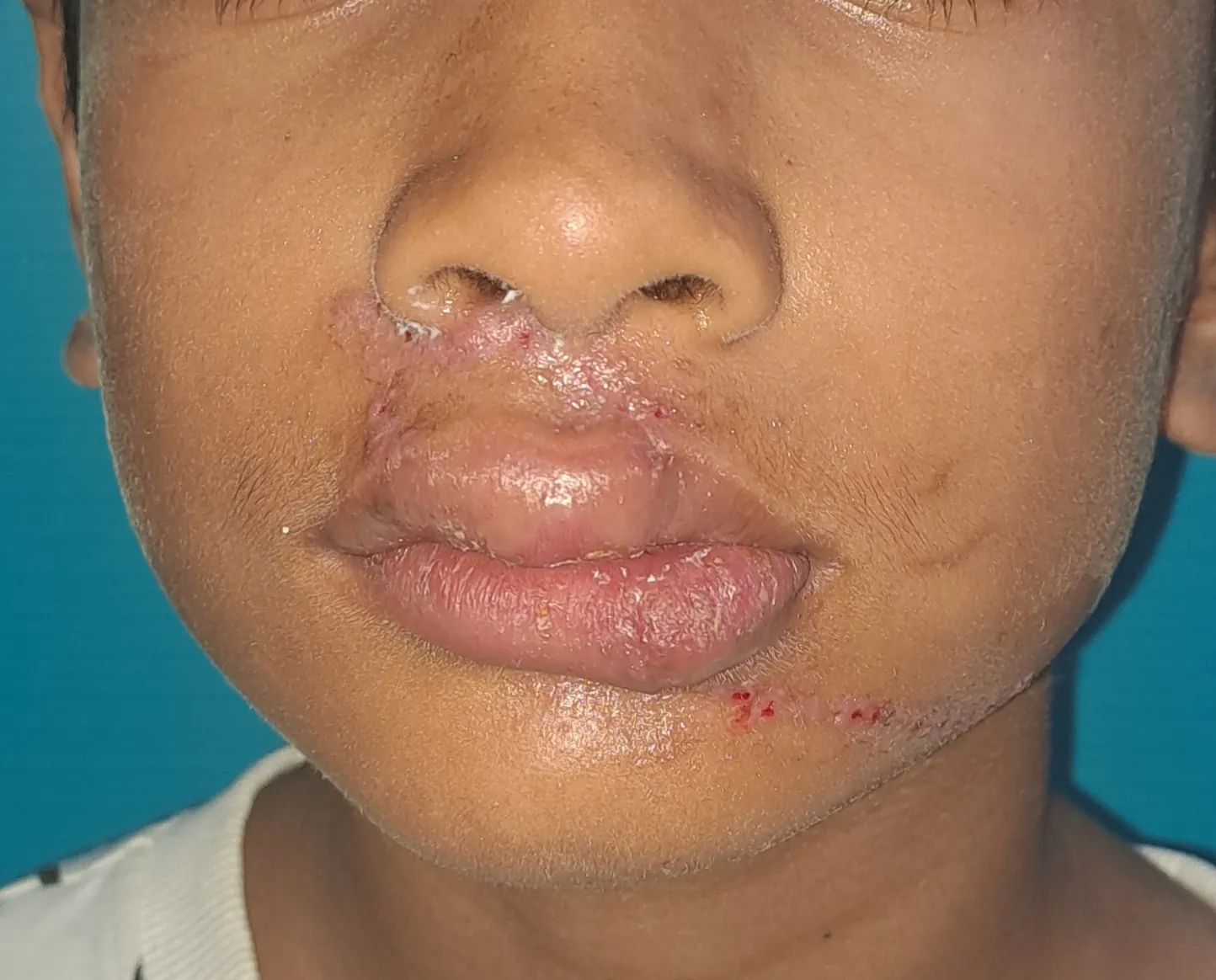
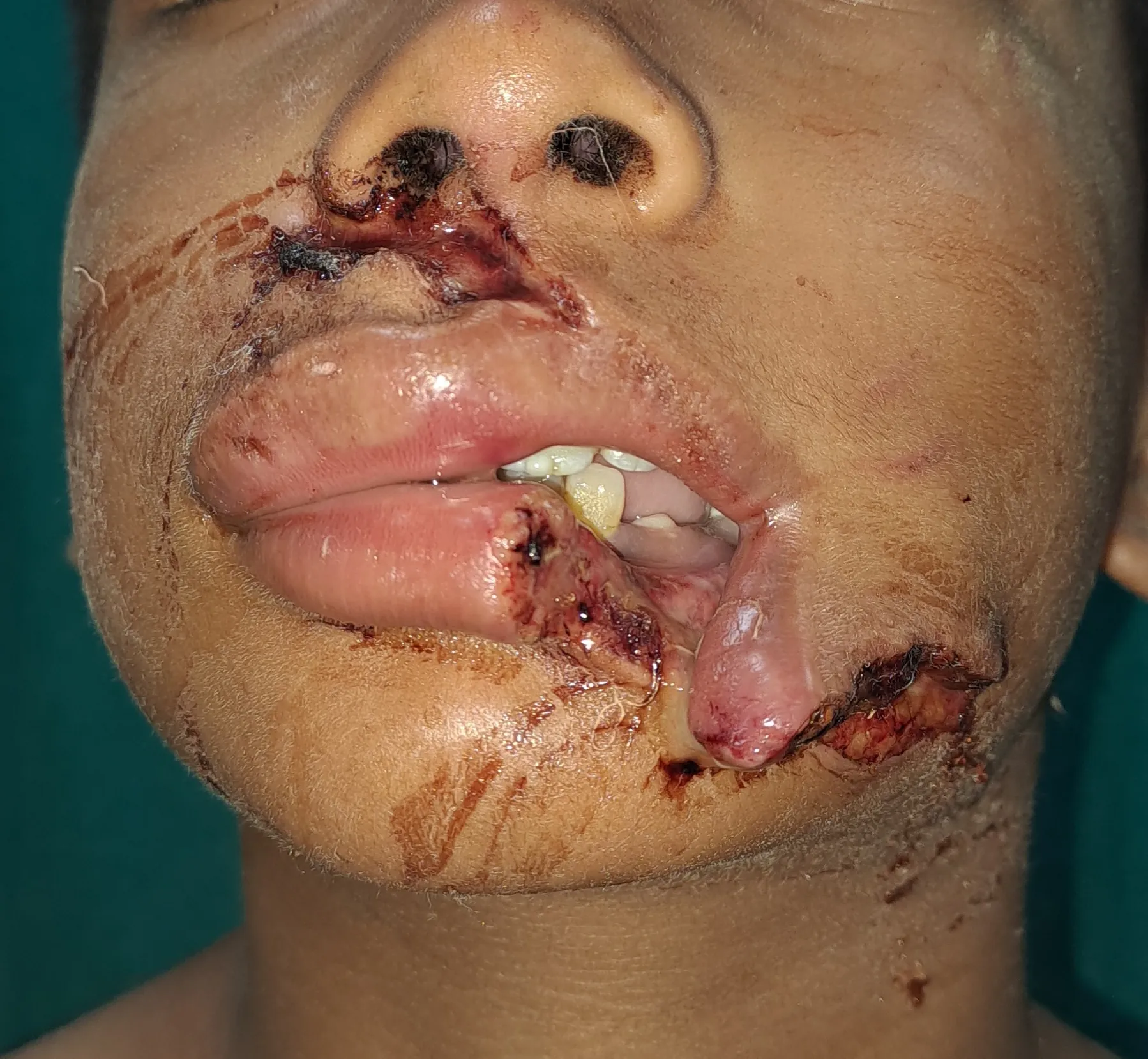
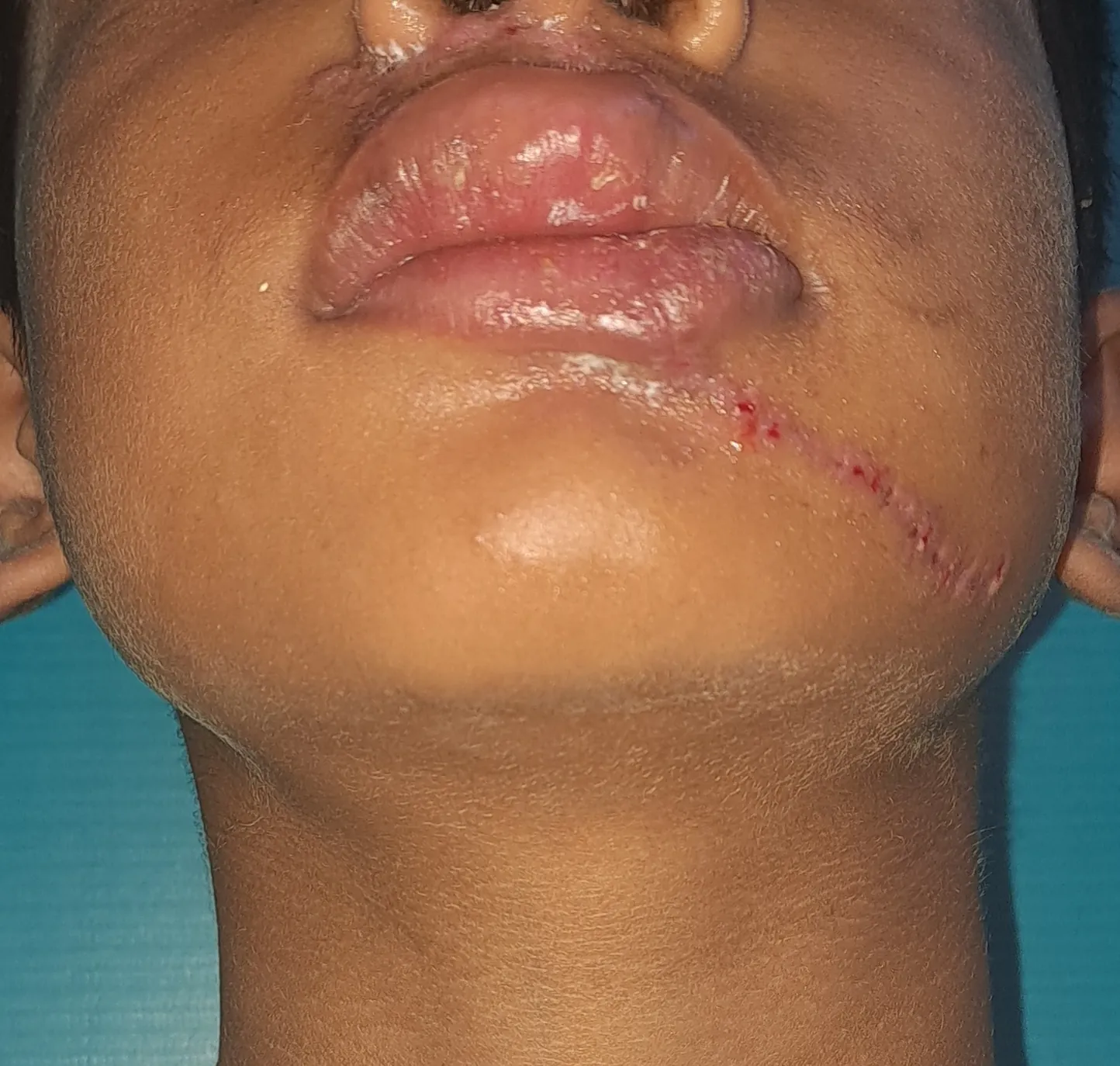
The face, a prominent part of our identity, is susceptible to various injuries caused by a range of factors. Understanding the causes and appropriate treatments for facial injuries is essential for restoring both function and aesthetics.
Interpersonal Violence: Altercations, physical confrontations, or assaults can lead to facial trauma. These injuries often involve blunt force trauma or direct impacts to the face.
Road Accidents: Motor vehicle accidents, such as car crashes, motorcycle collisions, or pedestrian accidents, frequently result in facial injuries due to the sudden impact.
Falls From Height: Falls from elevated surfaces, such as ladders, stairs, or high platforms, can lead to facial trauma, especially if the face bears the brunt of the fall.
Industrial Accidents: Work-related incidents in industries or construction sites may expose individuals to machinery, tools, or equipment that can cause facial injuries.
Sports Injuries: Participation in sports and recreational activities carries the risk of facial injuries, particularly in contact sports or those involving fast-moving projectiles.
When assessing patients with facial injuries, Dr. Amit Agarwal employs diagnostic investigations to ensure precise evaluation and effective treatment. These investigations include:
3D CT Scan: A three-dimensional CT scan of the face provides a detailed view of facial bones, aiding in identifying fractures and their exact location.
CT Scan of Head: Alongside facial trauma evaluation, a CT scan of the head is conducted to rule out head injuries that may accompany facial trauma.
Abdominal Ultrasound: This investigation is performed to rule out any damage to abdominal organs, as abdominal injuries can coincide with facial trauma.
Chest X-Ray: A chest X-ray is utilized to detect any potential fractures, air accumulation, or bleeding in the chest area.
Facial injuries encompass various soft tissue injuries, which may occur with or without facial fractures. These injuries include:
Torn Skin (Facial Laceration): Lacerations involve torn skin or scalp, which may require suturing to facilitate proper healing.
Facial Burns: Burns affecting the face can be caused by thermal factors (heat or cold) or chemical exposure.
Nerve Damage: Facial trauma can lead to nerve damage, affecting functions like sensation, smiling, blinking, eye movement, swallowing, biting, and chewing.
Tongue Laceration: Injuries to the tongue can impair a person’s ability to eat, swallow, or speak.
Salivary Gland Damage: Major salivary glands, such as the parotid or submandibular glands, may sustain damage due to facial trauma.
Timely treatment is crucial for stable patients with soft tissue injuries. The focus is on achieving the best functional results and cosmetic correction. Treatment approaches include:
Simple Abrasions: Minor abrasions typically require topical treatment.
Lacerated Wounds: Suturing is performed for lacerated wounds where the skin margins are torn apart.
Small Skin or Tissue Loss: Small skin or tissue losses can often be repaired through suturing.
Large Skin Defects: Extensive skin loss that cannot be sutured is addressed using local skin flaps from adjacent areas.
The choice of skin flaps depends on the specific location on the face:
Cheeks: Provided the laxity of the skin of the cheeks is good, small to medium-sized defects can be closed by primary stitching. Only larger gaps need to be covered by flaps, flaps used for cheek defects are V-Y advancement flaps, banner flaps, Limberg flaps, and dufourmentel flaps.
Eyelids & Lips:The defect over the eyelid and lip can be closed primarily if less than one-third of the whole length. If more than that flap from the other eyelid or lip can be taken to fill the defect
Nose: To address nose skin defects, different techniques are used based on the extent of the damage. For smaller defects in the upper half to one-third of the nose, forehead skin can be employed. In cases of more extensive damage, the Forehead flap covers the affected area, extending down to the nose tip or nostril. Defects in the lower portion of the nose, like the nose tip or nostril, can be addressed using Nasolabial or Bilobed flaps. If the columella is lost, the choice between a composite graft (skin and cartilage) or a skin graft depends on the availability of local tissues.
Scalp: Since the skin of the scalp is comparatively tighter than the rest of the head and face, the selection of flaps is also different and larger flaps are required to be used for small defects also. A few examples are bilateral advancement flap, rotation flap, local transposition flap, orticochea flap, etc.
Eyebrow: O to Z flaps provide symmetry for eyebrow defect repair.
Understanding the causes and treatments for facial injuries is vital for comprehensive care, ensuring not only functional recovery but also aesthetic restoration.
Facial injuries encompass a wide range of causes and require tailored treatments. Whether resulting from interpersonal violence, road accidents, falls, industrial mishaps, or sports injuries, the comprehensive evaluation and treatment of facial injuries are essential for restoring both form and function.
A thorough understanding of these facets ensures comprehensive and effective care for facial injuries under the guidance of an experienced surgeon like Dr. Amit.
Are you ready for a consultation?
Your treatment will be performed by board certified plastic surgeon. Schedule your appointment now!
Are you ready for a consultation?
Your treatment will be performed by board certified plastic surgeon. Schedule your appointment now!
Related Videos
A True Devotion to Healing
Where Compassionate Care Meets Advanced Medicine, Guiding You on the Path to Recovery and Well-being.
24/7 Patient Support
We understand that questions and concerns don’t have office hours. That’s why we offer round-the-clock support, ensuring you have access to the care and information you need, whenever you need it.
Premium Quality Materials
We commit to only using the highest-grade materials and the latest technology in your procedures. This commitment is our promise to you for superior outcomes and your utmost satisfaction.
Safety and Hygiene Promise
Your well-being is our top priority. Across our practice, we adhere to stringent safety and hygiene protocols, reassuring you of your safety and comfort at every step of your journey with us.
Facial Injuries encompass damage or trauma to the face, including the skin, bones, and underlying structures. Common causes include accidents, falls, sports-related injuries, and assaults.
Facial Injuries can vary in type and severity, ranging from minor bruises and cuts to fractures of the facial bones or injuries to soft tissues like the eyes, nose, or mouth.
Diagnosis of Facial Injuries involves a clinical examination, imaging studies like X-rays or CT scans to evaluate bone fractures, and specialized tests to assess eye or dental injuries.
Treatment options may include wound care, sutures, fracture reduction, dental or ophthalmic procedures, and reconstructive surgery, depending on the nature and extent of the facial injury.
Kayakriti Clinic specializes in Facial Injury management with a focus on optimizing facial aesthetics and function. Their approach includes advanced wound care, fracture reduction, and reconstructive surgery, offering a multidisciplinary team of experts for the best outcomes.
Kayakriti Clinic offers a patient-centric approach to Facial Injury treatment, providing personalized care plans, cosmetic restoration, and rehabilitation to optimize recovery and facial appearance.
Privacy is of utmost importance to us. Rest assured, all your personal and medical information is handled with strict confidentiality.
TRUST
Our Surgeon is highly qualified and internationally certified with a team of skilled staff to perform any surgical or non-surgical treatment on your body.
SAFETY
Safety is our priority. We maintain stringent protocols to ensure a secure environment for all patients and staff members.
Breast augmentation and breast reduction are two very different procedures. Augmentation (breast enlargement) increases breast volume and alters shape, usually for cosmetic or reconstructive goals. Reduction removes breast tissue and skin to make breasts smaller and relieve symptoms. In general, augmentation is chosen by patients who want fuller, more symmetrical breasts (or as reconstruction after…
Rhinoplasty, commonly known as a “nose job,” is a surgical procedure to reshape the nose. It can be performed for cosmetic enhancement of appearance or for functional improvement of breathing (and often both). If you’re medically informed and considering rhinoplasty, it’s important to understand the types of rhinoplasty, what the surgery involves, and how the…
When diet and exercise don’t address certain stubborn fat deposits, liposuction can be a safe and effective solution—when chosen for the right reasons and in the right patient. As a commonly performed body-contouring procedure, liposuction reshapes specific areas of the body rather than serving as a weight-loss method. At Kayakriti Plastic Surgery & Dental Center…