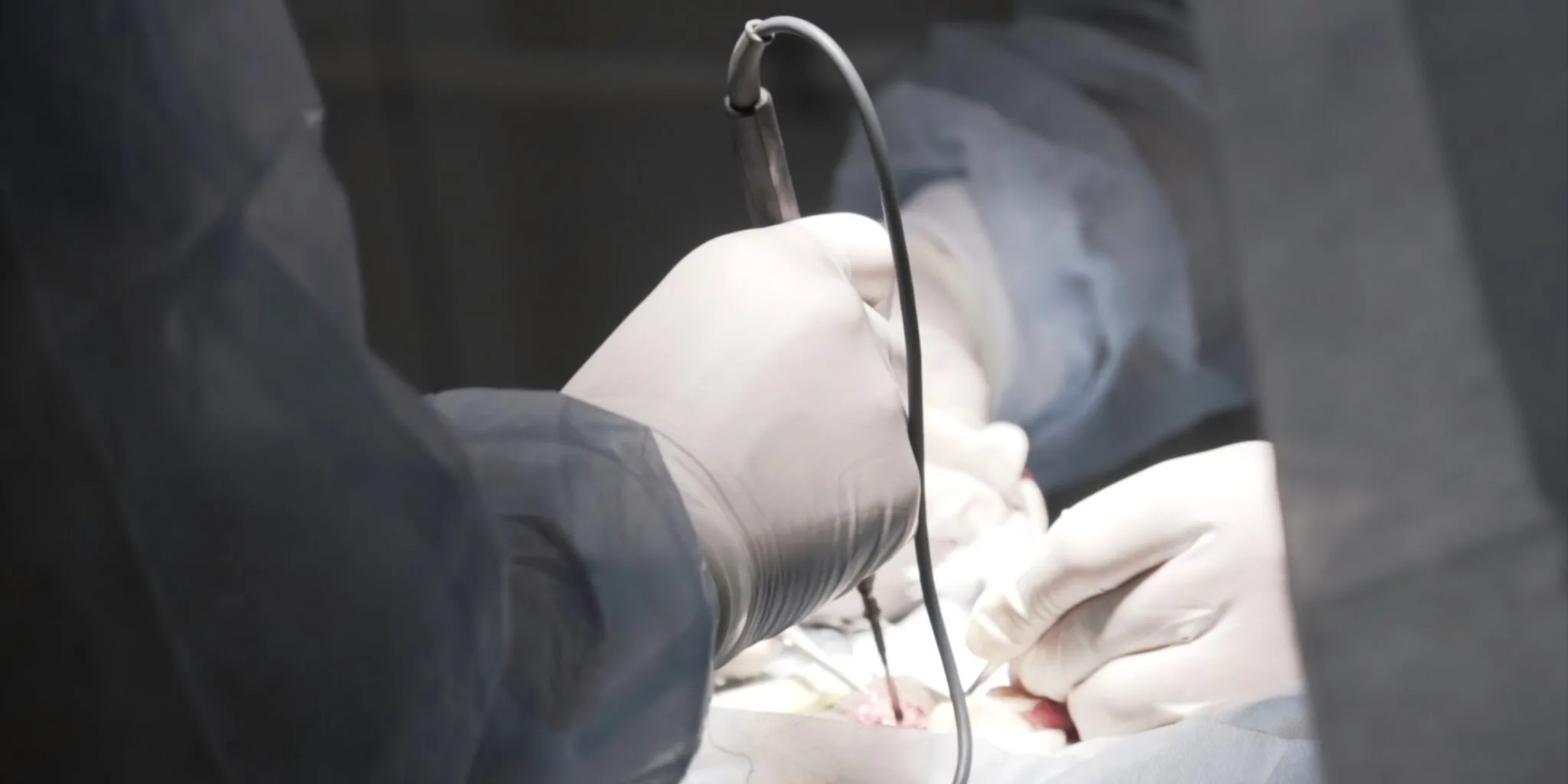
Penis reconstruction is a specialized surgical procedure that plays a pivotal role in helping individuals regain their sense of identity, function, and self-confidence. Whether due to congenital anomalies, traumatic injuries, or gender-affirming goals, this transformative surgery is designed to restore or create a functional and aesthetically pleasing penis. In this brief introduction, we will provide a glimpse into the world of penis reconstruction, shedding light on its importance and potential for individuals seeking to enhance their quality of life and well-being.
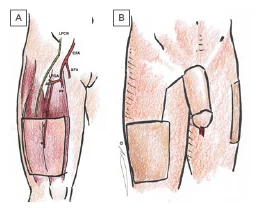
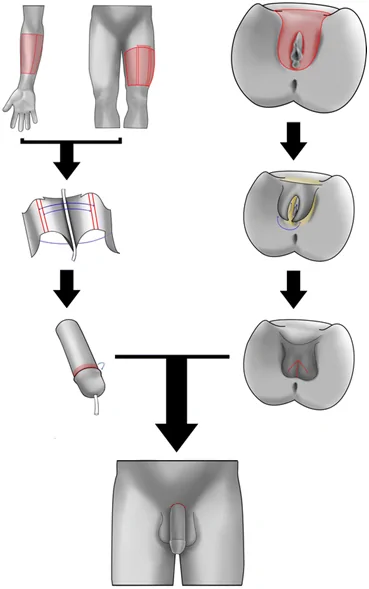
Penis reconstruction typically involves microsurgical techniques and follows a series of steps:
Creating a template of the penis in advance.
Selecting an appropriate area for reconstruction, often from the forearm or the lateral aspect of the thigh.
Harvesting a flap from the chosen site.
Transferring the flap to the absent penile area.
Making the reconstructed penis viable using microsurgery.
This procedure is technically demanding, and it’s important to discuss your expectations with Dr. Amit Agarwal before undergoing penis reconstruction surgery.
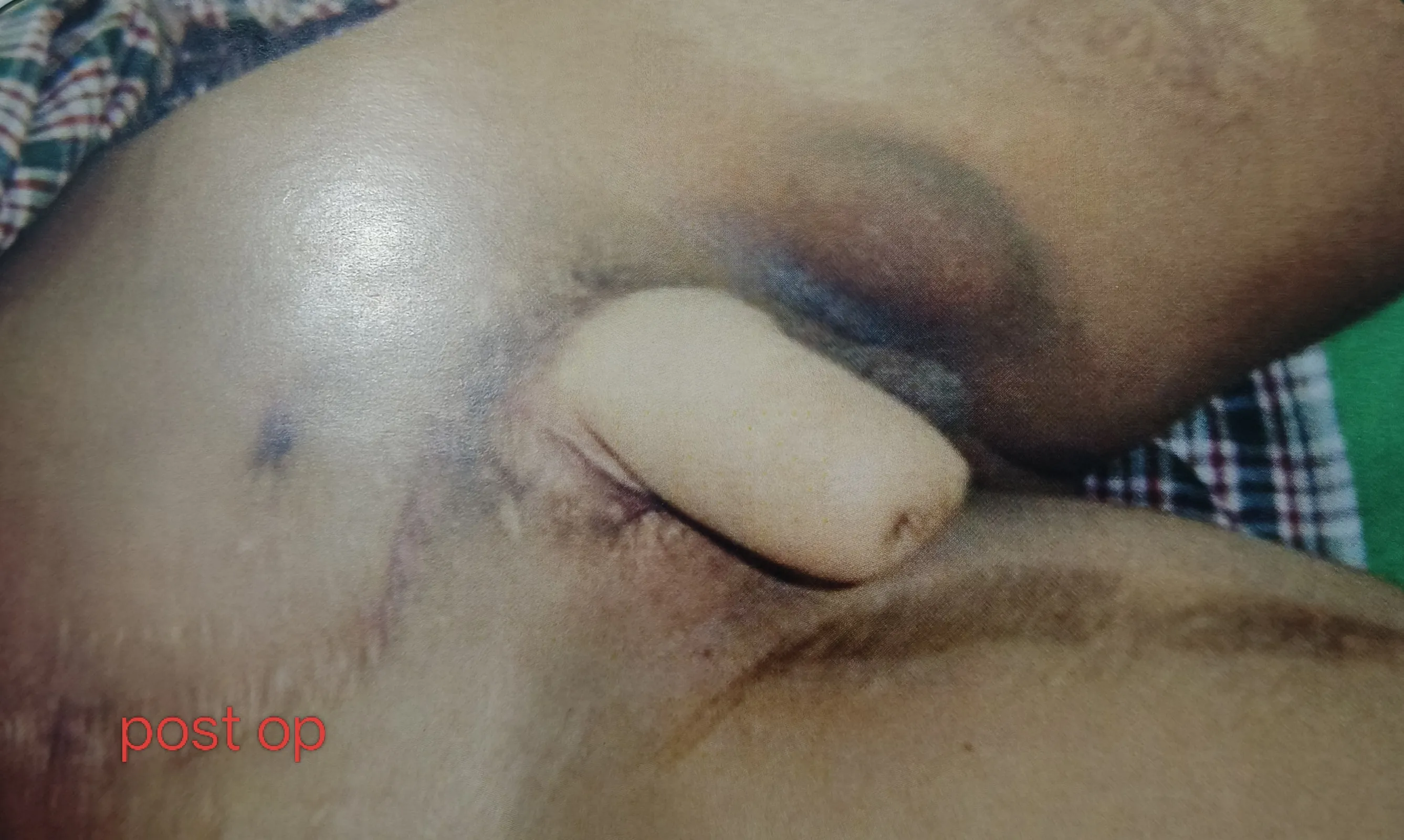
Ideally, the created penis should be cosmetically appealing, with erogenous and touch sensation, which enables the patient to void while standing and have sexual intercourse like a natural male. All the mentioned points are difficult to achieve in every case of penis reconstruction.
Penis Reconstruction is usually done by two simultaneously operating surgical teams.
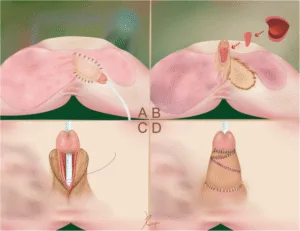
Team 1- Lengthening of the present urinary (urethral) tube is done by dissection between the scarred region of the penis, a raw area is created and recipient (acceptor) vessels are dissected for anastomoses in the groin region.
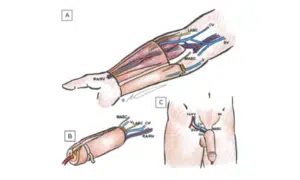
Team 2- Simultaneously, a radial forearm free flap is harvested from the forearm or Anterolateral thigh flap from the thigh to reconstruct the penis.
Radial artery flap from the forearm is universally considered the gold standard in penile reconstruction. A penis with a tube-in-a-tube technique is created.
After the urethra is lengthened and the acceptor (recipient) vessels dissected in the groin area, the harvested free flap is transferred to the pubic area.
The urinary tube (Urethra) is joined with the created tube in the flap and artery, veins are microsurgically connected to the vessels in the groin.
One nerve of the forearm is connected to the ilioinguinal nerve for protective sensation and the other nerve of the forearm is anastomosed to one of the dorsal nerves for erogenous sensation.
The defect on the forearm was covered with full-thickness skin grafts taken from the groin area or thick SSG from the thigh region.
After 6 months to 1 year of complete recovery from the surgery, Penile Implants can be placed to maintain erections & have penetrative sex. But ideally, implants should be placed in the newly created penis when sensations have returned to the tip of the glans.
Penis reconstruction helps to create a larger new penis, but this new penis cannot become erectile on its own.
The whole process of penis reconstruction requires a large number of surgical visits.
Tattooing of the glans can be done after 3-months of surgery, before sensation returns to the penis.
Sensation must be returned to the tip of the penis before the implantation of a penile erection prosthesis is done. This usually does not occur for at least a year.
You will be closely monitored as you come out of the anesthesia. It is necessary to stay in the hospital until you are sufficiently recovered to go home.
After surgery, you will be sent home usually about 10 -14 days after surgery,
During the early stages of recovery, you will be restricted to bed rest and on injectable painkillers, antibiotics, and anticoagulants to help prevent blood clots.
All patients receive a suprapubic urinary diversion after surgery.
All patients remain in bed during a two-week postoperative period, after which the transurethral catheter is removed. At that time, the suprapubic catheter is clamped, and voiding of urine from the new penis begins. Effective voiding might not be observed for several days. Before removal of the suprapubic catheter, a cystography with voiding urethrography is performed.
The average hospital stay for the phalloplasty procedure is 10 – 14 days.
By the second week, you will start to feel more comfortable physically, but your recovery will take a long time. It is natural to experience pain and soreness for a long time after genital surgery.
Surgical incisions will be monitored for scarring and infection. Your bowel movements and bladder function will be monitored.
Most people feel well enough to get back to their usual routines within four to six weeks. By this time, normal movement should not cause any pain. In some cases, healing takes longer.
It is important to avoid vigorous activity or exercise until full recovery.
Before going for the surgery, you should always understand the risks and potential complications related to surgery
Risks related to anesthesia. General Anaesthesia is very safe in present times and with the best machines and a qualified anesthetist, chances of encountering any complication are less than 0.1 percent in a healthy individual.
The ability to avoid while standing is a high priority. Unfortunately, the reported incidences of urological complications, such as urethrocutaneous fistulas, stenoses, strictures, and hairy urethras are high (30%). Correction is almost always possible and up to 99% of patients have been reported able to avoid standing from the tip of the penis after revision surgery.
Most complications of the radial forearm phalloplasty are related to the free tissue transfer. The whole flap can fail and could require additional surgery.
Risks related to Microsurgical reconstruction of flap technique like thrombosis or blood clot in the vessels of the flap, re-exploration / re-surgery to remove these clots, and flap failure is seen in less than 5 percent of cases.
Few patients develop some degree of skin slough or partial flap necrosis. This was more often the case in smokers, in those who insisted on a large-sized penis requiring a larger flap, and also in patients having undergone anastomotic revision.
Rare chances of infection which respond to prolonged antibiotic therapy.
Bleeding or hematoma formation can occur which might require drainage.
Poor wound healing because of poor blood supply of flap. Seen more commonly in smokers, diabetes, hypothyroidism, and individuals with multiple comorbidities. Poor wound healing can lead to skin discoloration which can cause marginal or total skin necrosis.
Scars will be there along the incision line which will fade with time. Scars can get hypertrophied if you are prone to it.
Rare events of Deep vein thrombosis, and pulmonary or cardiac complications can occur or precipitate in patients with multiple pre-existing diseases diagnosed or undiagnosed by routinely available standard tests.
Possibility of revision surgery.
Are you ready for a consultation?
Your treatment will be performed by board certified plastic surgeon. Schedule your appointment now!
Are you ready for a consultation?
Your treatment will be performed by board certified plastic surgeon. Schedule your appointment now!
A True Devotion to Healing
Where Compassionate Care Meets Advanced Medicine, Guiding You on the Path to Recovery and Well-being.
24/7 Patient Support
We understand that questions and concerns don’t have office hours. That’s why we offer round-the-clock support, ensuring you have access to the care and information you need, whenever you need it.
Premium Quality Materials
We commit to only using the highest-grade materials and the latest technology in your procedures. This commitment is our promise to you for superior outcomes and your utmost satisfaction.
Safety and Hygiene Promise
Your well-being is our top priority. Across our practice, we adhere to stringent safety and hygiene protocols, reassuring you of your safety and comfort at every step of your journey with us.
Penis Reconstruction Surgery is a medical procedure aimed at restoring or reconstructing the penis in individuals who have experienced trauma, injury, or congenital abnormalities affecting the penis.
Common reasons for considering Penis Reconstruction Surgery may include traumatic injuries, congenital anomalies, gender-affirming surgeries, or cancer treatments that result in penile loss or deformity.
The benefits may include improved appearance, function, and psychological well-being. Risks can include complications related to surgery, anesthesia, and the need for follow-up procedures.
The decision to undergo Penis Reconstruction Surgery is based on a comprehensive evaluation, taking into account the individual’s medical history, physical condition, personal goals, and the specific reasons for reconstruction.
Surgical techniques can vary and may involve tissue grafts, flaps, or prosthetic implants. The choice of method depends on the specific circumstances and the individual’s goals.
Recovery includes post-operative care, wound management, and follow-up visits. Rehabilitation and sexual counseling may also be provided to help individuals regain sexual function and satisfaction.
Privacy is of utmost importance to us. Rest assured, all your personal and medical information is handled with strict confidentiality.
TRUST
Our Surgeon is highly qualified and internationally certified with a team of skilled staff to perform any surgical or non-surgical treatment on your body.
SAFETY
Safety is our priority. We maintain stringent protocols to ensure a secure environment for all patients and staff members.
Breast augmentation and breast reduction are two very different procedures. Augmentation (breast enlargement) increases breast volume and alters shape, usually for cosmetic or reconstructive goals. Reduction removes breast tissue and skin to make breasts smaller and relieve symptoms. In general, augmentation is chosen by patients who want fuller, more symmetrical breasts (or as reconstruction after…
Rhinoplasty, commonly known as a “nose job,” is a surgical procedure to reshape the nose. It can be performed for cosmetic enhancement of appearance or for functional improvement of breathing (and often both). If you’re medically informed and considering rhinoplasty, it’s important to understand the types of rhinoplasty, what the surgery involves, and how the…
When diet and exercise don’t address certain stubborn fat deposits, liposuction can be a safe and effective solution—when chosen for the right reasons and in the right patient. As a commonly performed body-contouring procedure, liposuction reshapes specific areas of the body rather than serving as a weight-loss method. At Kayakriti Plastic Surgery & Dental Center…