Microsurgery has revolutionized modern medicine by enabling the reconstruction and restoration of various body parts, including hands, feet, faces, and more. These techniques can prevent limb amputations in cases of trauma, diseases, tumors, and cancer. Amputation is now considered only when microsurgery has exhausted its options or when a patient’s life is at risk.
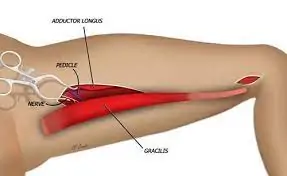
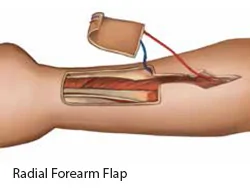
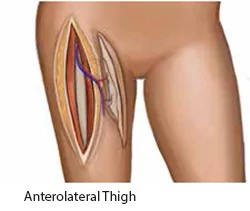
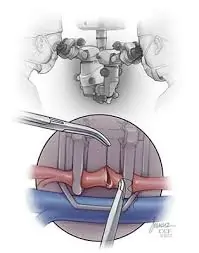
Microsurgical free flap is a complex procedure where a section of skin and soft tissue, along with its blood vessels, is carefully removed from one part of the body and transplanted to a different location. Microscopic stitches, performed under high magnification, are used to connect the blood vessels of the flap to those in the recipient area.
Diabetic Foot: Diabetic foot often leads to deep infections reaching the bone, hindering daily activities and, if left untreated, posing life-threatening risks. Microvascular surgery is essential for removing infected tissues and reconstructing the foot.
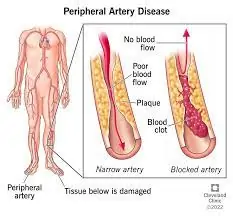
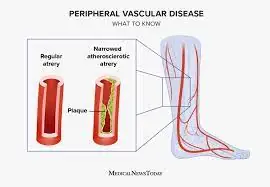
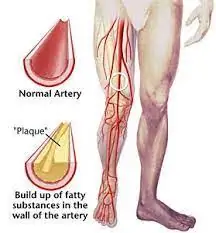
Peripheral Vascular Disease: Patients with poor blood flow in limbs causing ulcers and gangrene can be saved through microvascular bypass surgeries, restoring proper blood circulation.
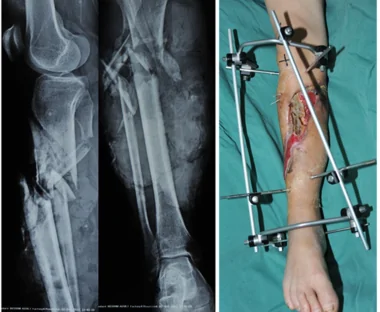
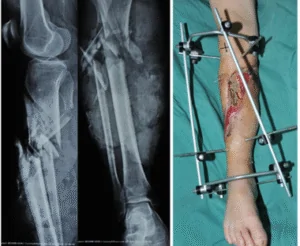
Accidental Fractures: Severe limb injuries from accidents or violence may necessitate multiple reconstructive surgeries, including external fixation, internal plating, and microsurgical interventions.
Orthopedic treatment is required first to fix the bony injury with an external fixator or internal plating or nailing.
The role of a plastic surgeon is immense in the management of such injuries.
Without intact skin and soft tissues, the underlying fractures never unite.
Plastic surgeons also repair the damaged muscles, tendons, nerves, and vessels so that the limb may function well.
Reimplantation: Plastic surgeons specialize in reattaching severed hands and fingers, a procedure known as reimplantation.
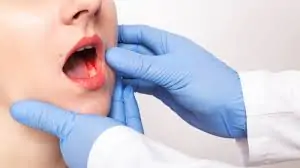
Large Tumors and Cancers: Extensive tumors or skin cancers that once required amputation can now be treated with microsurgery.
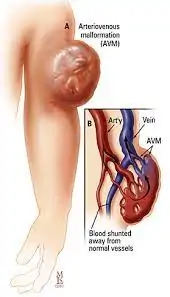
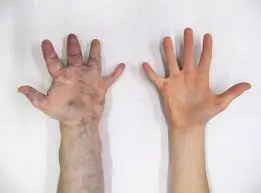
Vascular Malformations: Extensive vascular malformations may require debulking surgery, followed by microsurgical reconstruction to restore limb function.
Flap Harvesting: The flap is harvested from a suitable donor site.
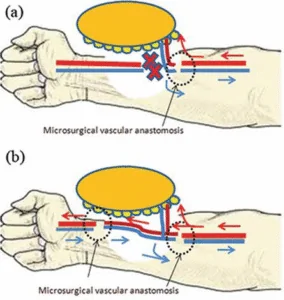
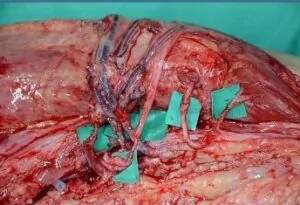
Microscopic Anastomosis: Using high-magnification microscopy, the flap’s blood vessels (artery and veins) are connected to those in the recipient area.
Dr. Amit Agarwal specializes in microvascular reconstructions, with an impressive success rate of around 80%-90%, saving 80-90 out of 100 limbs from amputation.
Microsurgery results can be unpredictable due to various factors, including blood vessel status, patient immunity, overall health, and protein levels. Complications may include thrombosis, re-exploration surgeries, flap failure, and partial flap necrosis, particularly in smokers or those needing extensive procedures.
Microsurgery, with its diverse applications, offers hope to patients facing limb-threatening conditions. Early intervention and expert surgical care, such as that provided by Dr. Amit Agarwal, significantly increase the chances of preserving limb function and improving overall quality of life. Post-surgery care and management play crucial roles in ensuring successful outcomes.
Are you ready for a consultation?
Your treatment will be performed by board certified plastic surgeon. Schedule your appointment now!
Are you ready for a consultation?
Your treatment will be performed by board certified plastic surgeon. Schedule your appointment now!
A True Devotion to Healing
Where Compassionate Care Meets Advanced Medicine, Guiding You on the Path to Recovery and Well-being.
24/7 Patient Support
We understand that questions and concerns don’t have office hours. That’s why we offer round-the-clock support, ensuring you have access to the care and information you need, whenever you need it.
Premium Quality Materials
We commit to only using the highest-grade materials and the latest technology in your procedures. This commitment is our promise to you for superior outcomes and your utmost satisfaction.
Safety and Hygiene Promise
Your well-being is our top priority. Across our practice, we adhere to stringent safety and hygiene protocols, reassuring you of your safety and comfort at every step of your journey with us.
Microsurgical Free Flaps are advanced surgical techniques involving the transfer of tissue from one part of the body to another to reconstruct damaged areas. They are employed in cases of traumatic injuries, cancer excisions, or severe infections where tissue loss has occurred.
Microsurgical Free Flaps can be categorized into various types, each suited for specific tissue reconstruction needs. Their selection depends on factors such as location, tissue type, and the extent of the defect.
The feasibility and suitability of Microsurgical Free Flaps are determined through a thorough evaluation by the surgical team. Factors considered include the patient’s overall health, the extent of tissue loss, and the desired functional outcome.
The surgical process involves meticulous tissue dissection, vessel anastomosis, and wound closure under a microscope. Recovery periods vary depending on the procedure but typically include wound care, physical therapy, and close monitoring.
Kayakriti Clinic specializes in Microsurgical Free Flaps with a focus on precision, innovative techniques, and a team of experienced microsurgeons to achieve the best outcomes in limb preservation and functional restoration.
Kayakriti Clinic offers a patient-centric approach to Microsurgical Free Flaps, providing a supportive environment, personalized rehabilitation plans, and advanced wound management to optimize patient recovery.
Privacy is of utmost importance to us. Rest assured, all your personal and medical information is handled with strict confidentiality.
TRUST
Our Surgeon is highly qualified and internationally certified with a team of skilled staff to perform any surgical or non-surgical treatment on your body.
SAFETY
Safety is our priority. We maintain stringent protocols to ensure a secure environment for all patients and staff members.
Breast augmentation and breast reduction are two very different procedures. Augmentation (breast enlargement) increases breast volume and alters shape, usually for cosmetic or reconstructive goals. Reduction removes breast tissue and skin to make breasts smaller and relieve symptoms. In general, augmentation is chosen by patients who want fuller, more symmetrical breasts (or as reconstruction after…
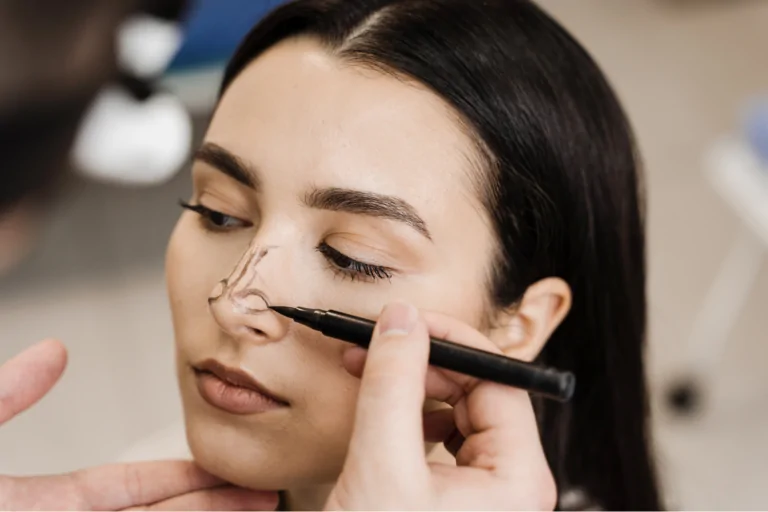
Rhinoplasty, commonly known as a “nose job,” is a surgical procedure to reshape the nose. It can be performed for cosmetic enhancement of appearance or for functional improvement of breathing (and often both). If you’re medically informed and considering rhinoplasty, it’s important to understand the types of rhinoplasty, what the surgery involves, and how the…
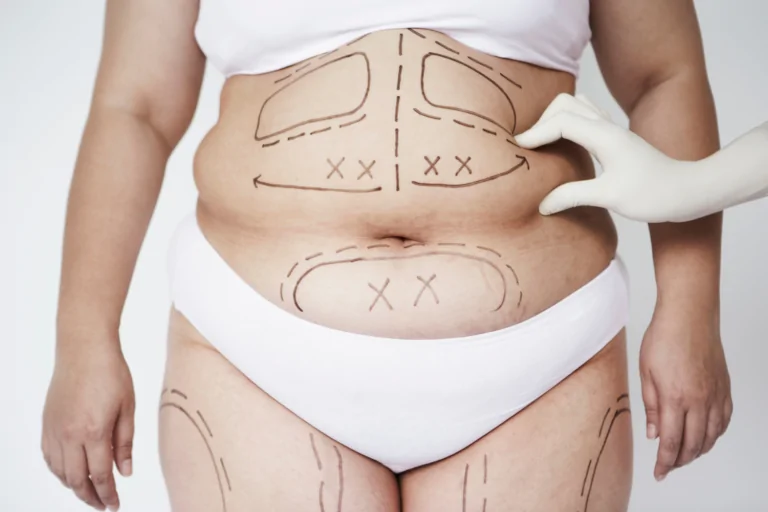
When diet and exercise don’t address certain stubborn fat deposits, liposuction can be a safe and effective solution—when chosen for the right reasons and in the right patient. As a commonly performed body-contouring procedure, liposuction reshapes specific areas of the body rather than serving as a weight-loss method. At Kayakriti Plastic Surgery & Dental Center…