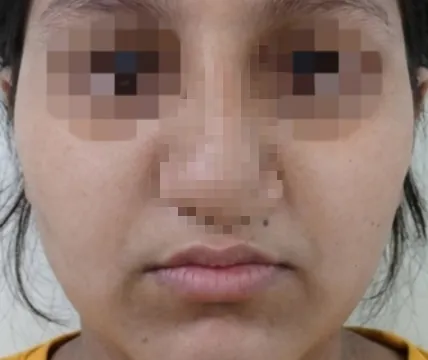

The Buccal Fat Pad, a naturally occurring pad of fat within the cheek hollow area, contributes to the facial contours and appearance. Its size and volume vary among individuals and are unrelated to overall body fat. This unique pad can even exist in those with a leaner facial profile. Despite its natural presence, buccal fat pads can influence facial proportions, potentially resulting in cheeks that seem disproportionate to other facial features. To address this concern and achieve more harmonious facial contours, individuals often consider the surgical solution known as Buccal Fat Removal, also referred to as cheek fat removal or buccal lipectomy. This procedure effectively reshapes the facial appearance by targeting the cheek hollows, offering a solution to genetics-related or weight gain-induced chubby cheeks.
It’s important to note that buccal fat removal techniques are best suited for individuals with fuller cheeks, as opposed to those with thin or narrow faces. The procedure offers the following potential benefits:
More Defined Cheeks: Buccal fat removal allows for better cheek definition and enhanced facial contours.
Improved Facial Contours: The surgical reduction of buccal fat pads can lead to a more balanced and aesthetically pleasing facial structure.
Rejuvenated Facial Shape: By removing excess buccal fat, the face can appear more youthful and revitalized.
Enhanced Facial Appearance: Patients often experience increased self-confidence as their facial proportions become more proportionate and balanced.
Prior to undergoing buccal fat removal, thorough discussions during the consultation phase are essential. Focus on the following points:
Surgical Goals and Desired Outcomes: Clearly communicate your reasons for considering the surgery and your expectations from the procedure.
Medical History and Medications: Disclose any previous surgeries, ongoing medications, herbal supplements, and drug use to ensure a comprehensive understanding of your health.
Tobacco and Alcohol Use: Be honest about your use of tobacco and alcohol, as these factors can impact the success of the procedure.
Physical Health: A healthy physical condition is important for a successful surgery and recovery.
Facial Ratio and Profile: Individuals with facial proportions suitable for the procedure, where buccal pads are more in ratio with the overall face, are ideal candidates.
Non-Smoker Preference: While not mandatory, being a non-smoker can contribute to optimal healing and results.
Motivation and Realistic Expectations: Candidates should have a genuine desire for the procedure and maintain realistic expectations about the outcomes.
Kayakriti stands out as a reputable choice for buccal pad fat removal surgery in Lucknow, offering a personalized and comprehensive approach to patient care. The consultation process involves:
Detailed Face Examination: Kayakriti’s expert team examines your face and focuses on areas of concern to tailor the procedure to your needs.
Comprehensive Health Assessment: Your overall health and potential risk factors are thoroughly assessed to ensure your safety and successful results.
Exploration of Options: The consultation includes a discussion of alternative options and addressing any additional concerns on the face.
Photographic Documentation: Photographs are taken to document the baseline appearance and track progress throughout the procedure.
Procedure Explanation: You are informed about the procedure itself, its expected outcomes, and potential risks or complications.
The buccal fat removal procedure at Kayakriti follows these steps:
Step 1: Sedation and Anesthesia
The procedure begins with the administration of sedation or local anesthesia. If preferred, IV sedation or general anesthesia may be utilized.
Step 2: Incision and Exposure
An incision is made inside the mouth to access the buccal fat pads. Through careful dissection, the buccal pad fat is exposed. Gentle pressure is applied externally to enhance visibility.
Step 3: Fat Removal and Closure
Excess buccal fat is carefully excised, and the incisions are meticulously closed using sutures placed within the mouth. Avoiding disturbance of the sutures with the tongue is essential for proper healing.
Step 4: View Results
Following the surgery, the outcome becomes evident—a more contoured and refined cheek appearance, particularly within the cheek hollow area.
Post-surgery, the recovery period is typically brief, lasting 2-3 days. Most individuals can resume normal activities, including work and college, within two days. During the initial hours, no food or drink is allowed, followed by a soft food or liquid diet for a week. Symptoms during recovery include:
Mild Irritation or Pain: Mild discomfort may persist for a week or two, manageable with pain medications.
Soft Diet Recommendation: A soft diet is advised to minimize discomfort.
Antiseptic Gargling: Thrice-daily antiseptic gargling is recommended.
Dissolvable Sutures: The sutures placed within the cheeks are self-dissolvable, eliminating the need for suture removal.
Smoking and Alcohol Avoidance: Smokers and drinkers should abstain for a month after surgery.
Swelling and Bruising: Mild facial swelling and bruising may occur initially but should subside as healing progresses.
Return to Normal Lifestyle: Resuming regular activities is possible within a week.
Confidence Boost: After approximately two weeks, patients often experience increased confidence due to their refined facial profile.
Dr. Amit Agarwal provides specific instructions for aftercare, including surgical site care, medication management, and follow-up appointments.
As with any surgical procedure, buccal fat pad removal carries potential risks and complications that depend on the candidate’s physical condition. These include:
Mild Pain: Temporary mild pain can be managed with medications.
Prolonged Swelling and Discoloration: In rare cases, extended swelling and minor skin discoloration may occur.
Infection: Proper adherence to post-op instructions is crucial to prevent infection.
Bleeding and Hemat
Are you ready for a consultation?
Your treatment will be performed by board certified plastic surgeon. Schedule your appointment now!
Are you ready for a consultation?
Your treatment will be performed by board certified plastic surgeon. Schedule your appointment now!
Related Videos
A True Devotion to Healing
Where Compassionate Care Meets Advanced Medicine, Guiding You on the Path to Recovery and Well-being.
24/7 Patient Support
We understand that questions and concerns don’t have office hours. That’s why we offer round-the-clock support, ensuring you have access to the care and information you need, whenever you need it.
Premium Quality Materials
We commit to only using the highest-grade materials and the latest technology in your procedures. This commitment is our promise to you for superior outcomes and your utmost satisfaction.
Safety and Hygiene Promise
Your well-being is our top priority. Across our practice, we adhere to stringent safety and hygiene protocols, reassuring you of your safety and comfort at every step of your journey with us.
If buccal pad fat removal is the only procedure you are having performed then it can easily be done under just local anesthesia. However, if the buccal pad fat removal surgery is being combined with additional procedures that require deeper anesthesia, then it would simply be included in the overall plan.
During the procedure you will not feel any pain but there may be some pain and swelling during the recovery process which will be taken care of using pain medications.
Quitting smoking is a perfect solution even without surgery as it involves many health risks, but it’s totally up to your wish whether you want to quit or not. But you are advised to stop smoking at least two weeks before the surgery.
Both buccal fat pad removal and reduction procedures involve the removal of excess fat pads from the cheeks. During these procedures, Dr. Amit Agarwal eliminates the excess fat pads from the cheeks, resulting in a balanced, youthful-looking facial appearance.
The final results of buccal fat pad removal usually become visible a month after surgery once the swellings have subsided. However, buccal fat pad removal results vary based on a patient’s diet and other factors. In some instances, weight gain or weight loss after buccal fat pad removal impacts treatment results. The natural aging process also causes facial wrinkles, sagging skin, and other skin issues that may affect buccal fat pad removal results.
Privacy is of utmost importance to us. Rest assured, all your personal and medical information is handled with strict confidentiality.
TRUST
Our Surgeon is highly qualified and internationally certified with a team of skilled staff to perform any surgical or non-surgical treatment on your body.
SAFETY
Safety is our priority. We maintain stringent protocols to ensure a secure environment for all patients and staff members.
Breast augmentation and breast reduction are two very different procedures. Augmentation (breast enlargement) increases breast volume and alters shape, usually for cosmetic or reconstructive goals. Reduction removes breast tissue and skin to make breasts smaller and relieve symptoms. In general, augmentation is chosen by patients who want fuller, more symmetrical breasts (or as reconstruction after…
Rhinoplasty, commonly known as a “nose job,” is a surgical procedure to reshape the nose. It can be performed for cosmetic enhancement of appearance or for functional improvement of breathing (and often both). If you’re medically informed and considering rhinoplasty, it’s important to understand the types of rhinoplasty, what the surgery involves, and how the…
When diet and exercise don’t address certain stubborn fat deposits, liposuction can be a safe and effective solution—when chosen for the right reasons and in the right patient. As a commonly performed body-contouring procedure, liposuction reshapes specific areas of the body rather than serving as a weight-loss method. At Kayakriti Plastic Surgery & Dental Center…