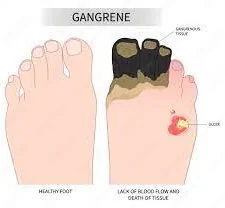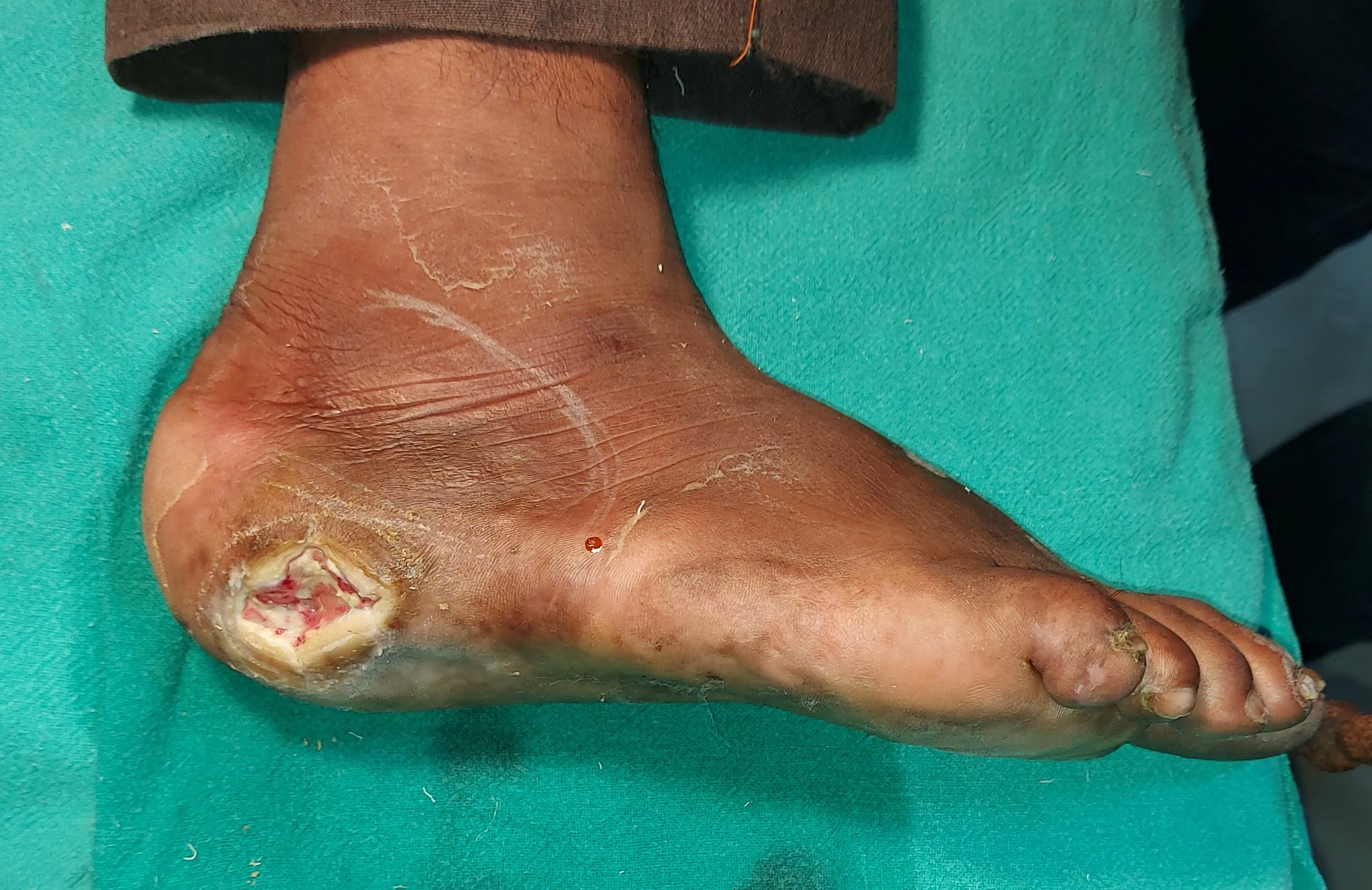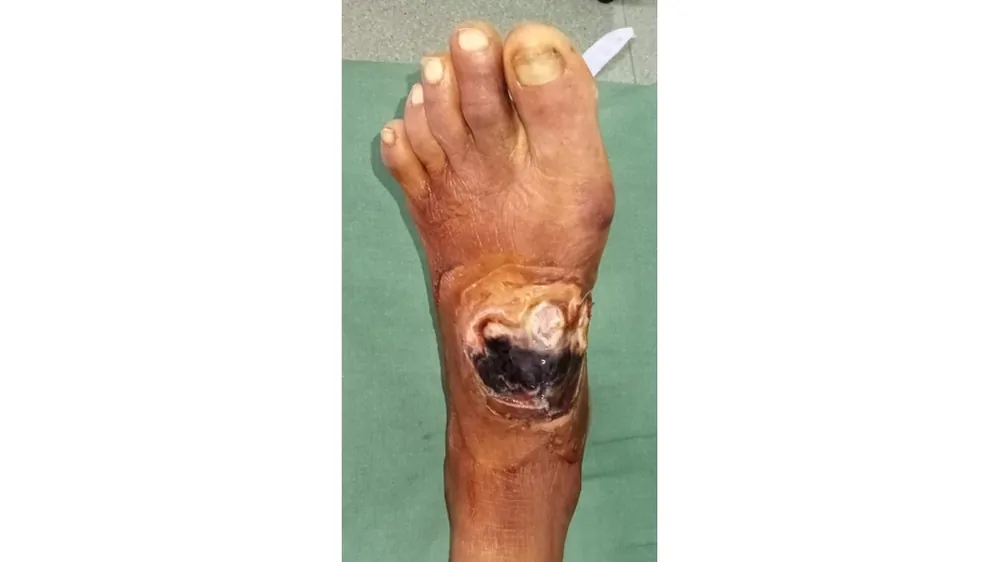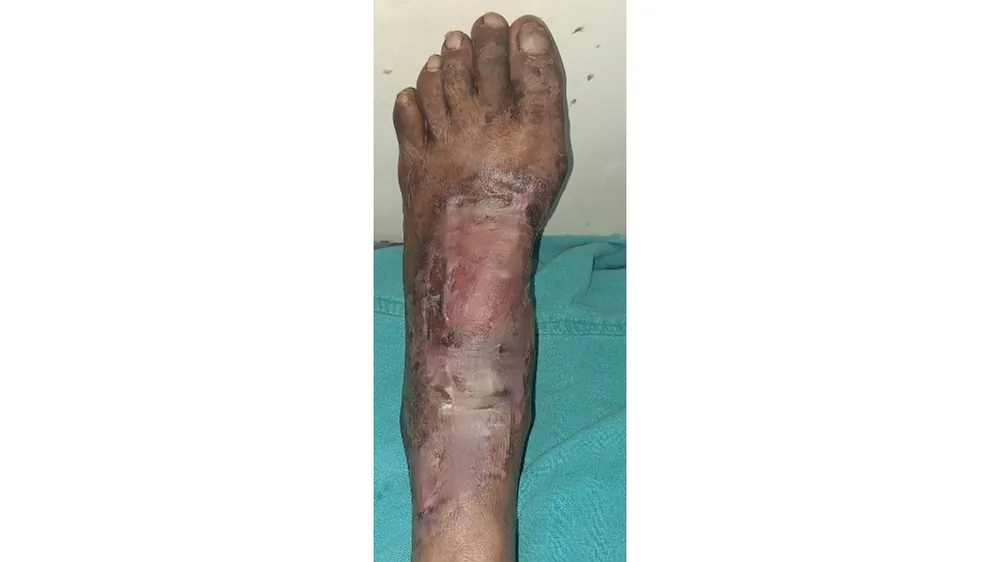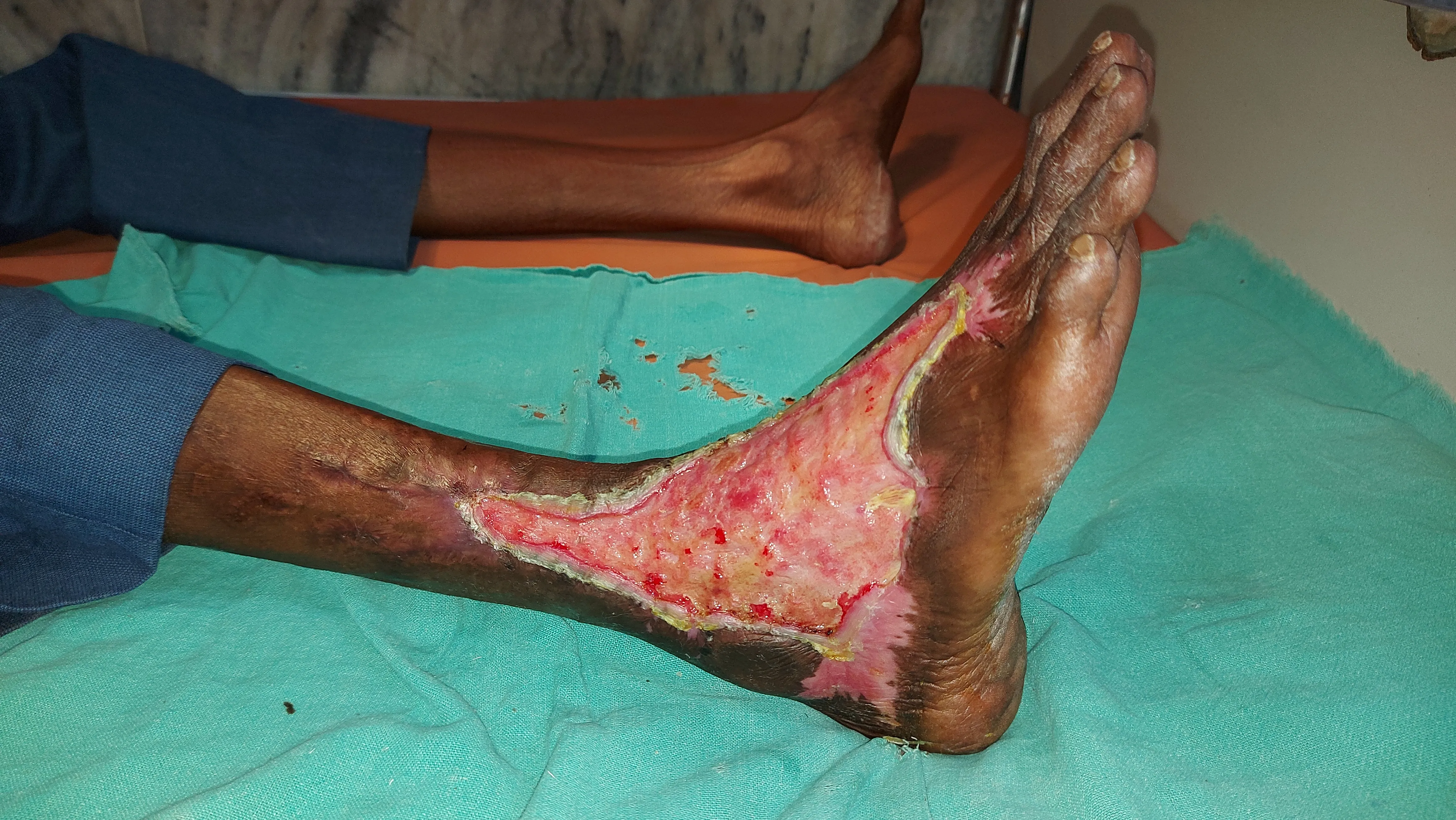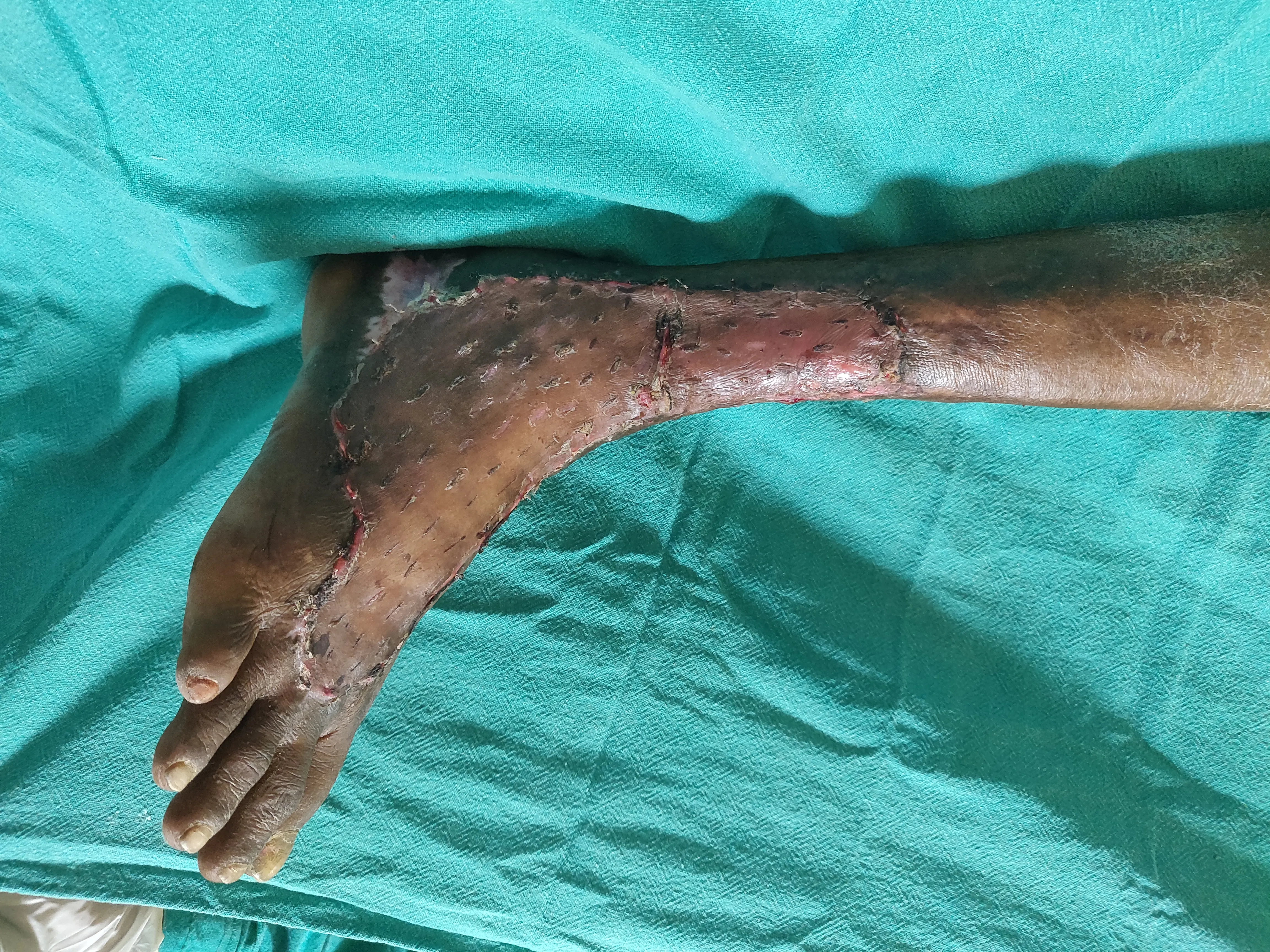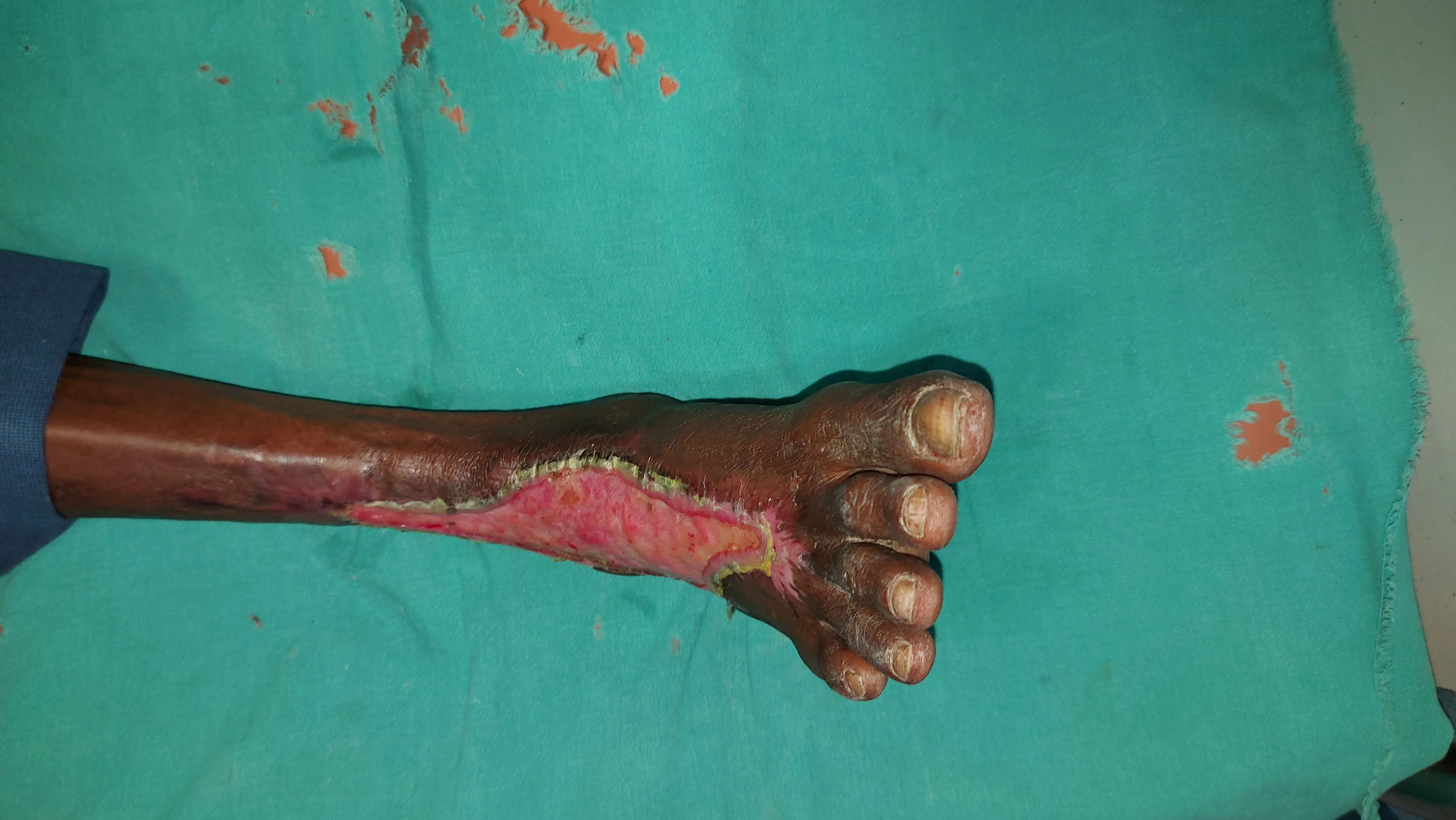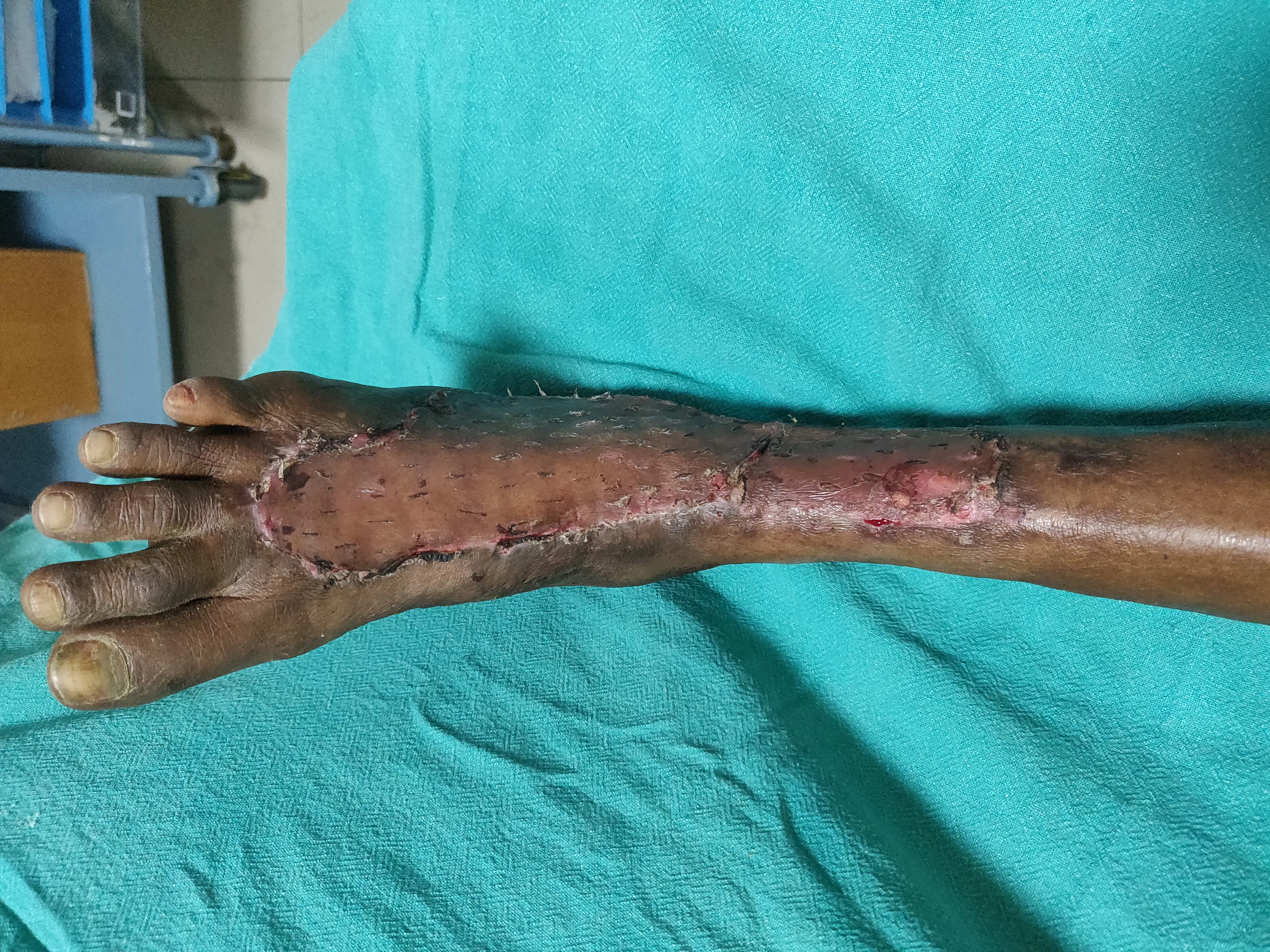
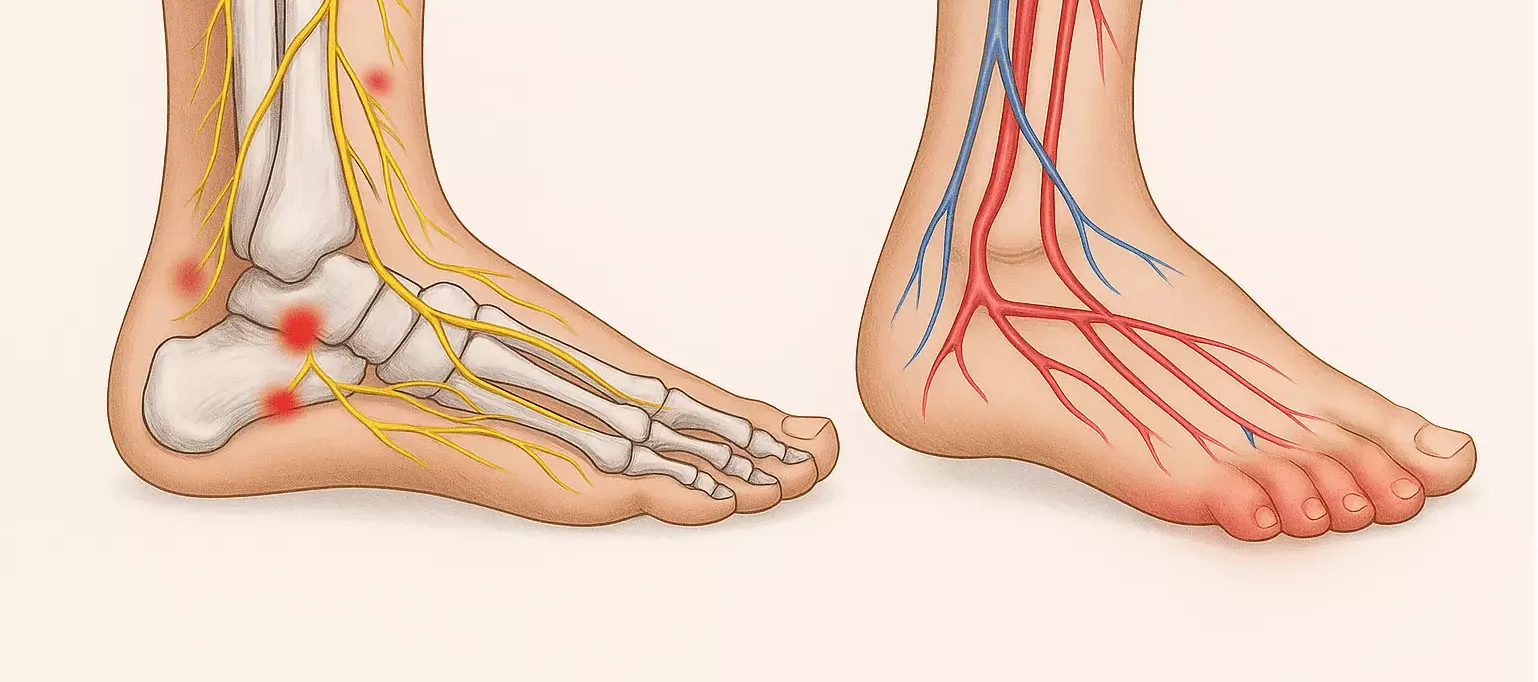
Patients with diabetes should perform daily foot checks and consult a plastic surgeon promptly to prevent the progression of diabetic foot infections. Some emergency conditions, if left untreated, can lead to foot or leg loss and even endanger lives. These conditions include infective-
abscesses,
cellulitis,
necrotizing fasciitis, and myositis, all of which can result in limb gangrene.
The primary goal in treating these emergencies is to drain pus or excess fluid, alleviate pain, and save the patient’s life and limb by halting the infection’s further progression. Treatment also involves identifying the causative organism through blood culture reports and administering appropriate antibiotics. Simultaneously, blood sugar levels must be monitored and controlled through insulin injections or oral medications.
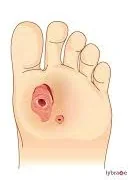
Abscesses, localized collections of pus, can develop in various body parts, including the legs or feet of diabetic patients. Symptoms include throbbing pain around the abscess and fever. To treat an abscess, incision and drainage surgery are required.
Without prompt treatment, abscesses can grow in size, eventually bursting or spreading inward. This can lead to more severe infections such as cellulitis and necrotizing fasciitis throughout the limb. Therefore, timely intervention under the guidance of a plastic surgeon is crucial to prevent the infection from progressing throughout the body.
Cellulitis is characterized by diffuse swelling and redness of the leg, often accompanied by pain and fever. The affected skin appears stretched and shiny due to the spread of inflammatory exudate in the subcutaneous and fascial planes.
To treat cellulitis, patients are typically admitted to the hospital and started on broad-spectrum antibiotics. Bed rest with elevated legs helps reduce edema.
Regular dressings assist in decreasing swelling through osmotic effects. Patients are discharged from the hospital after 5-7 days of intravenous medications, transitioning to oral antibiotics as needed.
Persistent or worsening swelling can lead to compartment syndrome, a condition involving increased pressure within muscle compartments, causing severe pain. If not promptly relieved, compartment syndrome can have life-threatening consequences by facilitating the spread of infection throughout the body.
Urgent surgery, known as fasciotomy, is required in such cases. For large and contaminated wounds, debridement is performed alongside fasciotomy.
After initial treatment, Negative Pressure Wound Therapy (VAC) is employed to reduce toxins and infection within the body. Once the wound is healthy, skin grafting becomes the definitive procedure.
Destructive infection of the skin and soft tissues. The patient develops sudden pain in the affected area and gross swelling of the leg with rapid change in skin color to fiercer red and angry-looking skin.
The affected part will be red and multiple patches of skin necrosis (black-colored skin). High-grade fever, jaundice, and renal abnormality may occur in untreated cases.
A few cases referred to us are so debilitated and in bad condition with renal failure and septicemia, that even performing surgery on them is riskier and it requires a lot of understanding and support on the part of the attendants.
Once the wound is healthy, skin grafting may be done if the defect is not very deep.
If the defect is deep and any vital structures are visible, like blood vessels, nerve, bone, or tendons exposed, in such cases, local flaps from the surrounding area of ample tissues or microsurgical-free flaps from other areas of the body are done.
Recognizing and promptly treating diabetic foot infections, especially urgent conditions like abscesses, cellulitis, and necrotizing fasciitis, are critical for preventing severe complications and preserving the patient’s limb and life. Daily foot assessments, timely consultation with Dr. Amit, and proper medical guidance are essential components of diabetic foot care.
Are you ready for a consultation?
Your treatment will be performed by board certified plastic surgeon. Schedule your appointment now!
Are you ready for a consultation?
Your treatment will be performed by board certified plastic surgeon. Schedule your appointment now!
A True Devotion to Healing
Where Compassionate Care Meets Advanced Medicine, Guiding You on the Path to Recovery and Well-being.
24/7 Patient Support
We understand that questions and concerns don’t have office hours. That’s why we offer round-the-clock support, ensuring you have access to the care and information you need, whenever you need it.
Premium Quality Materials
We commit to only using the highest-grade materials and the latest technology in your procedures. This commitment is our promise to you for superior outcomes and your utmost satisfaction.
Safety and Hygiene Promise
Your well-being is our top priority. Across our practice, we adhere to stringent safety and hygiene protocols, reassuring you of your safety and comfort at every step of your journey with us.
Diabetic Foot Infections are bacterial or fungal infections that affect the feet of individuals with diabetes. They are a concern because diabetes can lead to reduced blood flow and nerve damage, making the feet more susceptible to infections.
Common types of Diabetic Foot Infections include cellulitis, abscesses, and ulcers. Symptoms may include redness, swelling, warmth, drainage, and sometimes fever.
Diagnosis of Diabetic Foot Infections involves a clinical examination, blood tests, and imaging studies like X-rays or MRI to determine the extent of the infection and its potential impact on surrounding tissues.
Treatment options for Diabetic Foot Infections may include antibiotics, wound care, and surgical drainage in severe cases. The goal is to eliminate the infection, promote wound healing, and prevent further complications.
Kayakriti Clinic specializes in diagnosing and treating Diabetic Foot Infections with a patient-focused approach, offering advanced wound care, infection management, and access to a team of experts to ensure optimal outcomes.
Kayakriti Clinic provides comprehensive care for Diabetic Foot Infections, including tailored antibiotic therapy, advanced wound dressings, and close monitoring to minimize complications and support complete healing.
Privacy is of utmost importance to us. Rest assured, all your personal and medical information is handled with strict confidentiality.
TRUST
Our Surgeon is highly qualified and internationally certified with a team of skilled staff to perform any surgical or non-surgical treatment on your body.
SAFETY
Safety is our priority. We maintain stringent protocols to ensure a secure environment for all patients and staff members.
Breast augmentation and breast reduction are two very different procedures. Augmentation (breast enlargement) increases breast volume and alters shape, usually for cosmetic or reconstructive goals. Reduction removes breast tissue and skin to make breasts smaller and relieve symptoms. In general, augmentation is chosen by patients who want fuller, more symmetrical breasts (or as reconstruction after…
Rhinoplasty, commonly known as a “nose job,” is a surgical procedure to reshape the nose. It can be performed for cosmetic enhancement of appearance or for functional improvement of breathing (and often both). If you’re medically informed and considering rhinoplasty, it’s important to understand the types of rhinoplasty, what the surgery involves, and how the…
When diet and exercise don’t address certain stubborn fat deposits, liposuction can be a safe and effective solution—when chosen for the right reasons and in the right patient. As a commonly performed body-contouring procedure, liposuction reshapes specific areas of the body rather than serving as a weight-loss method. At Kayakriti Plastic Surgery & Dental Center…