

Burn injuries are among the most common and serious accidents affecting children, especially toddlers and infants. A scald (caused by hot liquid or steam) or contact burn (from touching a hot surface) can occur in a split second and cause s…
Introduction
Burn injuries are among the most common and serious accidents affecting children, especially toddlers and infants. A scald (caused by hot liquid or steam) or contact burn (from touching a hot surface) can occur in a split second and cause severe pain, scarring, or even disability. In fact, most burn and scald injuries in young children happen at home during daily activities like cooking or bathing. The good news is that most of these injuries are preventable . By understanding how scalds and hot surface burns happen and taking simple safety measures, parents and caregivers can dramatically reduce the risk. This comprehensive guide covers everything you need to know about preventing scalds and hot surface burns in children — from identifying hazards and child safety proofing your home to educating your kids and responding to accidents.
Understanding Scalds vs. Surface Burns
It’s important to know what we mean by scalds and hot surface burns , as the prevention steps differ slightly:
- Scalds occur when the skin comes into contact with hot liquids or steam. Common scald sources are boiling water, hot soup, tea or coffee spills, steam from cooking pots, and bath water. Even a quick splash of hot liquid can cause a deep burn. For example, water at 60°C (140°F) can scald skin severely in as little as 5–6 seconds. 옮
- Hot surface burns (contact burns) happen when a child touches a hot object or surface. This could be the burner on a stove, an oven door, a hot iron, a radiator, a bathroom heater, or even a warm cup or plate. These burns can be just as severe because the high heat of a surface can cook the skin on contact.
Young children’s skin is thinner and more sensitive than adults’, which means they burn more easily. This underlines the importance of proactive prevention in any environment where a child might encounter heat — kitchens, bathrooms, living rooms, playgrounds, and more.
Why Young Children Are at Greater Risk
Children, especially those under age 5, are naturally curious and less aware of danger. At home, this combination of curiosity and vulnerability leads to a high risk of burns and scalds. Key reasons include:
- Thinner Skin: A child’s skin is much thinner than an adult’s. A temperature that feels warm or slightly hot to you can cause a deep burn in a small child within seconds. For instance, bath water at the end of a tap can feel warm to an adult but can instantly burn a toddler.
- Limited Awareness: Young children cannot understand the danger of hot objects or liquids. They might touch a hot pot on the stove or grab at a boiling kettle cord out of curiosity before they know it’s dangerous.
- Mobility and Exploration: Once children start crawling or walking, they explore by touching and grabbing. This means they may reach up to pull tablecloths, knock mugs off tables, or grab boiling pot handles on the stovetop.
- Reliance on Adults: Toddlers and babies depend entirely on adults for safety. If adults become distracted even briefly — cooking, answering a phone, or cooking dinner while holding a baby — a preventable accident can happen in an instant.
Because of these factors, burn and scald prevention must be a constant priority in child-proofing your home. Effective strategies address both the child’s behavior and the environment. For example, keeping a baby out of the kitchen with a safety gate reduces risk, as does turning pot handles inward and keeping kids one arm’s length away from hot items.
Common Causes of Scalds and Burns in Children
Burn injuries in children typically occur during routine activities. Below are some of the most frequent scenarios, grouped by location and type of hazard:
Kitchen Hazards
- Hot liquids and foods: Kids can scald themselves by grabbing a saucepan handle with boiling water or soup, pulling down a tablecloth and spilling a mug of hot coffee, or reaching for a hot bowl of food on the counter.
- Stovetop and cooker: The burners themselves or a recently used pot or pan can cause injury. Curious children might touch a still-hot stove or oven door.
- Kettle and coffee pot: A tea or coffee kettle with a long cord can be pulled off the counter. In many homes, kettle cords are a culprit when toddlers yank them, sending boiling water spilling.
- Microwave: Foods or liquids heated in the microwave can be deceptively hotter than they look. Steam trapped under plastic wrap (or even the container) can erupt when disturbed, and a child opening a microwaved container can get burned. Never let a child handle a hot bowl or bottle from the microwave unsupervised. Always let hot items cool, stir microwaved liquid, and test food temperature before handing it to a child.
- Tablecloths and placemats: A small child may pull on a tablecloth or placemat to reach something, dragging hot dishes or drinks off the table and onto themselves.
Bathroom and Hot Water Hazards
- Bath water scalds: When filling a bath, if water is too hot, it can instantly scald a child’s skin. Many scalding accidents happen when a child is left alone in a bath even for a moment — like if a parent steps away to answer the door.
- Hot taps: Smaller children sometimes turn faucets themselves. So if the hot tap is easily accessible, a curious toddler could turn hot water on fully.
- Shower steam: Steam from a hot shower is also very hot — touching a hot shower wall or curtain can burn.
- Portable heaters and hair tools: An iron or hair straightener set on a bathroom counter within a child’s reach can cause serious burns. Bathroom floor heaters, hair dryer left on the edge, or hot curling irons are dangerous too.
Living Areas and Appliances
- Space heaters, radiators, fireplaces: In cooler weather, children may explore or touch space heaters or radiators and burn themselves. An unguarded fireplace or wood stove is also a hazard.
- Hot appliances: Flat-irons, curling irons, or even steam cleaners sitting on lower tables or counters can be deadly if a child grabs them. Always store them unplugged and out of reach immediately after use.
- Toasters and oven doors: A curious preschooler might stick fingers into a toaster slot or reach for a recently opened oven door. Keep children away from kitchen appliances they could reach.
- Ironing board: An upright iron on an ironing board can be accidentally knocked off. Keep children out of rooms where adults are ironing.
- Furniture and game consoles: While these are not heat sources themselves, spilled hot drinks or soups near sofas or coffee tables with children could lead to burns if knocked over.
Outdoor and Other Risks
- Barbecues and grills: A backyard grill or campfire is a burn risk; children should be kept well away.
- Car parts: Hot engines, radiators, or exhaust pipes can burn a child who crawls under or touches them.
- Sun-related burns: Note that harm from sunlight (sunburns) is not a scald or hot surface burn, but still a burn injury. Use sunscreen and cover-ups to protect children from sunburn.
- Hot playground equipment: Metal slides, handles, or rubber mulch can get very hot in summer sun and burn children’s skin. Check the surface temperature or avoid sun exposure during the hottest part of the day.
Understanding these common causes helps you target safety measures in your home and supervise children where needed. Next, we’ll look at broad strategies to make the home environment safer for kids.
Prevention Strategies and Safety Tips
Preventing scalds and hot surface burns in children requires a multi-pronged approach. This involves modifying your home environment , establishing safe habits , and teaching your children about potential dangers. Below are key safety measures everyone in the household should follow.
General Home Safety Measures
- Constant supervision: The single most important factor is never to leave young children unattended in potentially dangerous situations. For example, never leave a child alone in the kitchen or bathroom , even for a minute. If you have to step away (to answer a phone or door, for example), take the child with you or ensure another adult is watching them. Most accidents happen in the blink of an eye, so keeping toddlers within sight is critical.
- Child-proof barriers: Use safety gates to keep toddlers out of the kitchen or away from stoves/bathrooms when you cannot supervise. Installing doorknob covers or latch locks can prevent young children from even entering hazardous areas unsupervised.
- Install smoke alarms: Ensure your home has working smoke detectors on every level and outside sleeping areas. Smoke alarms don’t prevent burns directly, but they give early warning of fires which could cause burn injuries. Test alarms monthly and replace batteries at least once a year.
- Stabilize furniture: Children often use furniture to climb. Secure bookcases, tables, and TVs to the wall so that a child tugging or climbing on furniture does not topple it or knock objects onto themselves. Unsecured furniture or appliances could tip, spilling hot liquids or heating elements onto a child.
- Keep emergency numbers handy: Post or memorize numbers for your local emergency services. Make sure all caregivers know to call immediately if a serious burn occurs.
Kitchen Safety for Children
The kitchen is often called “ground zero” for child burn injuries. Follow these important steps:
- Keep kids away while cooking: Use a safety gate or playpen to keep toddlers and children out of the kitchen while you’re cooking. If that isn’t possible, teach them to stay a “safe zone” at least 1 meter (3 feet) away from the stove and counters.
- Use back burners and turn handles inward: Always cook on the back burners of the stove when possible. Turn all pan handles toward the back or center of the stove, well out of a child’s reach, so kids cannot pull them down. Even a quick reach or accidental nudge can tip a pot of boiling contents.
- Short appliance cords: Use kettles, coffee makers, and toasters with short cords or ensure cords don’t dangle off the edge. A toddler can easily grab a hanging cord and pull a hot appliance off the counter. If you have a long cord, secure it back from the edge or take the appliance to a higher counter.
- No tablecloth pulls: Avoid tablecloths and placemats that a child can pull. Even lightweight tablecloths on low tables can allow a child to yank hot dishes over. Consider skipping the cloth or using only for special occasions loudly.
- Hot drinks out of reach: Never leave a cup of tea, coffee, or other hot drink on a low table or near the edge of any surface. A hot drink will remain dangerously hot for many minutes after it is made. If you need to hold your child or pass something, always place hot drinks down first . Suggestion: Use cups with lids (spill-proof mugs) if toddlers have hot drinks.
- No multitasking lifts: Do not carry a child in one arm while holding a hot beverage or food in the other. This often leads to accidents if the child suddenly grabs or moves. Instead, set the child down safely before you eat or drink, or wait until you’re done.
- Microwave caution: Many parents rely on a microwave to heat baby food or bottles. Always remove food from the microwave with care. Stir liquids well and test the temperature before giving to a child (see our AboutKidsHealth findings on microwaved formula burns). Avoid microwaving baby bottles entirely — instead, use water bath heating and test with your wrist.
- Store hazards away: Place hot cooking oils and foods on rear racks of the oven or in high cupboards. Do the same with heavy pots or objects — store them where a child can’t accidentally pull them down.
- Electrical outlet covers: Use childproof outlet plugs in the kitchen to prevent a toddler from sticking fingers or objects into outlets near the floor. However, keep in mind that outlets by the countertop (for appliances) should remain covered with appliances or switched off when not in use.
Bathroom Safety for Children
The bathroom may seem safe, but in fact scald injuries there are common because of hot tap water and small tubs. Follow these guidelines:
- Set a safe water heater temperature: Adjust your home water heater thermostat to 49–50°C (120°F) or lower. Most heaters are set higher by default. At 60°C, water only needs 5-6 seconds to cause a full-thickness scald on a child (as noted by pediatric burn experts) . By lowering the temperature, you reduce risks throughout the home.
- Use anti-scald devices: Install a thermostatic mixing valve or anti-scald device on faucets and showerheads. These devices automatically limit water from getting too hot even if the heater is set hotter. Some faucet models have built-in stops to prevent turning on hotter than a safe preset. If you rent or live in an apartment, ask your landlord to install these safety devices on all taps.
- Fill baths safely: Always run cold water first, then add hot water to reach a suitable temperature. Test with your elbow or a bath thermometer: bath water should feel warm , not hot, ideally around body temperature (~37°C or 98–100°F). Even if you plan to add a child after filling, double-check that the tap isn’t left running hot. Never let a child play alone in water while you step away — even half an inch of water can cause a burn if it’s too hot.
- Never leave unattended: Never leave a child alone in the bath , even for a moment. Many scald injuries happen when parents briefly step out. If you must leave the bathroom (to answer the phone or door), take the child with you or drain the tub.
- Prevent burns from surroundings: Keep hair straighteners, curling irons, and other grooming tools unplugged and stored away immediately after use. Even a finished iron can remain hot enough to burn if left on a low surface in reach of a toddler.
- Slip prevention: While not a scald, slips are frequent in bathtubs. Use a non-slip mat. Keeping a child safe includes preventing them from jumping or slipping and grabbing a hot tap or faucet out of reflex.
Safe Use of Appliances and Hot Items
Other items around the home can cause burns if not used carefully:
- Iron, hair tools, and heaters: As mentioned, always unplug and put away irons, straighteners, and space heaters after use. Do this out of reach and ideally in a closet or high shelf . Cords for hair dryers or irons should not be left dangling where a child could stream around and pull. Many burn accidents occur when a toddler rushes into a room where an adult left a hot iron head-up on the floor or table.
- Use stove knob covers: If you have little ones, children’s stove knob covers can discourage them from turning on burners. (But remember, the cover is not foolproof — always supervise closely in the kitchen.)
- Placekeepers for candles: Never leave lit candles unattended. Keep them high up and away from curtains or reachable surfaces. Use high votive holders if you need candles around children.
- Fireplace and wood stove guards: If you have a fireplace or wood-burning stove, install a safety screen or gate around it. That way, a misstep into the hearth won’t expose a child’s skin to intense heat or flames. Ensure children understand this is off-limits.
- Check room temperatures: A heater that feels warm might be scorching to a child who touches it. If using portable electric or radiator heaters, position them so kids can’t easily touch them. Teach older children not to lean on radiators or heaters.
- Check car and appliance safety: Keep children away from the engine area of cars (hot radiator, exhaust pipe) or lawn equipment. If you grill outdoors, supervise children closely around the grill and have a “no-play zone” around any fire or grill.
Educating and Supervising Children
Prevention is not just about physical barriers – it’s also about teaching and watching:
- Explain the dangers: For older toddlers and school-age kids, talk about why certain things are dangerous. Use clear language: “The stove is hot and will burn your hand.” Teach them to wait well away from the stove or kettle. Consistent messages like “Hot = ouch!” help reinforce caution.
- Set rules: Simple household rules help. For example, no touching cups/mugs without asking an adult first. No jumping on chairs near stove. Always tell an adult if they see something spilled or knocked over.
- Model safe behavior: Children learn by watching. Show them calm, careful actions: turning pot handles in, testing water, using potholders. If a child sees you practice safety routinely, they are more likely to follow.
- Supervise during risky activities: When a child is old enough to help (like cooking with supervision), give them safe tasks away from heat (stirring away from stove, or washing veggies at the sink while you cook). But keep them at a safe distance from burners and boiling pans.
- Dress safely: Avoid loose, flowing clothing on toddlers when kitchen burns are possible — strings or sleeves can be caught on handles. For example, long ties from a child’s robe or apron can be pulled down.
- Floor safety: Keep the floor clear of spills or clutter. If something spills, a child might slip and accidentally grab a hot pot to steady themselves (leading to burns).
- Teach “stop, drop, and roll” (for fire): This is more for general fire safety (e.g., if clothing catches fire). While not directly preventing scalds, it’s a life-saving tip to teach children about fire safety. Make sure they know to stop and roll if their clothes ever catch on fire and to cover their face.
By combining childproofing with education and close supervision, you greatly decrease burn risks. In any case, accidents can still occasionally happen, so next we’ll cover how to respond immediately if a burn does occur.
What to Do If a Child Gets Burned
Even with the best precautions, children can still suffer burns. If a burn or scald does happen, quick first aid is crucial to minimize injury:
- Stop the burning: Remove your child from the source of heat — pull away hot liquid spills, extinguish any flames (if clothing is on fire, have them stop, drop, and roll), and move them away from hot surfaces. Immediately remove any clothing or jewelry near the burned area, unless it is stuck to the skin (in which case, cut around it) — swelling can trap items.
- Cool the burn: Immediately cool the burned area under cool, running tap water (not ice water) for 10–20 minutes. Cooling reduces pain, swelling, and depth of burn. For example, hold the burned skin gently under the faucet or pour cool water over it. If running water isn’t available, soak the area in a cool bath or keep a cold, wet towel on it. This must be done before wrapping or applying any cream. Do not use ice or ice packs, as they can cause tissue damage.
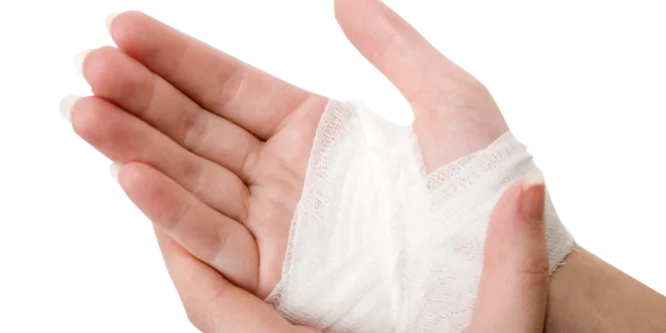
- Cover the burn: After cooling, carefully pat the area dry and cover it loosely with a sterile, non-fluffy dressing. You can use a clean gauze or cloth, or clingfilm (plastic wrap) for larger areas. The wrap should not be tight around a limb. Covering keeps germs out and prevents rubbing on clothing. Do not apply butter, oils, toothpaste, or home remedies to the burn — these can trap heat and cause infection. Clean water is best.
- Ease the pain: Keep your child comfortable. Cold cooling helps with pain. You can give an age-appropriate dose of pain relief (such as paracetamol/acetaminophen) if needed. Comfort and reassure the child.
- Assess severity: If the burn is more than very small, or if it’s on the face, hands, feet, groin, or covering a major joint, you should seek medical attention even after first aid. We discuss below which burns need a doctor’s care.
Remember: A quick response and proper first aid can limit damage. However, scalds from hot liquids can be deceptively deep. So when in doubt, go to a doctor.
When to Seek Medical Help
Take a child to a healthcare provider or emergency department (ED) if:
- The burn is deep (looks white, black, or charred; or if it’s full-thickness).
- The burn covers a large area (bigger than the child’s palm or about 3 inches in diameter) or multiple sites (for example, an entire arm or leg, or a widespread area on the torso).
- The burn is on the face, eyes, hands, feet, buttocks, or genitals . These areas are delicate and often need special care.
- The burn was caused by an unreliable high heat source (like very hot oil, chemicals, or electrical current).
- You cannot cool the burn with water right away (for instance, if it’s covered with clothing that is stuck, or in a location where water is not accessible).
- The child shows any signs of shock : pale or ashen skin, cold sweats, weakness, blurred vision, rapid breathing, or fainting. This is a life-threatening condition requiring emergency care.
- Redness, swelling, increasing pain, or oozing (pus) develops in the burn area in the days following – signs of infection.
- You are uncertain about the severity — it’s always safer to have a doctor examine a burn on a child. Even small burns can lead to infection if untreated.
In Indian context, you may call ambulance (102/108) or go quickly to the nearest hospital. Many burns clinics emphasize that children heal burns better with prompt, professional wound care. Don’t hesitate to seek help — even a minor scald that won’t heal on its own should be evaluated.
Conclusion
Childhood scalds and hot surface burns can often be devastating , but with awareness and simple precautions, most of these injuries are preventable. Remember that the most vulnerable children are those under 5, as they have little sense of danger and very delicate skin. Keep your kitchen and bathroom “kid-safe” zones, use safety devices (thermostats, screens, gates), and maintain vigilance whenever a child is near heat sources.
Regularly scan your home from a little one’s perspective: Is that kettle cord dangling ? Are pot handles within reach ? Is the bath water supervised and below 49°C ? By making these questions part of your routine, you create a safer environment.
Finally, teach children early on about hot vs. cold : for example, have them feel lukewarm and room-temperature items to grasp the difference. Praise them when they listen to safety rules.
Parenting involves managing countless risks each day, and scalds and burns are among the more preventable ones. Your time and effort in keeping hot things away from curious hands will pay off by preventing painful accidents. If a burn ever does occur, remember the basic first aid steps: cool with water, cover, and seek medical advice as needed.
Stay alert and keep kids safe—scalds and burns should never happen to a child under our watch.
About the Author
Written and reviewed by Dr. Amit Agarwal, M.Ch. (Plastic Surgery), Kaya Kriti Plastic Surgery & Dental Clinic, Lucknow. Dr. Agarwal is a board-certified plastic and reconstructive surgeon with extensive experience in treating burn injuries and advising on burn prevention.
Author:amit agarwal
Post navigation
Have a question about this?
Free first consultation with our FRCS-certified surgical team. No obligation. Totally confidential.
Book a consultation