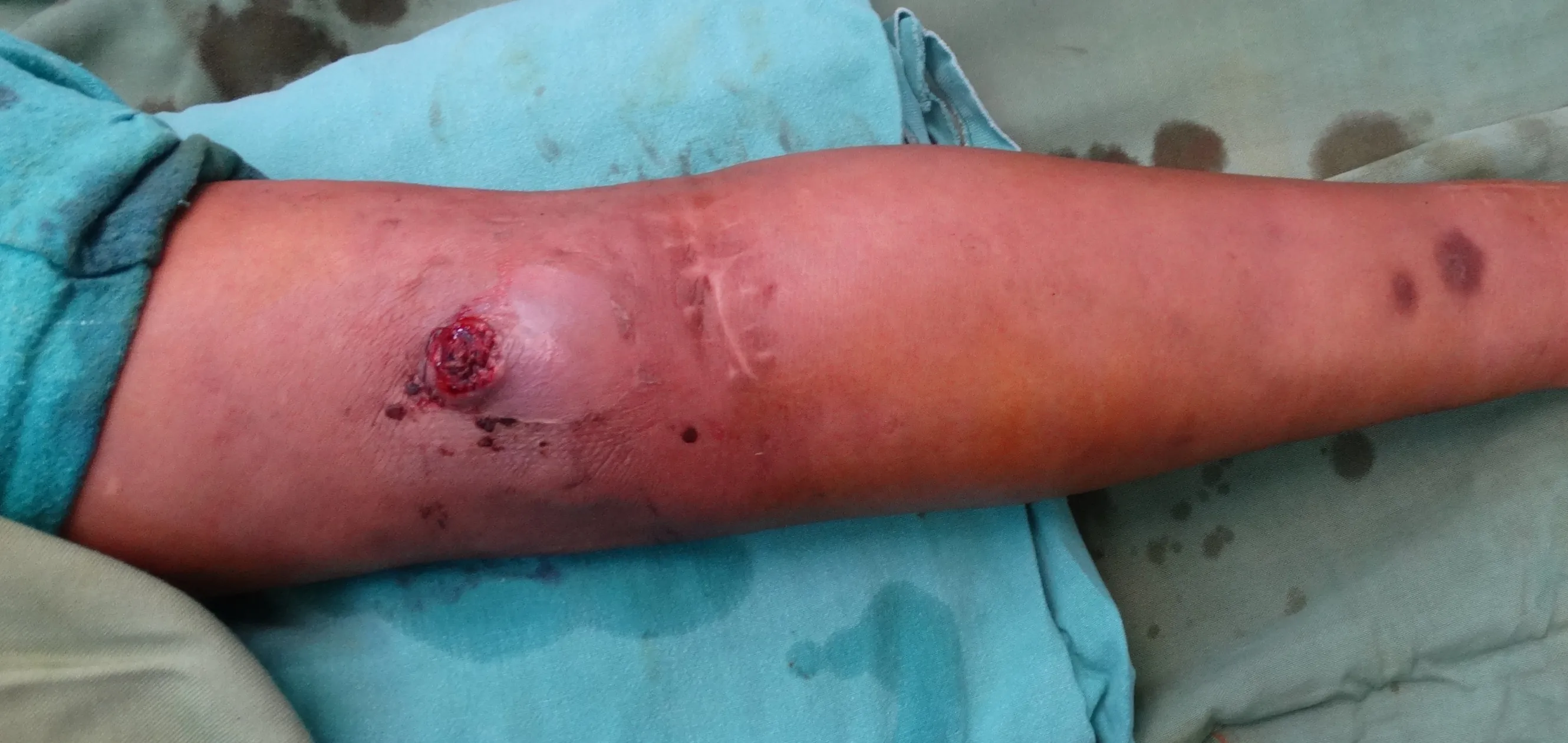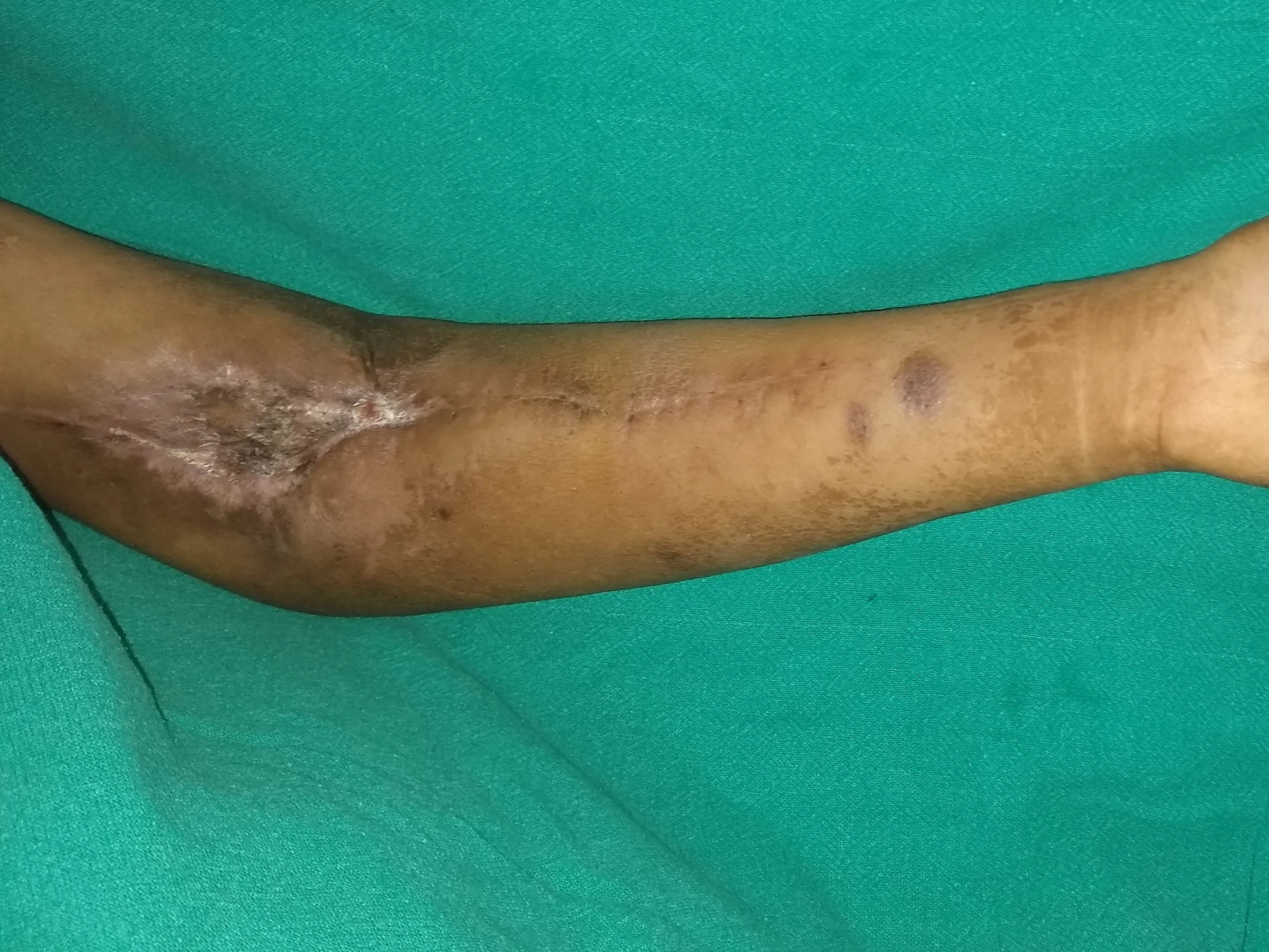
A pseudoaneurysm, also known as a false aneurysm, is a condition where the wall of a blood vessel becomes injured, causing blood to leak into the surrounding tissues under the skin. It is distinct from a true aneurysm, which is characterized by a bulging or weakening of the vessel wall, without any injury or leakage.
Pseudoaneurysms can result from various causes, including:
Repeated Needle Punctures: This is a common cause, particularly in patients undergoing dialysis for kidney failure. Repeated needle punctures in the groin region, such as the femoral artery, can lead to vessel wall injury.
Infection: Infections at the site of catheterization or puncture during dialysis can contribute to the development of pseudoaneurysms.
Orthopedic Surgery: Pseudoaneurysms can also occur as a result of orthopedic surgical procedures.
In a true aneurysm, the vessel wall weakens and bulges without any injury. Blood collects within the bulging area, but there is no leakage from the vessel itself.
In a pseudoaneurysm, blood pools near the damaged site of the vessel due to an injury, creating a false aneurysm that communicates with the artery.
Pseudoaneurysms are frequently found in the following areas:
Groin Region (Femoral Artery): Repeated needle punctures during dialysis in the groin region, especially the femoral artery, can lead to the development of pseudoaneurysms.
Elbow Region (Brachial Artery): Patients undergoing dialysis may develop brachial artery pseudoaneurysms near the arteriovenous (AV) fistula in the arm.
Brachial Artery Pseudoaneurysm: These can occur due to injuries during catheterization for dialysis, such as repeated needle punctures.
Femoral Artery Pseudoaneurysm: Inadequate compression after multiple needle punctures to the femoral artery during dialysis can lead to the formation of pseudoaneurysms. Additionally, patients on dialysis may receive blood-thinning medications, which can increase the risk of bleeding from catheterization sites. Kidney failure patients may also have an inherent defect in blood clot formation, which can contribute to the problem.
Pseudoaneurysms are a cause for concern because they can rapidly expand due to their communication with the artery, potentially leading to rupture, significant bleeding, and even death.
Therefore, prompt treatment is essential after a diagnosis is made.
Color Doppler ultrasound is the primary diagnostic tool for detecting and assessing pseudoaneurysms. It can distinguish pseudoaneurysms from hematomas and confirm the presence of thrombotic masses, aiding in the decision-making for potential surgical correction.
The choice of treatment depends on the size and severity of the pseudoaneurysm:
Pseudoaneurysms Less Than 2 cm: Smaller pseudoaneurysms may resolve on their own after the leakage is sealed and bleeding stops, with periodic ultrasound monitoring.
Pseudoaneurysms Wider Than 2 cm: Larger pseudoaneurysms typically require medical intervention to seal the leakage and repair the damaged blood vessel. Treatment options may include:
Stenting: Placement of a stent in the damaged artery to stop blood from leaking, usually performed by an interventional radiologist.
Compression: Ultrasound-guided compression, where external pressure is applied under ultrasound guidance to stop bleeding from the vessel.
Medication Injection: Ultrasound-guided injection of thrombin, a clot-building medication, to stop further bleeding.
Surgery: In cases of large and rapidly expanding pseudoaneurysms, surgery is the most effective and common treatment option.
Surgery is recommended in the following circumstances:
There is a risk of perforation and ulceration.
The pseudoaneurysm is rapidly enlarging.
Episodes of bleeding occur.
The overlying skin shows signs of inflammation or is unhealthy.
Surgical Procedure:
Surgery for pseudoaneurysms is performed under regional anesthesia. During surgery, the entire pseudoaneurysm is excised, the internal clot is removed, and the damaged blood vessel is repaired, often under microscopic magnification. In some cases, the vessel may need reconstruction using a vein graft.
Are you ready for a consultation?
Your treatment will be performed by board certified plastic surgeon. Schedule your appointment now!
Are you ready for a consultation?
Your treatment will be performed by board certified plastic surgeon. Schedule your appointment now!
A True Devotion to Healing
Where Compassionate Care Meets Advanced Medicine, Guiding You on the Path to Recovery and Well-being.
24/7 Patient Support
We understand that questions and concerns don’t have office hours. That’s why we offer round-the-clock support, ensuring you have access to the care and information you need, whenever you need it.
Premium Quality Materials
We commit to only using the highest-grade materials and the latest technology in your procedures. This commitment is our promise to you for superior outcomes and your utmost satisfaction.
Safety and Hygiene Promise
Your well-being is our top priority. Across our practice, we adhere to stringent safety and hygiene protocols, reassuring you of your safety and comfort at every step of your journey with us.
A Pseudoaneurysm, also known as a false aneurysm, occurs when the wall of a blood vessel is injured, causing blood to leak into surrounding tissues under the skin. It is distinct from a true aneurysm, which results from the bulging or weakening of the vessel wall without injury.
Common causes include trauma, medical procedures, and vascular diseases. Risk factors may include underlying conditions that weaken blood vessel walls, such as atherosclerosis.
Symptoms may include a pulsating mass, pain, or localized swelling. Pseudoaneurysms typically result from a specific injury or medical procedure, while true aneurysms may develop more gradually without a known cause.
Diagnosis involves physical examination, imaging studies, and possibly ultrasound or angiography to determine the size, location, and extent of the Pseudoaneurysm.
Treatment options may include observation, minimally invasive procedures, or surgical repair. The choice of treatment method is determined by factors like size, location, and potential complications.
Complications may include rupture or infection. Timely intervention is essential to prevent these complications and address the Pseudoaneurysm effectively.
Privacy is of utmost importance to us. Rest assured, all your personal and medical information is handled with strict confidentiality.
TRUST
Our Surgeon is highly qualified and internationally certified with a team of skilled staff to perform any surgical or non-surgical treatment on your body.
SAFETY
Safety is our priority. We maintain stringent protocols to ensure a secure environment for all patients and staff members.
Breast augmentation and breast reduction are two very different procedures. Augmentation (breast enlargement) increases breast volume and alters shape, usually for cosmetic or reconstructive goals. Reduction removes breast tissue and skin to make breasts smaller and relieve symptoms. In general, augmentation is chosen by patients who want fuller, more symmetrical breasts (or as reconstruction after…
Rhinoplasty, commonly known as a “nose job,” is a surgical procedure to reshape the nose. It can be performed for cosmetic enhancement of appearance or for functional improvement of breathing (and often both). If you’re medically informed and considering rhinoplasty, it’s important to understand the types of rhinoplasty, what the surgery involves, and how the…
When diet and exercise don’t address certain stubborn fat deposits, liposuction can be a safe and effective solution—when chosen for the right reasons and in the right patient. As a commonly performed body-contouring procedure, liposuction reshapes specific areas of the body rather than serving as a weight-loss method. At Kayakriti Plastic Surgery & Dental Center…