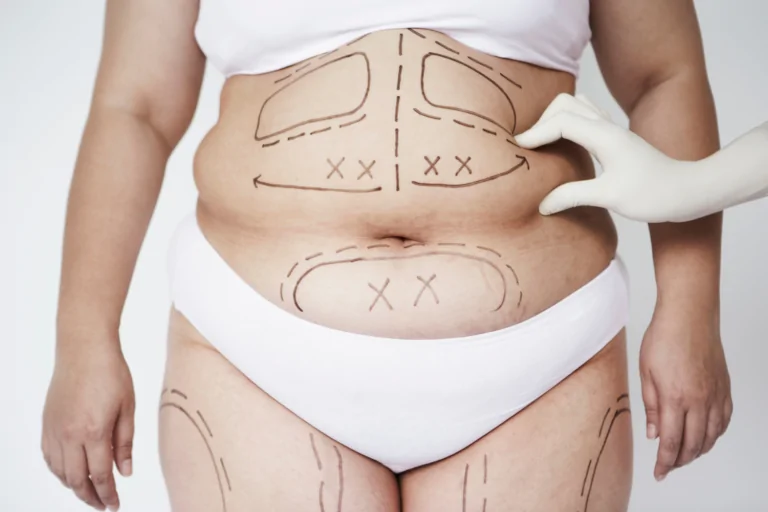
Liposuction is a surgical procedure primarily aimed at body contouring, not weight loss. It reduces localized fat deposits in various parts of the body, providing a leaner silhouette. It’s ideal for individuals, including bodybuilders, athletes, and those slightly overweight, who want to address small to medium areas of fat resistant to diet and exercise.
Unwanted fat deposits can create aesthetically displeasing bulges that resist traditional weight loss methods. In some cases, genetics play a role, making it challenging to lose these fat deposits naturally.
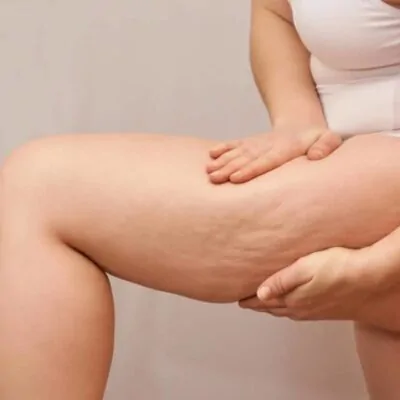
Liposuction can target various areas of the body, including the abdomen, thighs, face, arms, flanks (love handles), hips, and buttocks. In the case of buttocks and thighs, liposuction is a cosmetic surgical procedure to remove excess fat beneath the skin in these regions. It can be combined with abdominoplasty (tummy tuck) or medial thigh lift if loose, sagging skin is present for better results.
When you gain weight, fat cells enlarge. Liposuction reduces the number of fat cells in a specific area. The changes are generally permanent if your weight remains stable. The skin adapts to the new contours of the treated areas, resulting in a smoother appearance. However, it’s important to note that liposuction does not improve cellulite dimpling, other skin surface irregularities, or remove stretch marks.
Liposuction of the buttocks and thighs can be combined with liposuction of other body parts. Dr. Amit Agarwal prioritizes safety in the procedure. If less fat removal is required in other areas, it can be combined with buttocks and thigh liposuction. Otherwise, staging the procedure, and performing it as a second surgery after recovery from the previous one, is preferred.
Individuals with higher BMIs and generalized obesity should not seek liposuction as a weight loss solution. Instead, they should focus on weight loss through diet and exercise before considering liposuction. It’s not recommended for those with a BMI over 40 or over 35 with significant health issues; for such cases, bariatric surgery is a more suitable option.
Wearing a pressure garment to reduce swelling and improve body shape.
Walking on the same or the next day after surgery.
Discharge on the second day after surgery.
Expect swelling and bruising in the treated area, which usually subsides in 3-4 weeks.
Managing pain and soreness with prescribed painkillers.
Gradual return to exercise after 3 weeks.
Continuous wear of the pressure garment for 4-6 months, 24 hours a day.
Return to work depending on individual factors, typically within 3-4 days.
Returning to normal lifestyle within 3-6 days.
Specific post-surgery instructions include caring for the surgical site, attending follow-up appointments, and taking medications or applying creams as advised.
Complications and risks after liposuction vary from person to person and depend on factors like overall health and pre-existing conditions. Possible risks include:
Rare anesthesia-related complications (anesthesia is generally safe).
Seroma formation (accumulation of fluid), which usually resolves on its own.
Infection, typically treatable with antibiotics.
Temporary swelling and bruising.
Poor healing in cases of poor blood supply (more common in smokers or those with certain health conditions).
Irregular contours, correctable with pressure garments.
Change in skin sensation (numbness).
Rare events like deep vein thrombosis, fat embolism, pulmonary or cardiac complications, and lidocaine toxicity (mostly seen in individuals with pre-existing conditions).
If the results do not meet expectations, a revision surgery may be considered.
In conclusion, liposuction of the buttocks and thighs is a cosmetic surgical procedure designed for body contouring. It’s important to follow pre-and post-operative instructions, maintain a healthy lifestyle, and discuss any concerns or questions with your surgeon for a successful outcome.
Choose a Qualified Surgeon: Do your research and select a board-certified plastic surgeon with experience in liposuction procedures.
Follow Your Surgeon’s Advice: Listen to and follow all pre-surgery and post-surgery instructions provided by your surgeon.
Maintain a Healthy Lifestyle: Adopt a balanced diet and exercise regularly to maintain your body shape and avoid the accumulation of unwanted fat in other areas.
Wear Compression Garments: Follow your surgeon’s recommendations regarding the duration and consistency of wearing compression garments to reduce swelling and improve your contour.
Report Complications: If you experience any unusual symptoms or complications after surgery, contact your surgeon immediately.
Don’ts:
Don’t Force Excess Fat Removal: Avoid pushing your surgeon to remove more fat than recommended, as it can lead to complications and irregular contours.
Don’t Hide Medical Conditions: Be honest about any chronic illnesses or health conditions with your surgeon. They need this information to ensure your safety during the procedure.
Don’t Skip Compression Garments: Skipping the recommended use of compression garments can lead to increased swelling and less effective results.
Don’t Smoke Before Surgery: If you are a smoker, quit at least two weeks before the surgery to reduce the risk of complications and promote better healing.
Ready for Your Transformation? Contact Dr. Amit Agarwal Today for Expert Body Plastic Surgery and Reveal Your Best Self!
Are you ready for a consultation?
Your treatment will be performed by board certified plastic surgeon. Schedule your appointment now!
Are you ready for a consultation?
Your treatment will be performed by board certified plastic surgeon. Schedule your appointment now!
A True Devotion to Healing
Where Compassionate Care Meets Advanced Medicine, Guiding You on the Path to Recovery and Well-being.
24/7 Patient Support
We understand that questions and concerns don’t have office hours. That’s why we offer round-the-clock support, ensuring you have access to the care and information you need, whenever you need it.
Premium Quality Materials
We commit to only using the highest-grade materials and the latest technology in your procedures. This commitment is our promise to you for superior outcomes and your utmost satisfaction.
Safety and Hygiene Promise
Your well-being is our top priority. Across our practice, we adhere to stringent safety and hygiene protocols, reassuring you of your safety and comfort at every step of your journey with us.
Ideally, you should be slightly overweight with localized fat deposits in the buttocks and thigh region that are resistant to diet and exercise. Typically, liposuction is performed on individuals with a BMI below 29. However, it can be considered for those with higher BMIs if they have localized fat deposits in these areas.
Typically, you can start exercising again after 3 weeks of surgery, but it depends on your individual healing process and your surgeon’s recommendations.
During the procedure, you will not feel any pain due to anesthesia. However, there may be some pain and swelling during the recovery process, which can be managed with prescribed pain medications.
While quitting smoking is advisable for overall health, it’s highly recommended to stop smoking at least two weeks before surgery to minimize the risk of complications.
Privacy is of utmost importance to us. Rest assured, all your personal and medical information is handled with strict confidentiality.
TRUST
Our Surgeon is highly qualified and internationally certified with a team of skilled staff to perform any surgical or non-surgical treatment on your body.
SAFETY
Safety is our priority. We maintain stringent protocols to ensure a secure environment for all patients and staff members.
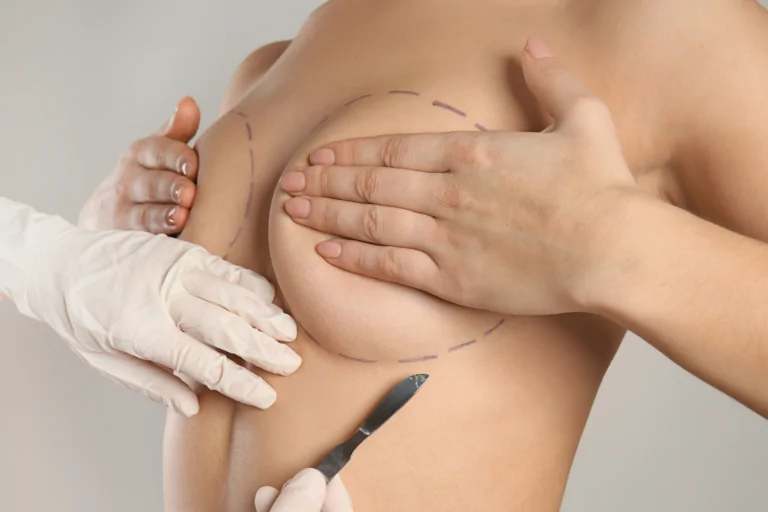
Breast augmentation and breast reduction are two very different procedures. Augmentation (breast enlargement) increases breast volume and alters shape, usually for cosmetic or reconstructive goals. Reduction removes breast tissue and skin to make breasts smaller and relieve symptoms. In general, augmentation is chosen by patients who want fuller, more symmetrical breasts (or as reconstruction after…
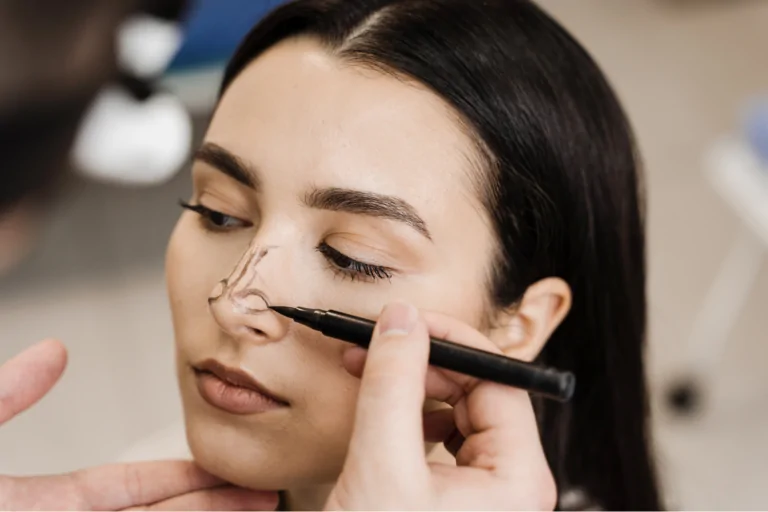
Rhinoplasty, commonly known as a “nose job,” is a surgical procedure to reshape the nose. It can be performed for cosmetic enhancement of appearance or for functional improvement of breathing (and often both). If you’re medically informed and considering rhinoplasty, it’s important to understand the types of rhinoplasty, what the surgery involves, and how the…
When diet and exercise don’t address certain stubborn fat deposits, liposuction can be a safe and effective solution—when chosen for the right reasons and in the right patient. As a commonly performed body-contouring procedure, liposuction reshapes specific areas of the body rather than serving as a weight-loss method. At Kayakriti Plastic Surgery & Dental Center…