Gender reassignment treatment, which includes psychotherapy, hormonal therapy, and surgery, has been demonstrated as the most effective treatment for individuals affected by gender dysphoria (formerly known as gender identity disorder). Gender dysphoria is a condition in which a person experiences a significant incongruence between their biological sex and their gender identity. It is important to note that gender dysphoria is not a mental illness, although it was erroneously classified as such in the past.
Gender dysphoria, also known as transgenderism, involves a person feeling that their biological sex doesn’t align with their gender identity. It’s crucial to understand that gender dysphoria is not a mental illness.
People with gender dysphoria have various treatment options, including counseling, hormone therapy, and sex change surgeries. However, not all transgender individuals desire or require sex change surgery. Some may only need counseling or hormone therapy, while others choose to undergo surgery. It’s essential to recognize that sex change surgery is irreversible, so anyone considering this procedure, specifically transitioning from female to male, should carefully weigh their decision.
Sex change surgery is a series of complex procedures, both genital and non-genital, aimed at alleviating gender dysphoria. In female-to-male sex reassignment surgery, the goal is to reshape female genitalia into a form that resembles, both in appearance and function, male genitalia.
Hormone therapy is a crucial component of the female-to-male transition. It involves the administration of male hormones, like testosterone, orally or through injections. Hormone therapy plays a significant role in changing physical characteristics to align more closely with a male appearance. For some individuals, hormone therapy alone is sufficient to alleviate gender dysphoria, eliminating the need for sex change surgery or immediate social transition.
Gender reassignment surgery for female-to-male individuals comprises core genital procedures, such as uterine and ovarian removal, phallus reconstruction (phalloplasty), and scrotal reconstruction. These procedures are complemented by non-genital surgeries, including breast removal and facial and body masculinization surgeries, which collectively complete the transformation.
The surgery process for female-to-male individuals is highly individualized and may include the following non-genital procedures:
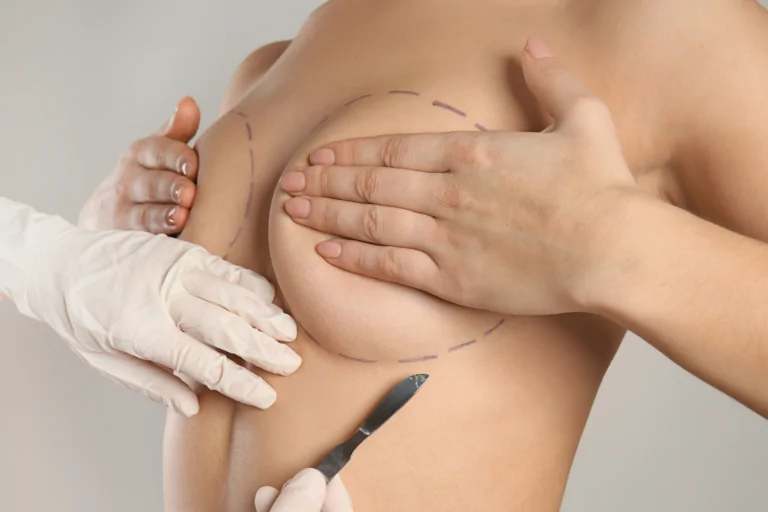
Breast Removal: This is often the first surgical choice for many transmen, as it yields immediate and satisfying results. Mastectomy, or breast removal, is a common and safe procedure that may also involve altering nipple and areola size and shape.
Facial Masculinization Surgery: This procedure aims to give the face a more chiseled and masculine appearance. It may include forehead lengthening, male rhinoplasty, chin recontouring, jaw contouring, and thyroid cartilage enhancement (Adam’s Apple surgery). The surgical plan is tailored to each individual’s goals.
Body Masculinization Surgery: Designed for transmen seeking a more masculine body contour, this surgery targets areas of fat storage that may not respond to hormones and exercise. Liposuction is used to achieve a more masculine physique by reducing fat in areas like the flanks, inner and outer thighs, upper body, chest, back, and buttocks.
Voice Masculinization Surgery: Some individuals may choose voice surgery to alter their vocal range or pitch. This procedure is performed by an ENT specialist, but it carries a risk of permanent voice impairment. Alternative options like voice lessons are available for those seeking more masculine speech patterns.
Genital surgeries for female-to-male individuals involve two distinct procedures:
Removing Female Sex Organs (Uterus and Ovaries): This procedure, known as hysterectomy and bilateral salpingo-oophorectomy, is advised if the patient is willing to remove these organs or if menstruation persists after testosterone therapy. Removing the ovaries reduces the need for male hormones.
Creating Male Genitals: Creating male genitals involves multiple steps, and it’s essential to communicate your expectations clearly with your surgeon. Techniques may include penile reconstruction with flap techniques and metoidioplasty, both of which have unique considerations and potential outcomes.
It’s vital to be aware of potential risks and complications associated with female-to-male sex reassignment surgery, which can vary depending on the specific procedures. These may include:
Anesthesia-related risks
Swelling, bruising, or seroma formation
Infection
Bleeding or hematoma
Poor wound healing
Numbness or altered skin sensation
Scarring
Deep vein thrombosis or cardiac complications in individuals with pre-existing conditions
The possibility of revision surgery
Complications in Penile Reconstruction
*These and other risks and possible complications should be discussed by you with Dr.Amit in detail before the procedure.
Ready for Your Transformation? Contact Dr. Amit Agarwal Today for Expert Sex Change Plastic Surgery and Reveal Your Best Self!
Are you ready for a consultation?
Your treatment will be performed by board certified plastic surgeon. Schedule your appointment now!
Are you ready for a consultation?
Your treatment will be performed by board certified plastic surgeon. Schedule your appointment now!
A True Devotion to Healing
Where Compassionate Care Meets Advanced Medicine, Guiding You on the Path to Recovery and Well-being.
24/7 Patient Support
We understand that questions and concerns don’t have office hours. That’s why we offer round-the-clock support, ensuring you have access to the care and information you need, whenever you need it.
Premium Quality Materials
We commit to only using the highest-grade materials and the latest technology in your procedures. This commitment is our promise to you for superior outcomes and your utmost satisfaction.
Safety and Hygiene Promise
Your well-being is our top priority. Across our practice, we adhere to stringent safety and hygiene protocols, reassuring you of your safety and comfort at every step of your journey with us.
Many transgender individuals choose to undergo fertility preservation before their gender affirmation surgery if having biological children is part of their long-term goals.
This procedure is performed under general anesthesia. During the procedure, you will not feel any pain but there may be some pain and swelling during the recovery process.
Quitting smoking is a perfect solution even without surgery as it involves many health risks, but it’s totally up to your wish whether you want to quit or not. But you should surely stop smoking at least 2 months before the surgery.
Research has shown that transgender individuals who choose gender-affirming surgery experience long-term mental health benefits. In one study, a person’s odds of needing mental health treatment declined by 8% each year after the gender-affirming procedure.
Privacy is of utmost importance to us. Rest assured, all your personal and medical information is handled with strict confidentiality.
TRUST
Our Surgeon is highly qualified and internationally certified with a team of skilled staff to perform any surgical or non-surgical treatment on your body.
SAFETY
Safety is our priority. We maintain stringent protocols to ensure a secure environment for all patients and staff members.
Breast augmentation and breast reduction are two very different procedures. Augmentation (breast enlargement) increases breast volume and alters shape, usually for cosmetic or reconstructive goals. Reduction removes breast tissue and skin to make breasts smaller and relieve symptoms. In general, augmentation is chosen by patients who want fuller, more symmetrical breasts (or as reconstruction after…
Rhinoplasty, commonly known as a “nose job,” is a surgical procedure to reshape the nose. It can be performed for cosmetic enhancement of appearance or for functional improvement of breathing (and often both). If you’re medically informed and considering rhinoplasty, it’s important to understand the types of rhinoplasty, what the surgery involves, and how the…
When diet and exercise don’t address certain stubborn fat deposits, liposuction can be a safe and effective solution—when chosen for the right reasons and in the right patient. As a commonly performed body-contouring procedure, liposuction reshapes specific areas of the body rather than serving as a weight-loss method. At Kayakriti Plastic Surgery & Dental Center…