Lymphoedema can be a side effect of the treatment of cancer.
During surgery for cancer, nearby lymph nodes are removed and during radiation therapy, lymphatics are destroyed. Both of them alone or in combination in a susceptible patient can disrupt the flow of lymph which leads to lymphedema in the arm or leg.
People who do develop lymphedema do so within two to three years after their surgery, but it is important to note that the risk remains over a person’s lifetime and increases with trauma or injury to a limb.
Also, some people can develop lymphedema even when lymph nodes are not removed if the lymphatic system in the skin is injured from extensive surgery or from radiation therapy.
Often during breast cancer surgery, some or all lymph nodes are removed from the arm. Added damage to the lymphatics is done by postoperative radiation therapy because of which there is a higher risk of lymphedema in breast cancer survivor patients.
Physical examination and history give a clue about the diagnosis
Lymphoscintigraphy– Here a radioactive dye is injected into the lymphatics and then scanned by a probe to know and delineate the flow of lymph through the lymphatic vessels to diagnose the obstruction of lymphatics.
Incorporate aerobic exercise and weightlifting into your routine
When possible, steer clear of skin-penetrating medical procedures in the affected limb
Seek prompt medical attention if concerning symptoms emerge in the affected limb.
Contact your doctor if the affected arm or leg develops a rash; becomes red, blistered, painful, or warm to the touch; or if you get a fever (temperature greater than 100.4ºF or 38ºC).
There are 2 surgical procedures that can treat lymphedema in post-cancer patients in the initial phases.
1. Free vascularized lymph node transfer: Superficial lymph nodes are harvested from the neck with an artery and vein and microsurgical anastomosis to a recipient artery and vein after tissue release at the wrist region.
a) Advantage of recruitment of healthy vascularized tissue.
b) Challenging and technically demanding procedure.
c) Post-op period with initial rigorous monitoring and maintenance of position by the patient.
d) Subjective improvement was reported by 100% of patients with 78% being able to discontinue compression therapy.
2. Lympho-venous bypass: In this procedure, the blocked lymphatics are connected to the veins.
a) Super-microsurgical technique to anastomose distal subdermal lymphatic vessels and adjacent venules <0.8mm.
b) Minimally invasive, minimal pain, discharged within 24 hours.
c) Challenging and technically demanding procedure.
If the extremity is severely deformed or is in an advanced stage of lymphoedema,then debulking procedureswill help in reducing the severity of the disease. EXCISIONAL procedures or LIPOSUCTION of the arm can be done.
At Kayakriti, we specialize in advanced techniques and are staffed with experienced professionals who ensure patients with lymphoedema receive optimal care and treatment.
Furthermore, our minimally invasive lymph-venous bypass procedures are associated with minimal discomfort and rapid recovery. Dr. Amit Agarwal, a specialist in these treatments, aids patients in regaining their quality of life after cancer-related lymphoedema.
Are you ready for a consultation?
Your treatment will be performed by board certified plastic surgeon. Schedule your appointment now!
Are you ready for a consultation?
Your treatment will be performed by board certified plastic surgeon. Schedule your appointment now!
A True Devotion to Healing
Where Compassionate Care Meets Advanced Medicine, Guiding You on the Path to Recovery and Well-being.
24/7 Patient Support
We understand that questions and concerns don’t have office hours. That’s why we offer round-the-clock support, ensuring you have access to the care and information you need, whenever you need it.
Premium Quality Materials
We commit to only using the highest-grade materials and the latest technology in your procedures. This commitment is our promise to you for superior outcomes and your utmost satisfaction.
Safety and Hygiene Promise
Your well-being is our top priority. Across our practice, we adhere to stringent safety and hygiene protocols, reassuring you of your safety and comfort at every step of your journey with us.
Lymphedema is a condition characterized by swelling in certain parts of the body due to the accumulation of lymphatic fluid. It can occur as a result of cancer treatment, such as surgery or radiation, and is often a concern in post-cancer care.
Lymphedema after cancer treatment is primarily caused by damage to the lymphatic system during surgery or radiation therapy. Contributing factors may involve the type of cancer, the extent of treatment, and individual predisposition.
Symptoms of Lymphedema may include swelling, discomfort, and reduced mobility in the affected area. It can have a significant impact on an individual’s physical and emotional well-being.
Diagnosis typically involves a clinical evaluation and medical history, along with measurements of the affected area. Imaging studies and lymphoscintigraphy may be used to assess the lymphatic system.
Management of Lymphedema often involves techniques such as manual lymphatic drainage, compression therapy, and physical therapy. In some cases, surgical interventions or advanced therapies may be recommended.
Kayakriti Clinic specializes in Lymphedema management, offering a range of treatment options and a patient-centric approach. Their comprehensive care focuses on improving the quality of life for individuals after cancer treatment.
Privacy is of utmost importance to us. Rest assured, all your personal and medical information is handled with strict confidentiality.
TRUST
Our Surgeon is highly qualified and internationally certified with a team of skilled staff to perform any surgical or non-surgical treatment on your body.
SAFETY
Safety is our priority. We maintain stringent protocols to ensure a secure environment for all patients and staff members.
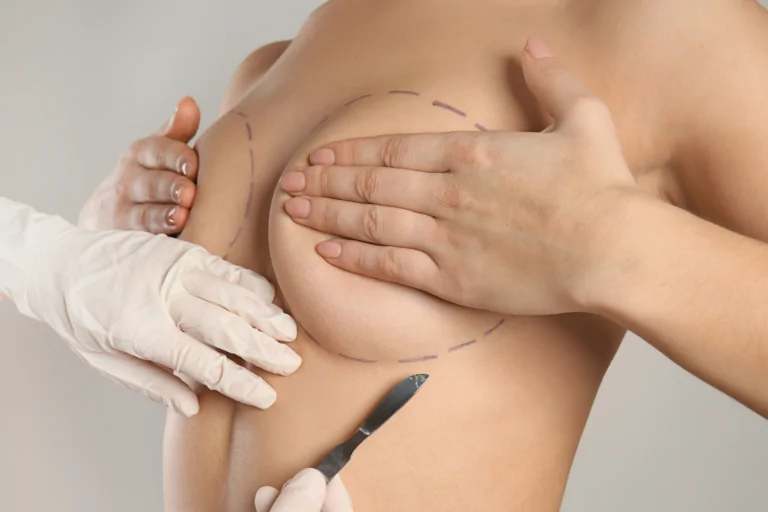
Breast augmentation and breast reduction are two very different procedures. Augmentation (breast enlargement) increases breast volume and alters shape, usually for cosmetic or reconstructive goals. Reduction removes breast tissue and skin to make breasts smaller and relieve symptoms. In general, augmentation is chosen by patients who want fuller, more symmetrical breasts (or as reconstruction after…
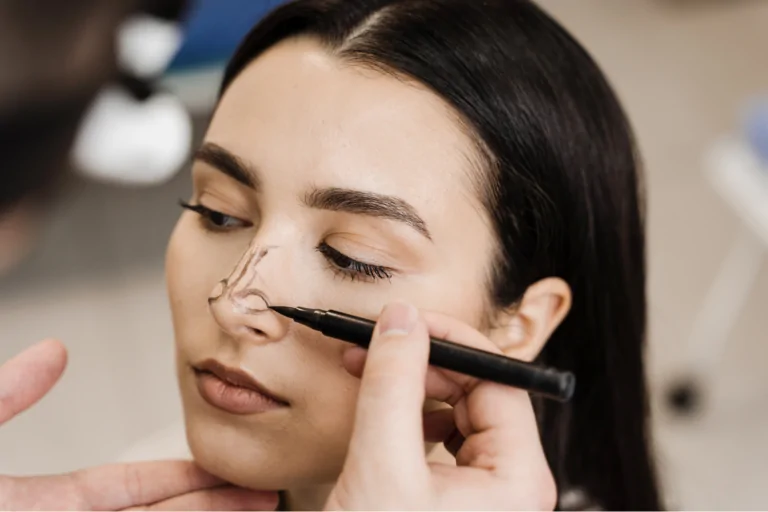
Rhinoplasty, commonly known as a “nose job,” is a surgical procedure to reshape the nose. It can be performed for cosmetic enhancement of appearance or for functional improvement of breathing (and often both). If you’re medically informed and considering rhinoplasty, it’s important to understand the types of rhinoplasty, what the surgery involves, and how the…
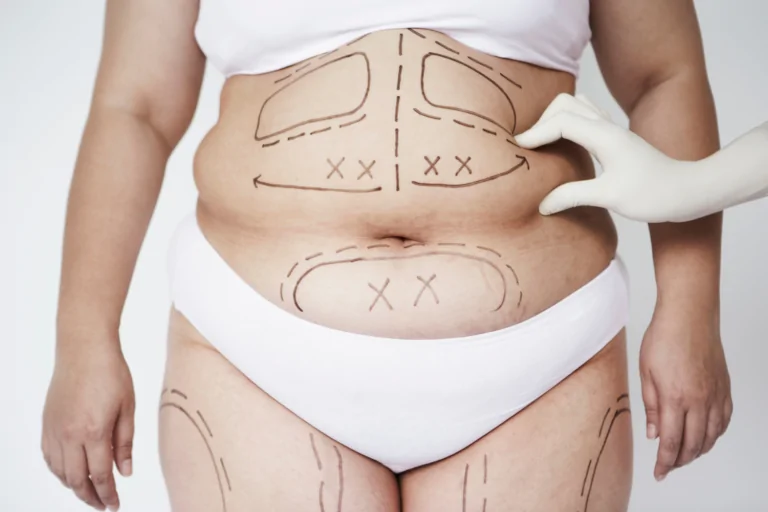
When diet and exercise don’t address certain stubborn fat deposits, liposuction can be a safe and effective solution—when chosen for the right reasons and in the right patient. As a commonly performed body-contouring procedure, liposuction reshapes specific areas of the body rather than serving as a weight-loss method. At Kayakriti Plastic Surgery & Dental Center…




 People who do develop lymphedema do so within two to three years after their surgery, but it is important to note that the risk remains over a person’s lifetime and increases with trauma or injury to a limb.