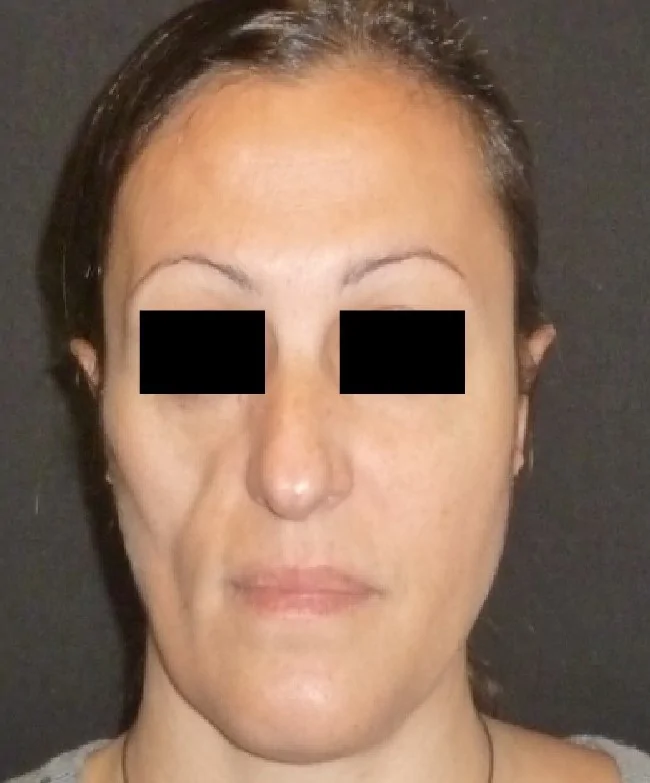
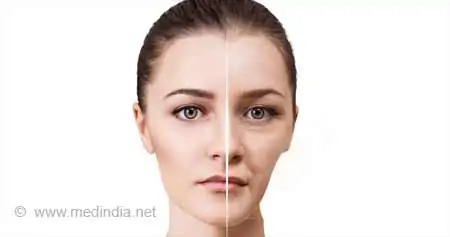
Hemifacial atrophy, also known as Romberg Syndrome, is a rare condition characterized by the progressive shrinking of the skin and soft tissues on one-half of the face. This condition results in a sunken appearance and typically affects only one side of the face, though occasionally, it may also impact the limbs on the same side. Hemifacial atrophy develops slowly and is considered a rare disorder.
Romberg syndrome usually becomes noticeable during the first decade of life or early in the second decade, with most individuals experiencing symptoms before the age of 20. The progression of the disease can continue for many years and then stabilize, with the severity varying among affected individuals.
The exact cause of Hemifacial Atrophy is unknown, and it appears to occur randomly in individuals. However, several factors have been suggested as possible contributors to the condition, including:
Abnormal development or inflammation in the nervous system.
Hemifacial Atrophy is typically diagnosed based on characteristic features and physical examination. The following diagnostic criteria are often considered:
The presence of a white line or furrow on one side of the face is known as the “coup de Sabre” sign.
Facial atrophy on the affected side.
In some cases, an MRI of the brain may be performed if there are fits/epilepsy or other neurological symptoms.
An eye examination should be conducted to rule out any abnormalities.
Skin biopsy may be performed from the area of the white line if present.
There is no medical treatment or medication available to halt or reverse the progression of Hemifacial Atrophy. Surgical intervention is the primary option for addressing this condition.
Three types of surgical procedures can be performed for Hemifacial Atrophy, depending on the extent and severity of the condition:
Fat Grafting:
This technique is suitable for treating mild and smaller asymmetries of the face caused by Hemifacial Atrophy.
a) Fat grafting can be done under local anesthesia or general anesthesia depending upon your choice and comfort level.
b) In the first step, liposuction is done to harvest healthy fat from another area of the body (usually the belly, thighs, or buttocks).
c) This fat is then purified, processed, and prepared for grafting.
d) A fine needle and cannula are used to inject the healthy fat into those areas of the face that have signs of deformity.
e) To account for the body’s natural reabsorption of the injected fat, overcorrection is done (more fat than required is injected).
The face is gently massaged to ensure the fat is evenly distributed, addressing your initial goals for the procedure
Fat grafting done in stages gives good and acceptable results in severe deformities of hemifacial atrophy. But the procedure has to be repeated 2 to 3 times, 3 to 6 months apart to match with the opposite face. Fat grafting is the best solution if cosmesis is the main concern with no extra scar elsewhere on the body.
Microvascular Free Flaps: In cases where the skin is too tight and shrunken for fat grafting to be effective, microvascular free tissue transfer is considered. This procedure involves harvesting a flap of tissue, usually from the back of the thigh, along with its artery and vein. The flap is then transferred to the face, reshaped, and secured in place. Blood vessels are connected to vessels at the recipient site.
Bony Corrections: Correction of bone deformities can be achieved through osteotomies (cutting and repositioning of bones). For instance, if the orbit is distorted, vertical repositioning of the orbit or placement of a bone graft on the orbital floor may be performed.
Dr. Amit Agarwal typically prefers fat grafting as the primary technique for correcting Hemifacial Atrophy. This method is favored for its cosmetically pleasing results and avoids the scarring associated with flap surgery. However, flap microsurgical reconstruction is reserved for cases of severe deformities where patients are not suitable candidates for multiple staged fat grafting or have experienced failure with fat grafting.
For individuals with Hemifacial Atrophy seeking treatment, consultation with Dr. Amit Agarwal is essential. The choice of treatment technique and approach will be determined based on the specific characteristics and severity of the condition, ensuring the best possible outcome for the patient.
Are you ready for a consultation?
Your treatment will be performed by board certified plastic surgeon. Schedule your appointment now!
Are you ready for a consultation?
Your treatment will be performed by board certified plastic surgeon. Schedule your appointment now!
A True Devotion to Healing
Where Compassionate Care Meets Advanced Medicine, Guiding You on the Path to Recovery and Well-being.
24/7 Patient Support
We understand that questions and concerns don’t have office hours. That’s why we offer round-the-clock support, ensuring you have access to the care and information you need, whenever you need it.
Premium Quality Materials
We commit to only using the highest-grade materials and the latest technology in your procedures. This commitment is our promise to you for superior outcomes and your utmost satisfaction.
Safety and Hygiene Promise
Your well-being is our top priority. Across our practice, we adhere to stringent safety and hygiene protocols, reassuring you of your safety and comfort at every step of your journey with us.
Hemifacial Atrophy is a rare condition characterized by the gradual wasting away of facial tissues on one side of the face. The exact cause is often unknown, but it may be related to autoimmune factors or trauma.
Hemifacial Atrophy results in facial asymmetry, with one side of the face appearing smaller or sunken compared to the other side. Other symptoms may include changes in skin pigmentation and the loss of underlying fat and muscle tissue.
Diagnosis involves a clinical examination and assessment of facial changes. Imaging studies like CT scans or MRI may be used to evaluate the extent of tissue loss.
Treatment options may include cosmetic procedures such as dermal fillers or fat grafting to restore facial volume, and in some cases, surgical interventions to correct asymmetry.
Kayakriti Clinic specializes in Hemifacial Atrophy management with a focus on restoring facial symmetry and aesthetics. Their approach includes a team of experts experienced in addressing this rare condition.
Privacy is of utmost importance to us. Rest assured, all your personal and medical information is handled with strict confidentiality.
TRUST
Our Surgeon is highly qualified and internationally certified with a team of skilled staff to perform any surgical or non-surgical treatment on your body.
SAFETY
Safety is our priority. We maintain stringent protocols to ensure a secure environment for all patients and staff members.
Breast augmentation and breast reduction are two very different procedures. Augmentation (breast enlargement) increases breast volume and alters shape, usually for cosmetic or reconstructive goals. Reduction removes breast tissue and skin to make breasts smaller and relieve symptoms. In general, augmentation is chosen by patients who want fuller, more symmetrical breasts (or as reconstruction after…
Rhinoplasty, commonly known as a “nose job,” is a surgical procedure to reshape the nose. It can be performed for cosmetic enhancement of appearance or for functional improvement of breathing (and often both). If you’re medically informed and considering rhinoplasty, it’s important to understand the types of rhinoplasty, what the surgery involves, and how the…
When diet and exercise don’t address certain stubborn fat deposits, liposuction can be a safe and effective solution—when chosen for the right reasons and in the right patient. As a commonly performed body-contouring procedure, liposuction reshapes specific areas of the body rather than serving as a weight-loss method. At Kayakriti Plastic Surgery & Dental Center…